What follows are short stories from three companies I helped build. I
started one myself, joined one as a partner, and came into the third as
its first engineer. Each pushed me into a different kind of problem, and
the lessons that came out of them are still the ones I reach for when
something hard lands on my desk today.
Startup · 01
Space Campers
2020 – 2026 · Founder · San Luis Obispo, CA
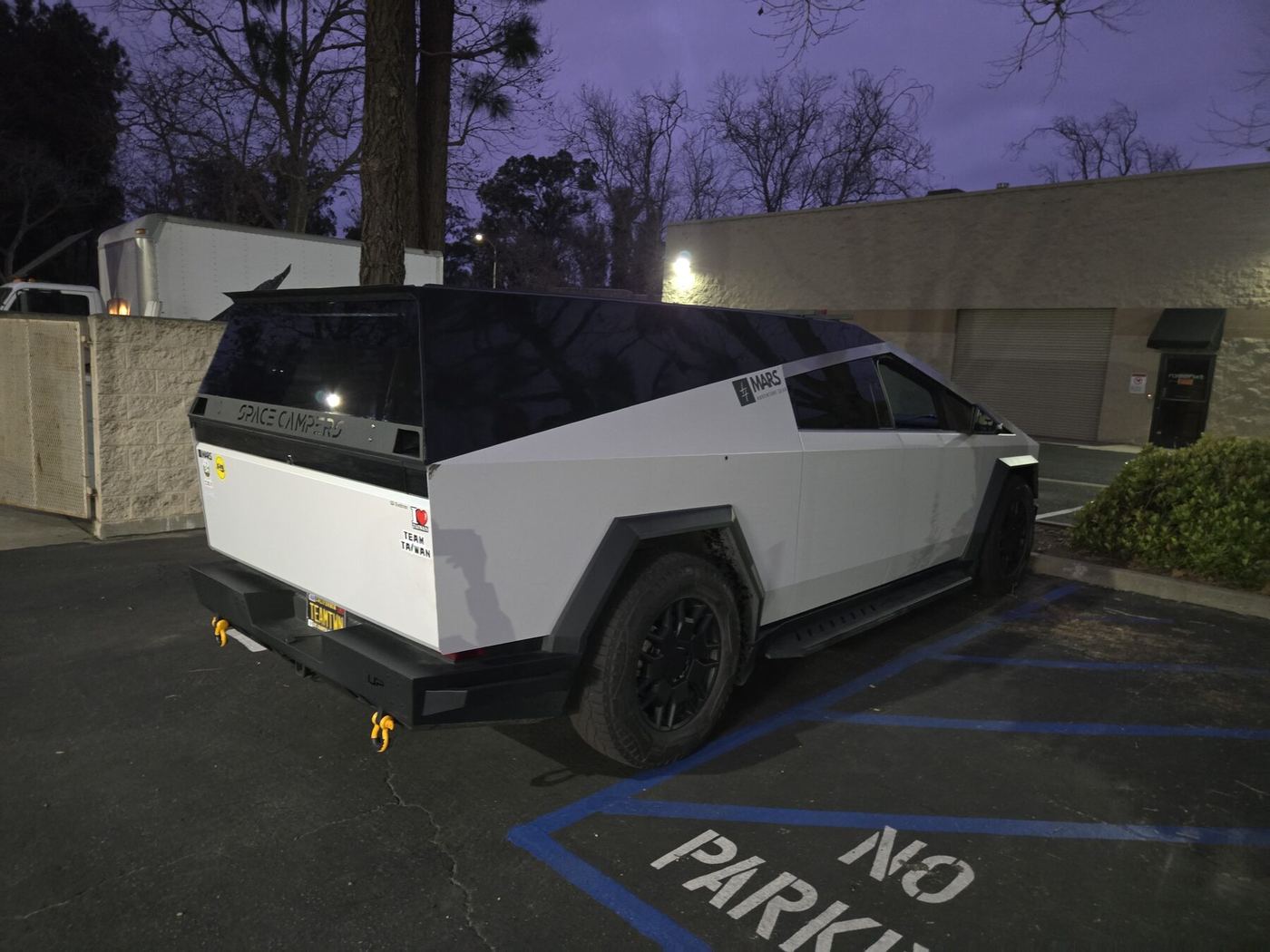
I started Space Campers in 2020, not long after Tesla announced the
Cybertruck. Building a business on a vehicle that did not exist yet was
an uncertain bet, and it stayed uncertain for six years. I say we for
most of what follows because I mean it. A marketing lead who made people
care about this thing, a business partner who went all in, and a lot of
hands in between. Here's how it went, and why it ended.
The Opportunity
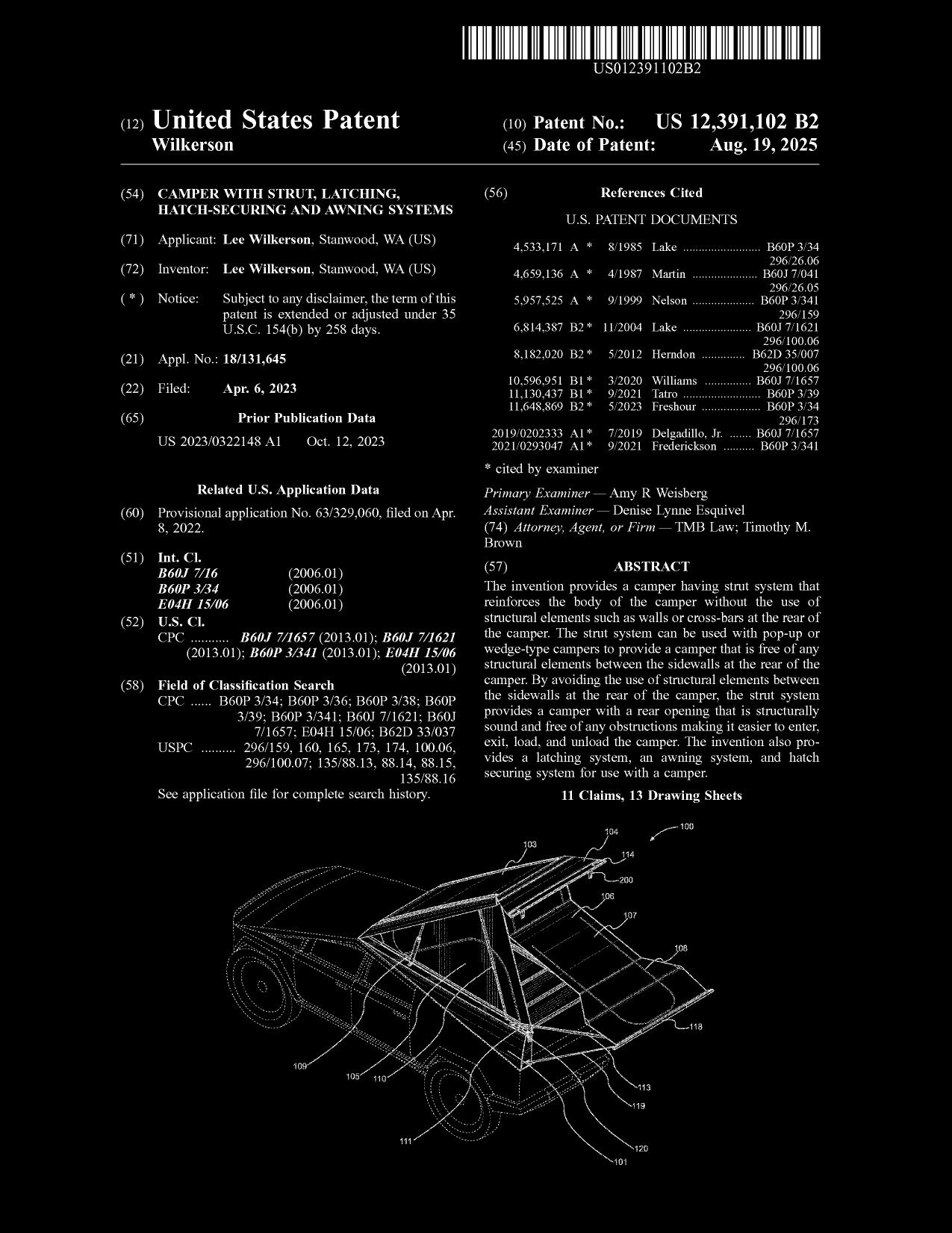
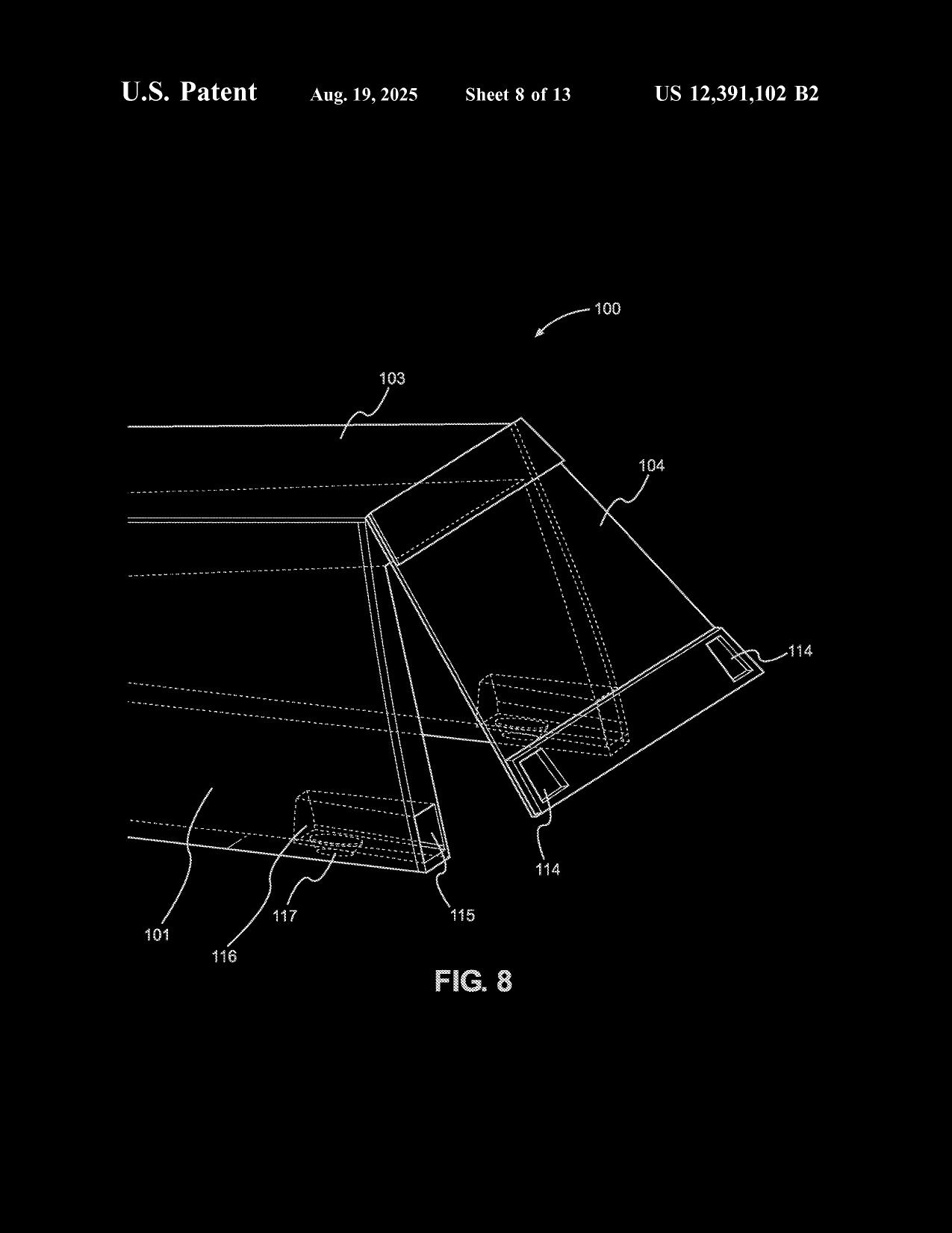
Going after the Cybertruck wasn't just about the shape working well for
a shell, it was strategic. A genuinely new geometry meant we could
patent it early and effectively corner the market for that specific
look before anyone else moved. The Cybertruck's subtle curvature and
unique geometry also meant existing truck shell and camper companies
couldn't just adapt their existing tooling, they'd have to start from
scratch, which bought us time as a specialized new entrant.
Our Strategy
Tesla was also at the peak of its popularity, everyone wanted in on
anything Tesla-adjacent, and we knew a well-built product in that
space had real potential to go viral. Riding that attention was the
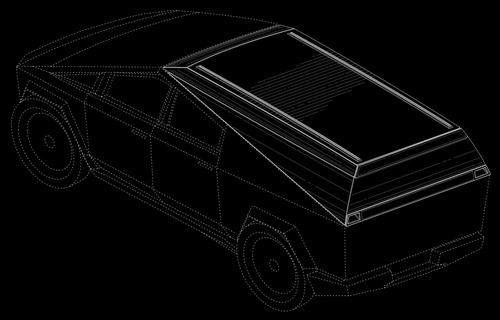
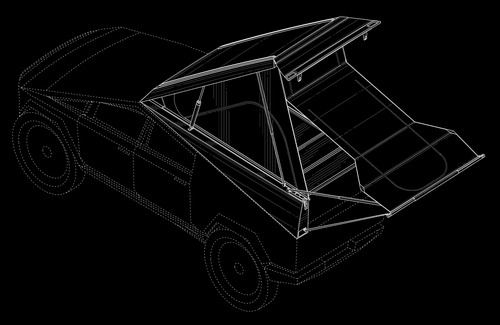
whole strategy. We did the CAD design work, built a website, and
opened presales for the wedge camper at a hundred dollars a
reservation. More than 500 people signed up, representing about
$12.5 million in potential orders, and a press release around the
launch landed major headlines too.
Tesla Delays
We were ready to chase a real seed round on that presale momentum. Then
Tesla delayed the truck by at least two more years. We'd put in too
much to walk away, so we raised a small pre-seed instead, about
$100,000 from friends and family, and decided to stay relevant by
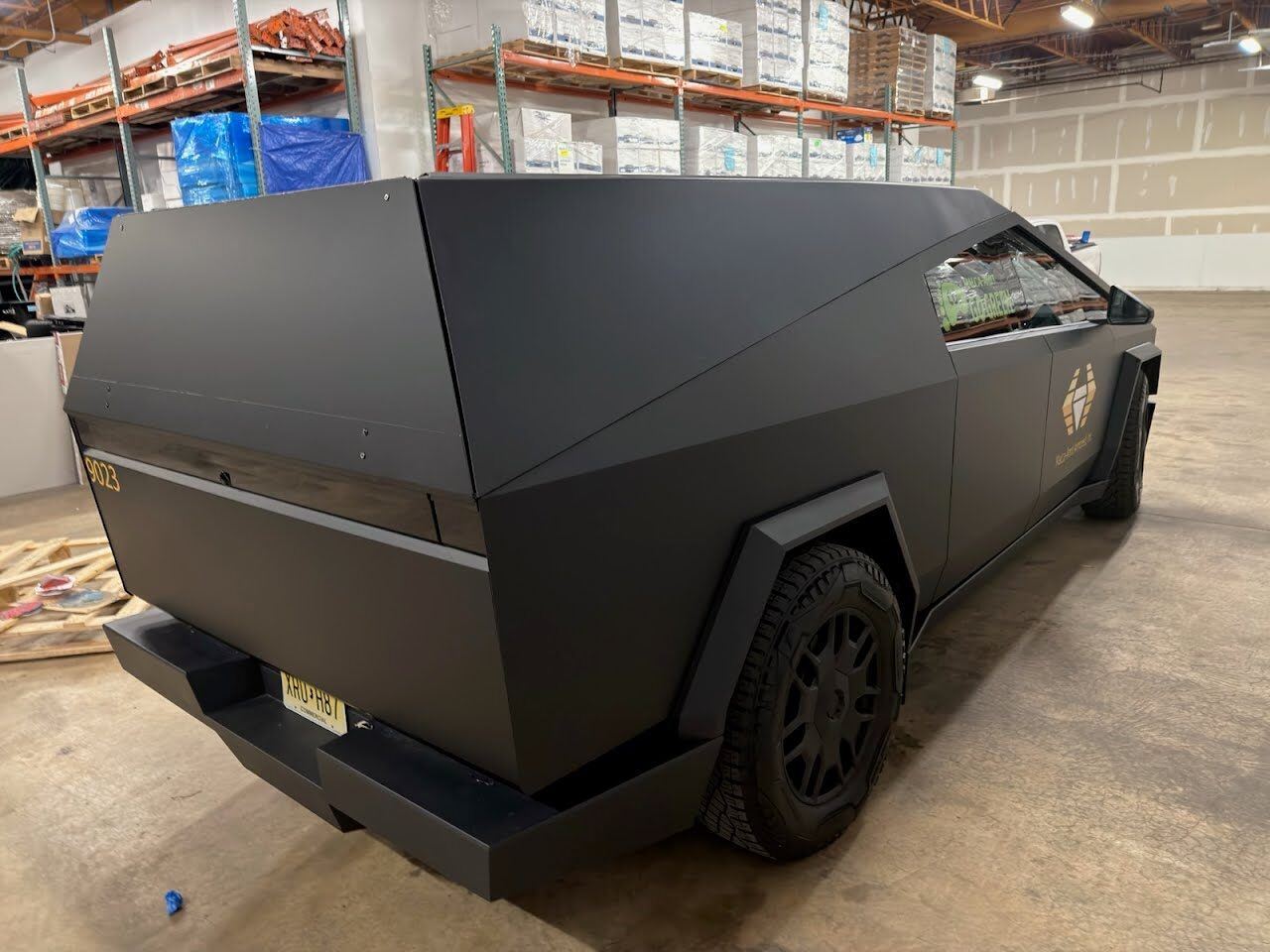
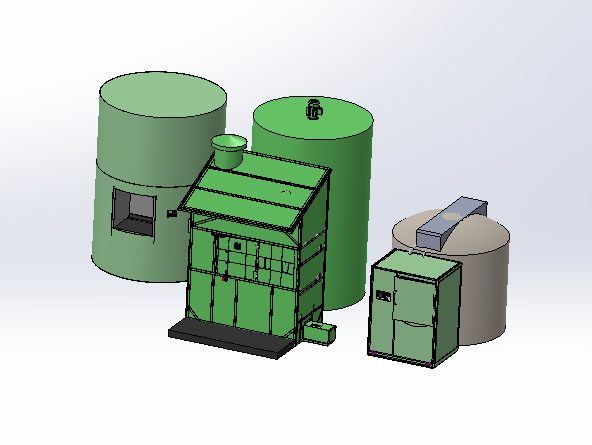
building a full prototype ourselves, a wedge camper mounted on a mock
Cybertruck we built from scratch, set on a trailer, meant to fuel a
stronger seed round once the truck got closer to shipping.
Marketing the Prototype
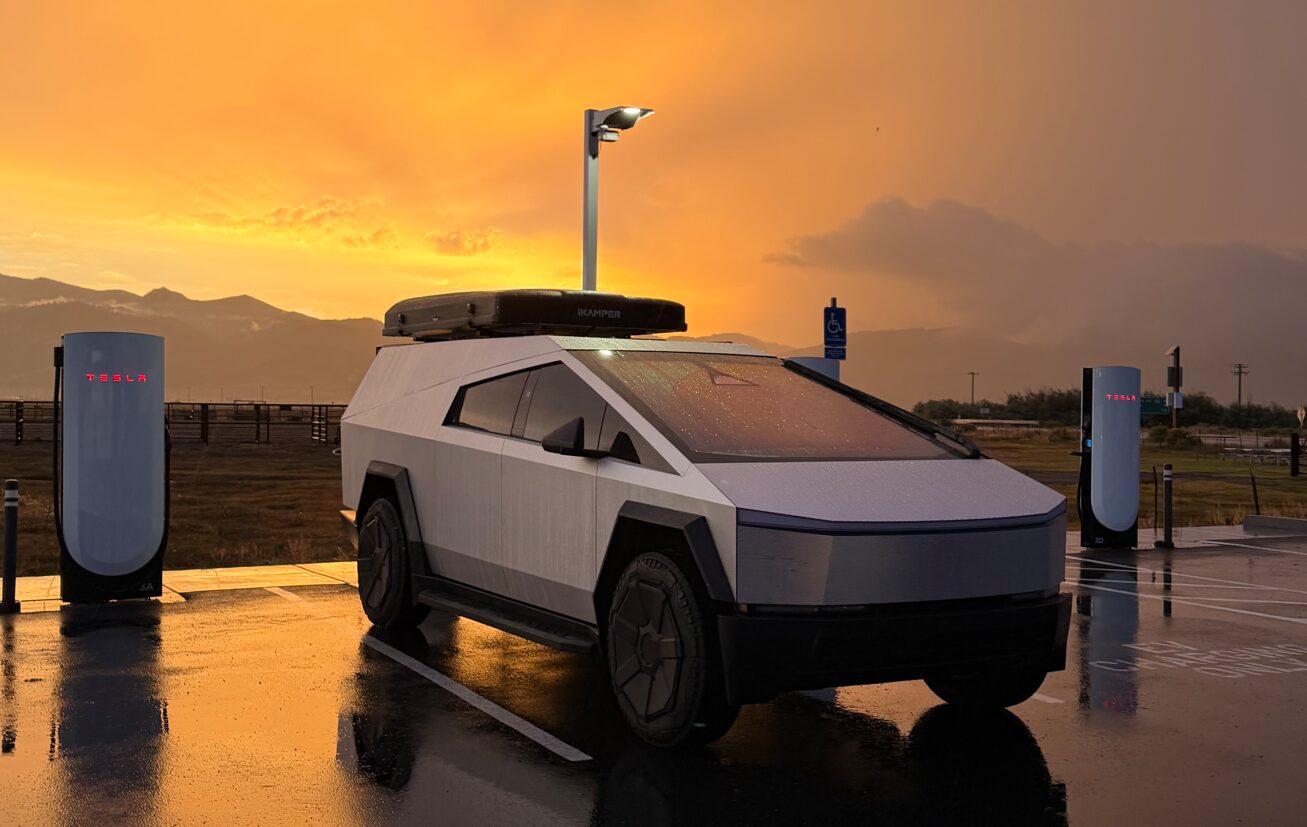
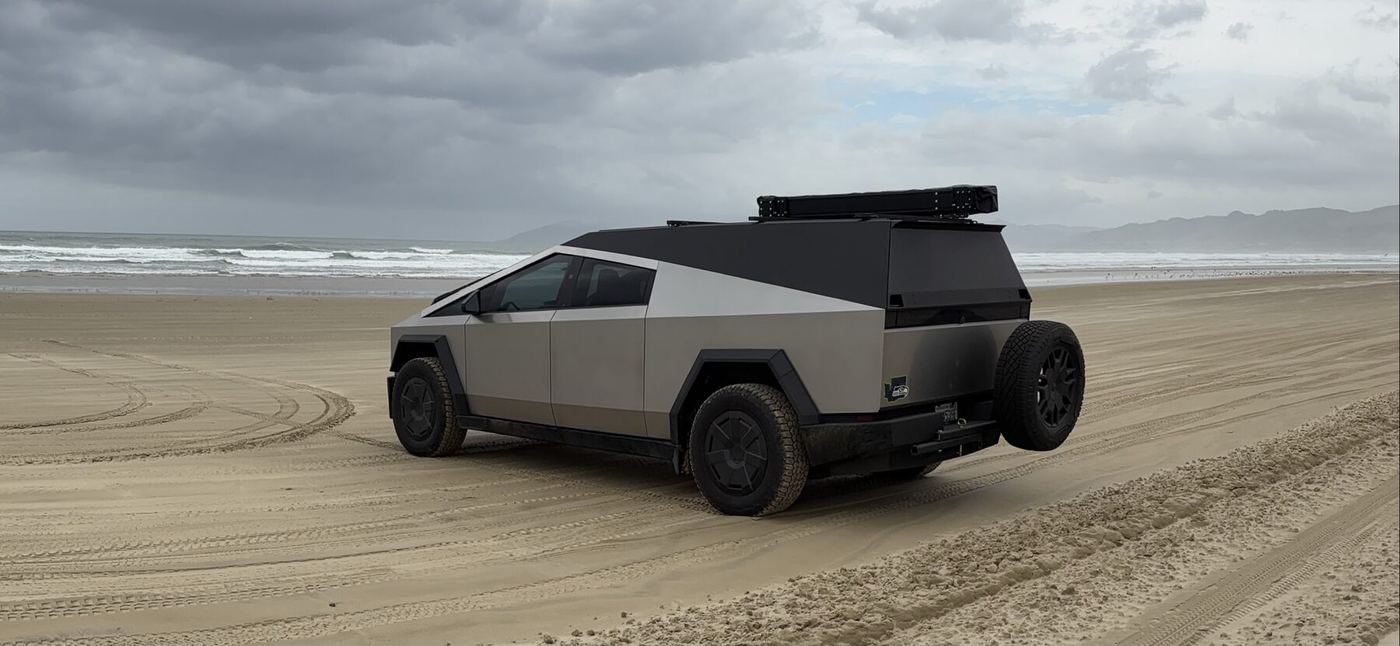
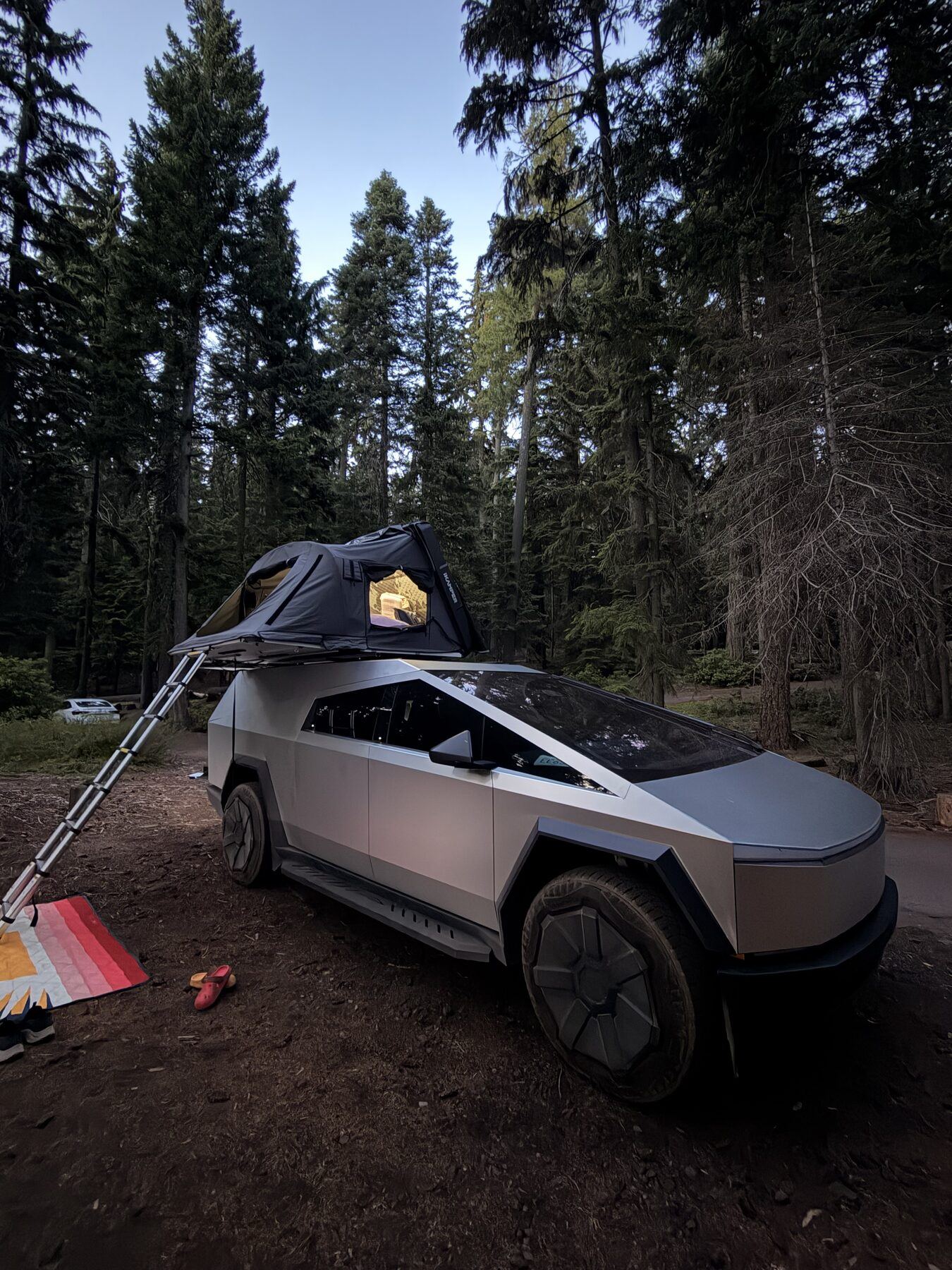
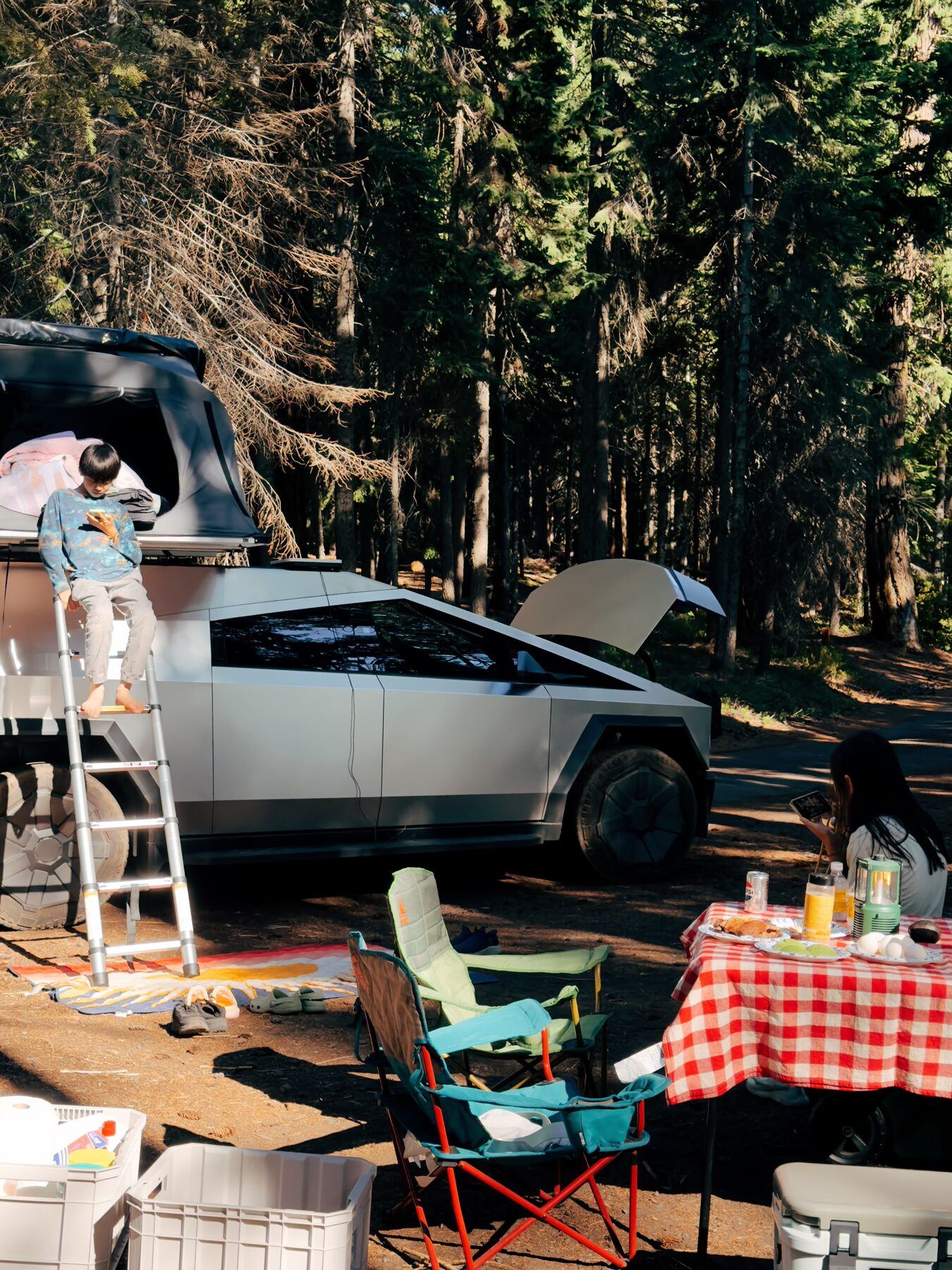
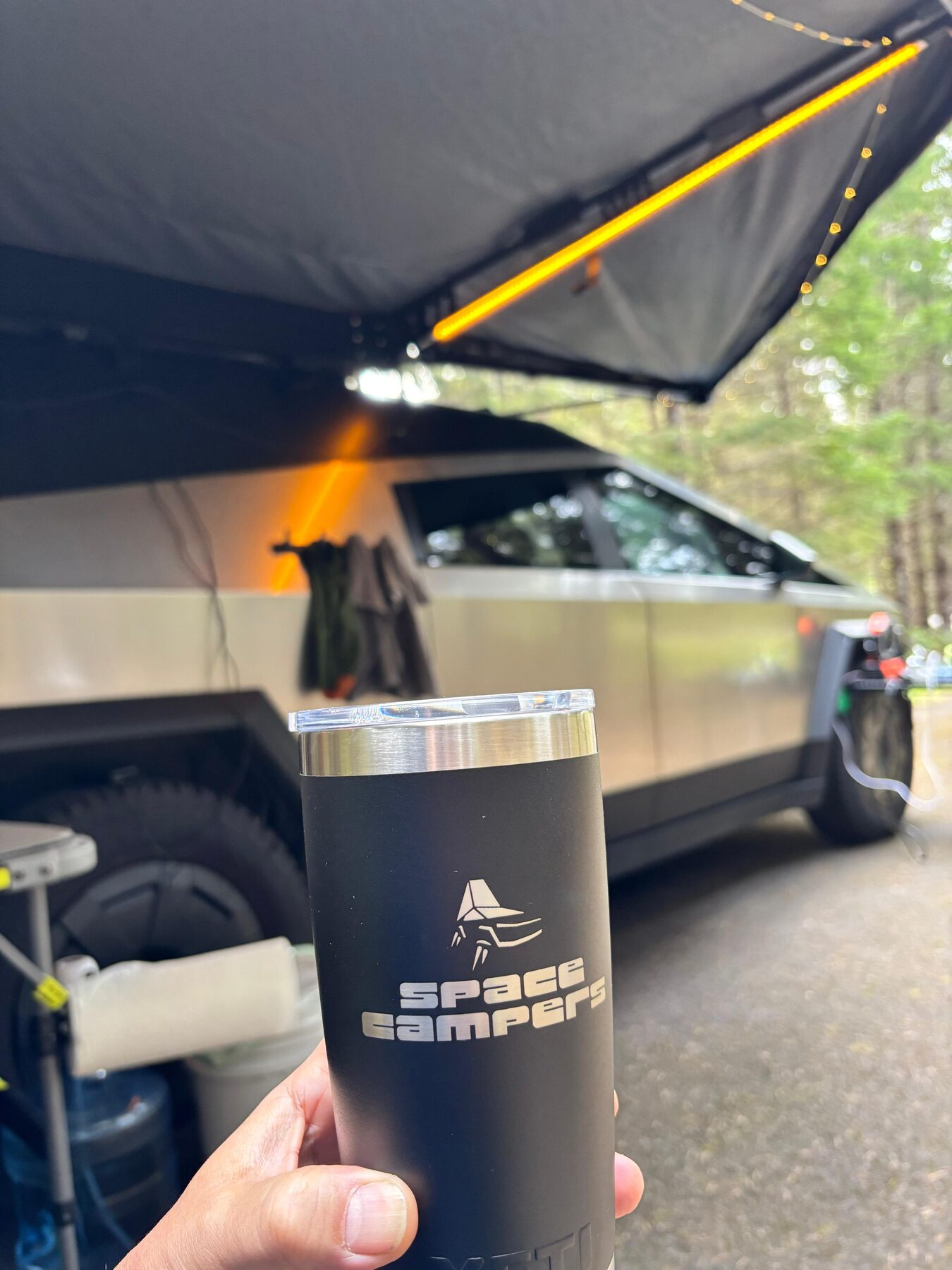
Once it was built, we put the prototype to work, hauling the trailer
to outdoor settings for good light and shooting photos to push
presales further. It wasn't just about pretty pictures, it was proof.
Anyone can render a camper in CAD, but a real one on a real truck
shape showed customers and investors we could actually build what we
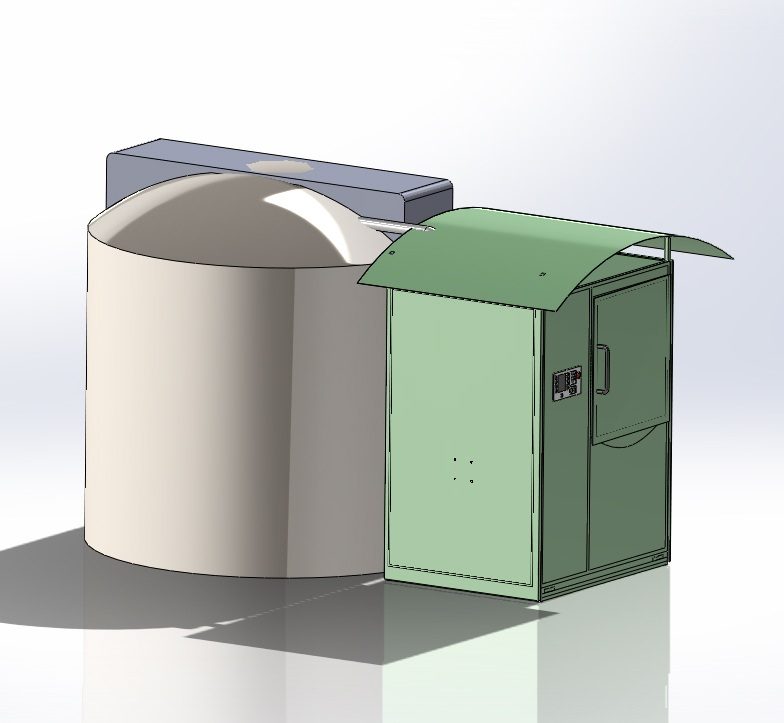
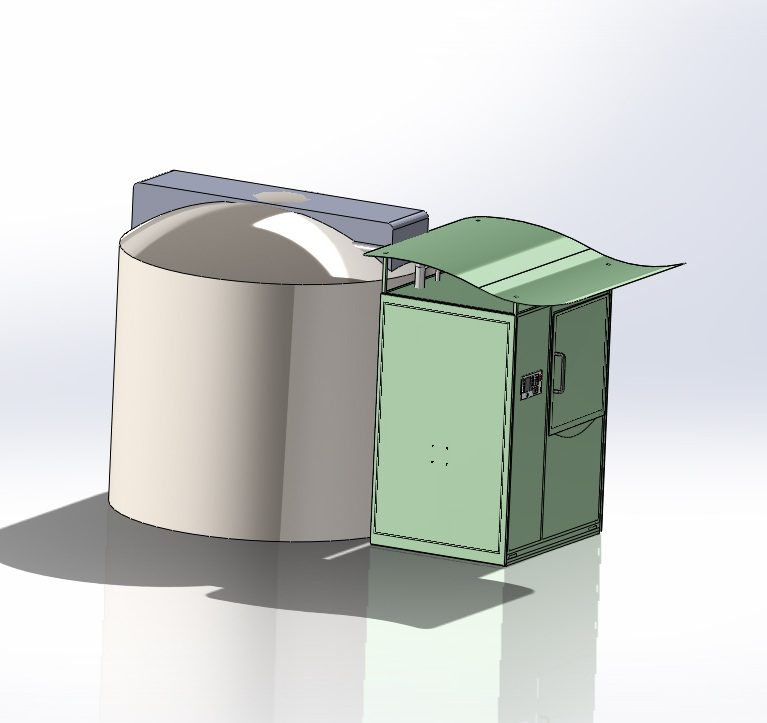
designed, not just draw it. We added SolidWorks Visualize renders for
polish, then camped in it ourselves and updated the design based on
what we learned.
Back to Investors
The marketing push worked. Interest surged, and we took that energy
into another fundraising run, crowdfunding, angel investors, VCs,
and plenty of cold outreach. We learned one on one meetings created
more friction than they were worth, so we sent a pitch deck video
instead. Interest kept building as the release date got closer, and
we had plenty of investors on the hook. But after all the delays,
most wanted to wait for launch day before committing any money.
When Elon Turned Political
Then the ground shifted under us. Elon Musk became a political
lightning rod, and Tesla got pulled into the fight with him.
Investors who'd been waiting on launch day started backing out,
some because they didn't want their name near Elon, others because
the brand risk felt too high regardless of politics. With our
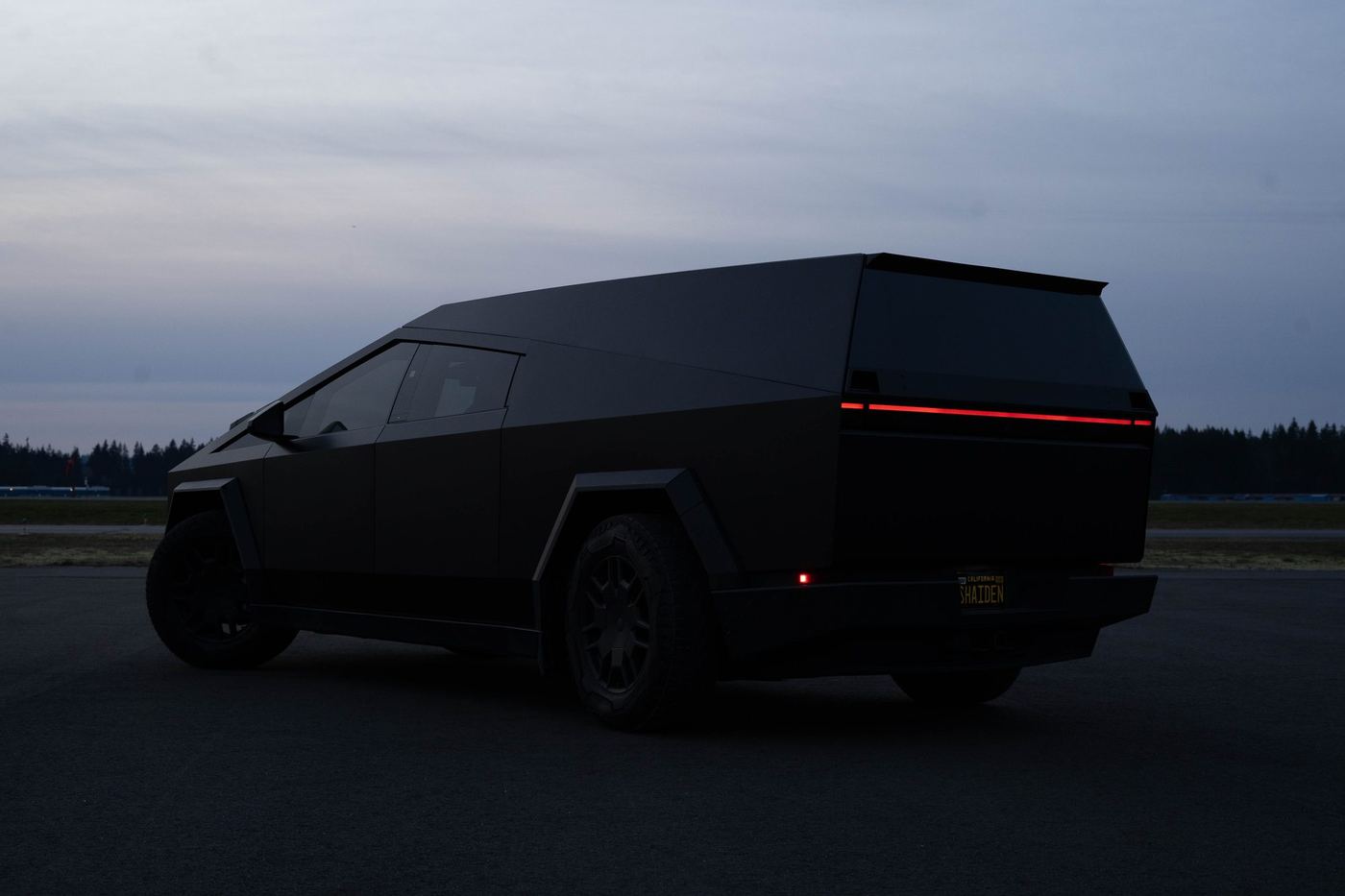
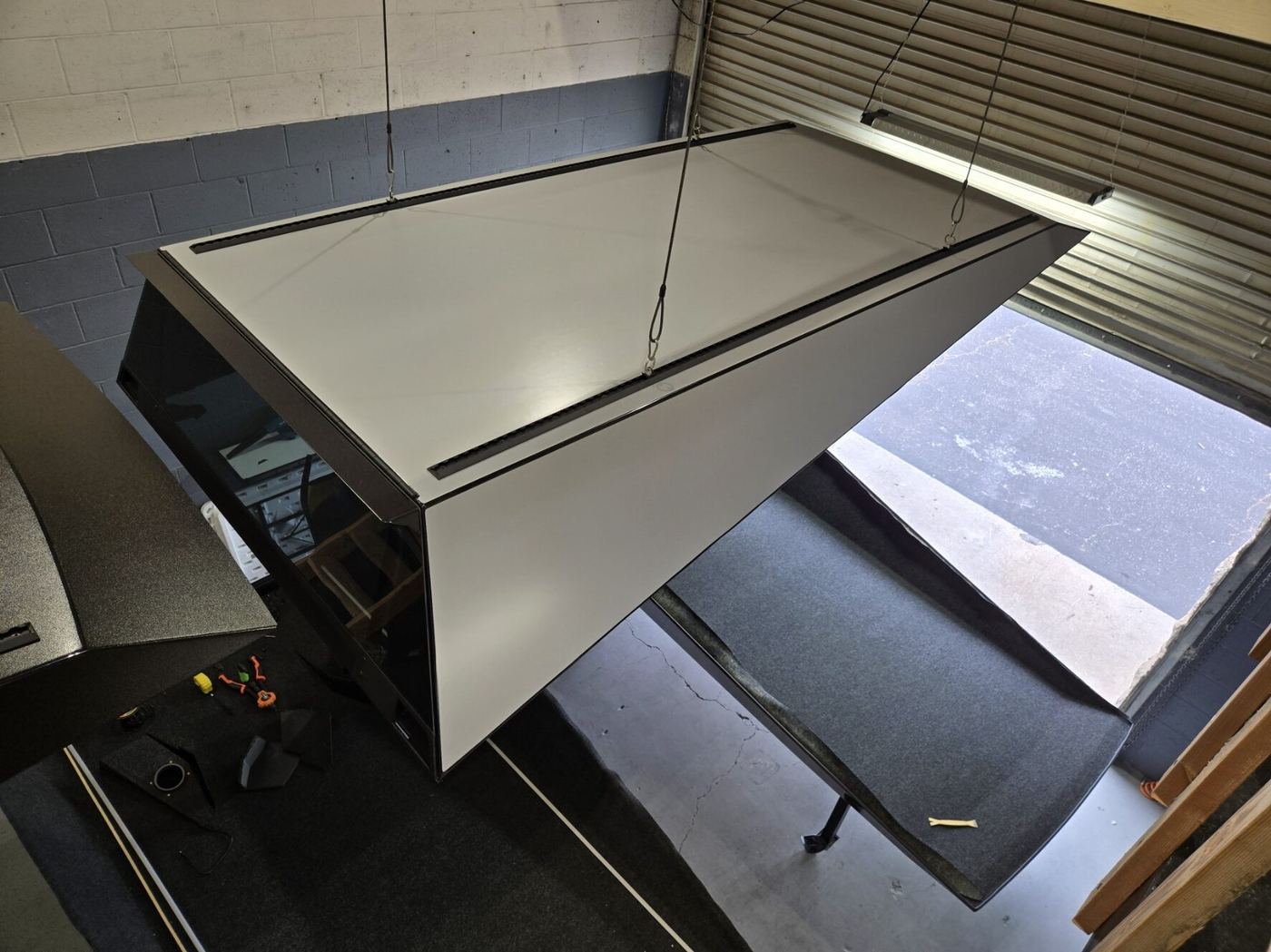
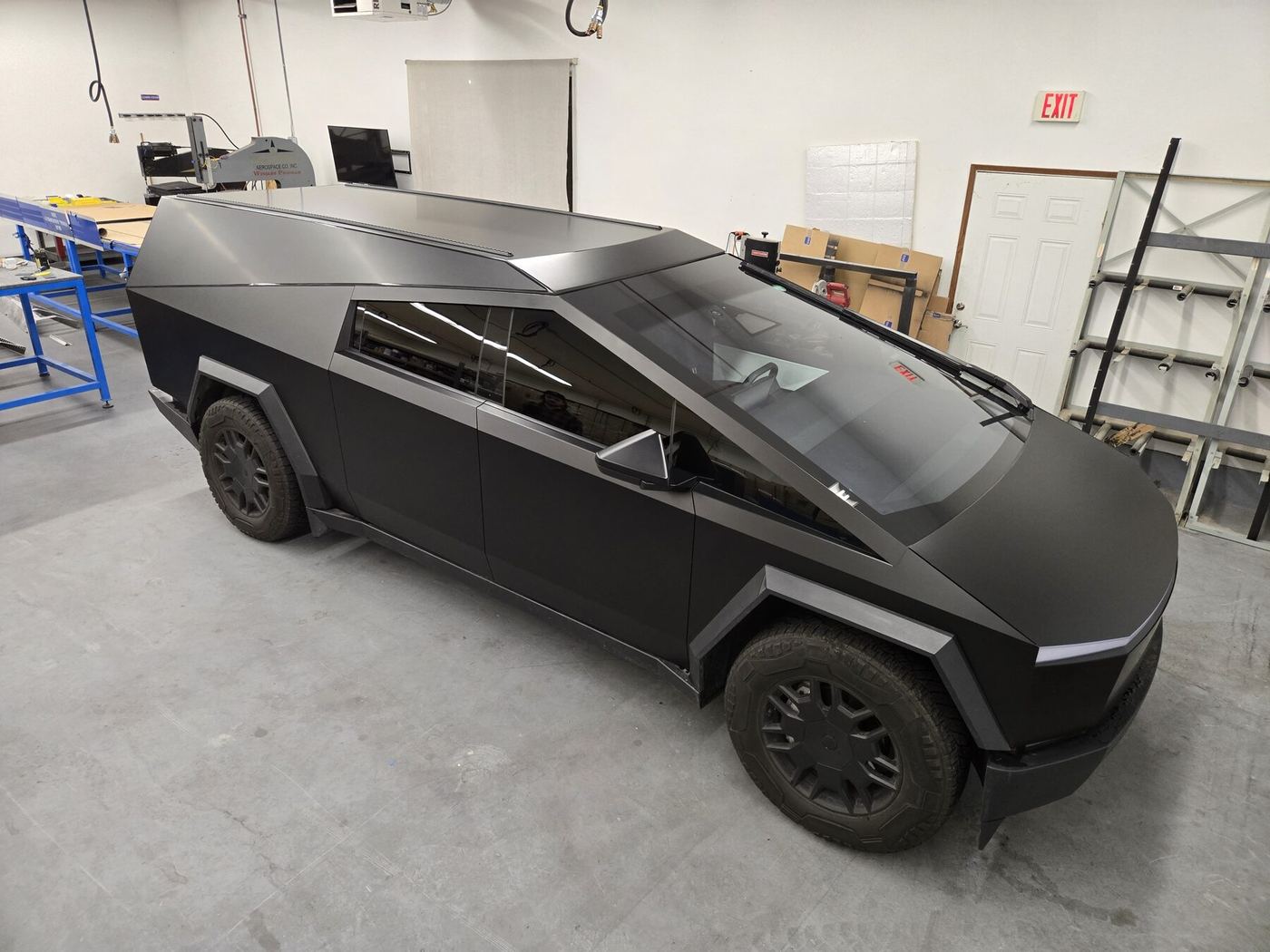
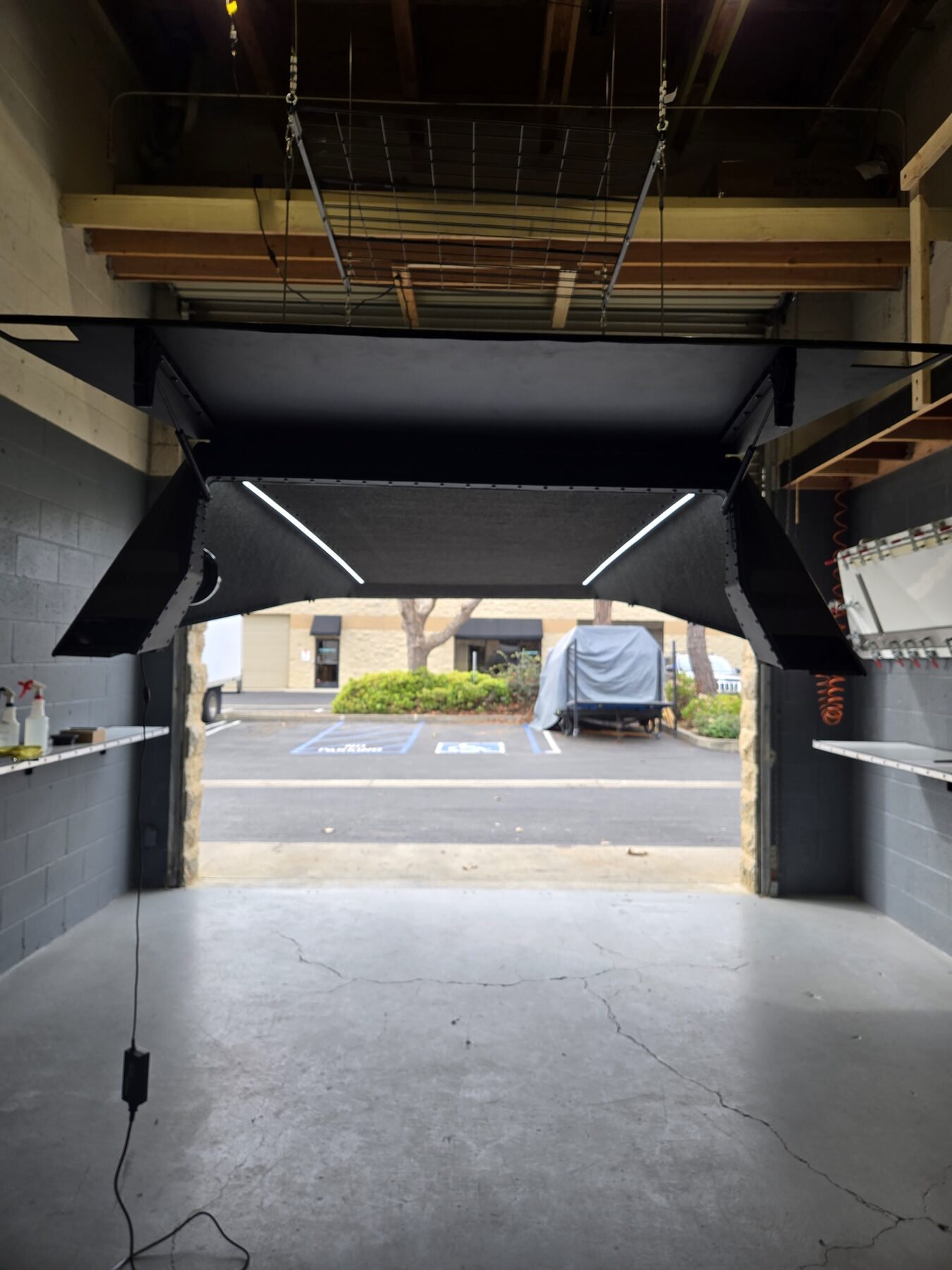
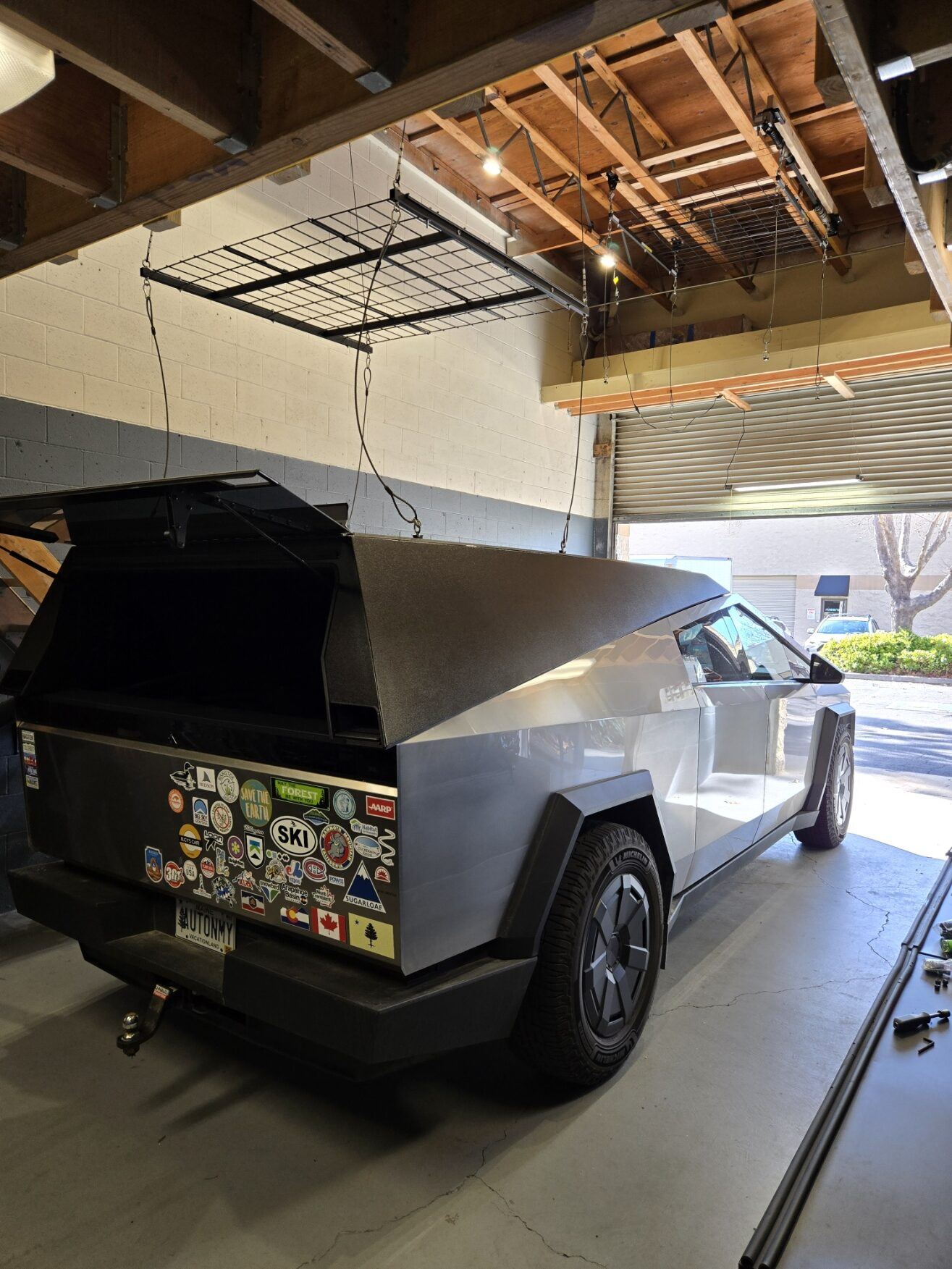
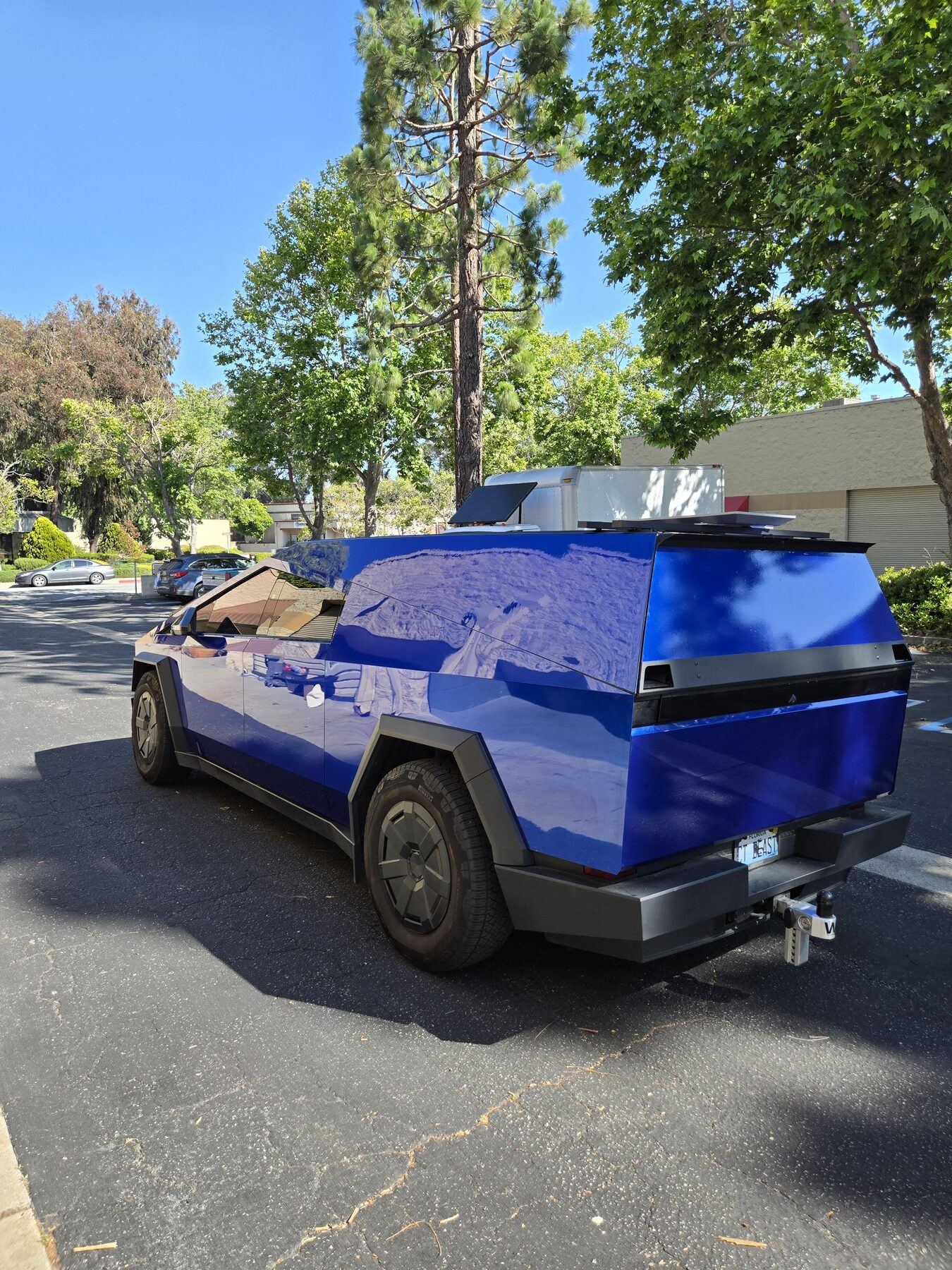
investors gone, we pivoted toward the simpler design, the cap,
planning to use its proceeds to eventually fund the wedge.
Bootstrapping the Cap
An old friend who owned an aerospace company up in Washington
opened his shop to us, and we moonlighted nights and weekends to
bootstrap production of the cap. We built the composite plugs for
the molds and every metal part in house, paying in materials and
time, a lot of time. Bootstrapping was never meant to be the plan.
It was the bridge, the way we stayed alive and kept building until
the truck found its market and the funding caught up.
It never caught up. The Cybertruck carried millions of reservations and,
by outside estimates, has sold somewhere near seventy thousand trucks.
We always had more orders than we could
fill, but demand for the cap was a hard case to make to investors who
were reading headlines about the truck it bolted to. We closed in 2026.
Somewhere out there are twenty happy campers with awesome trucks.
Startup · 02
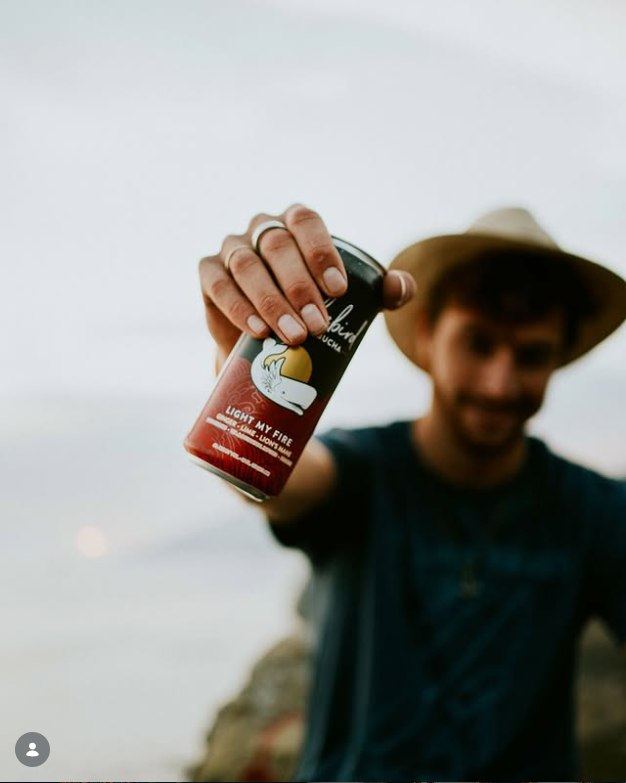
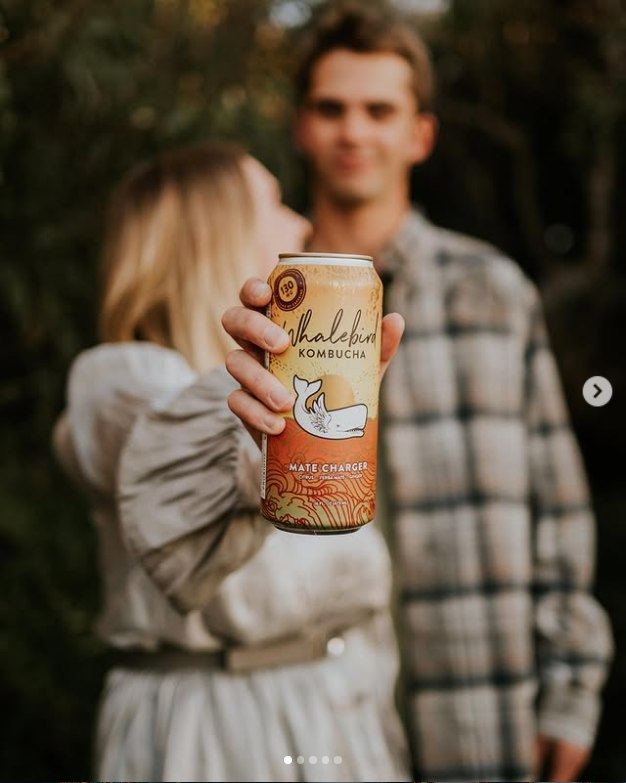
Whalebird Kombucha
2016 – 2022 · Business Partner · San Luis Obispo, CA
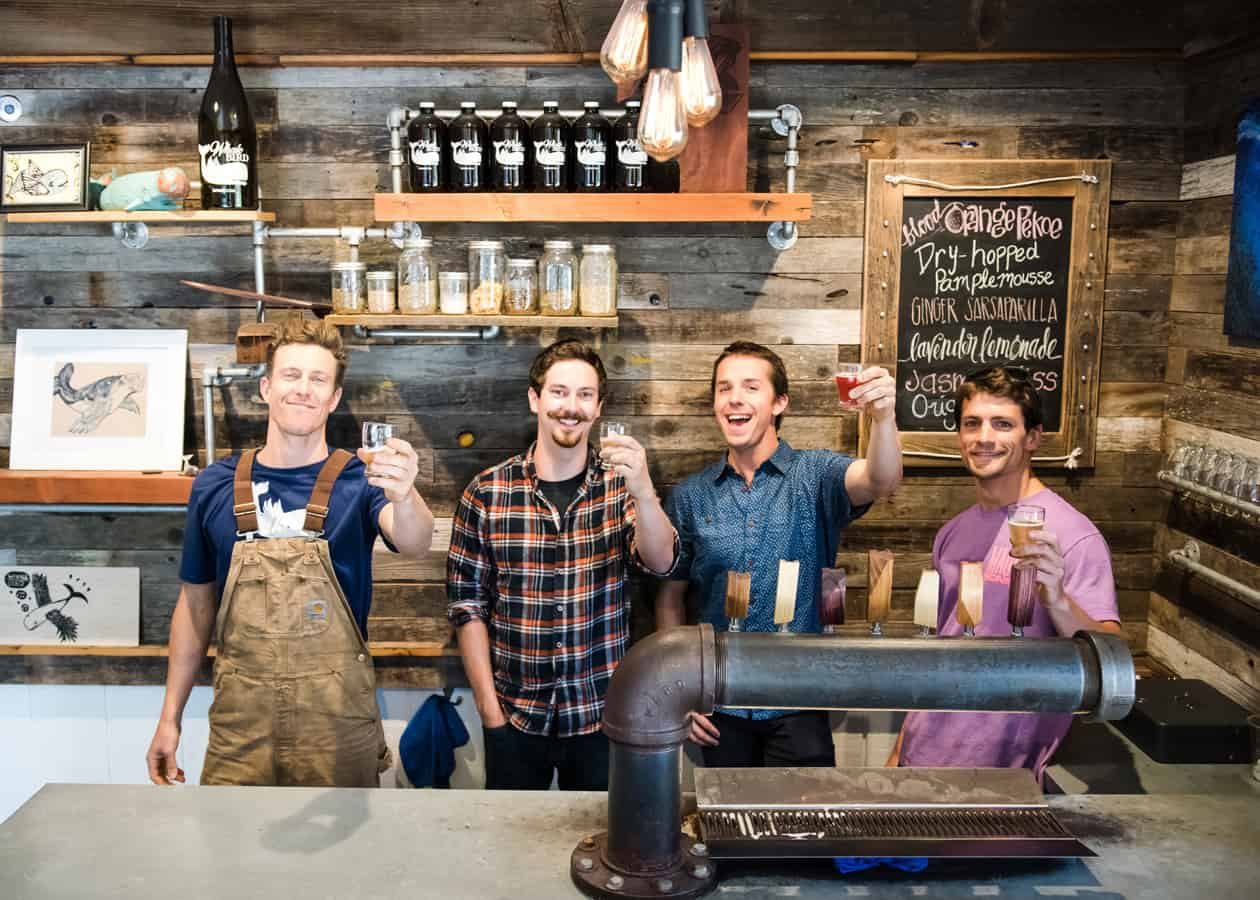
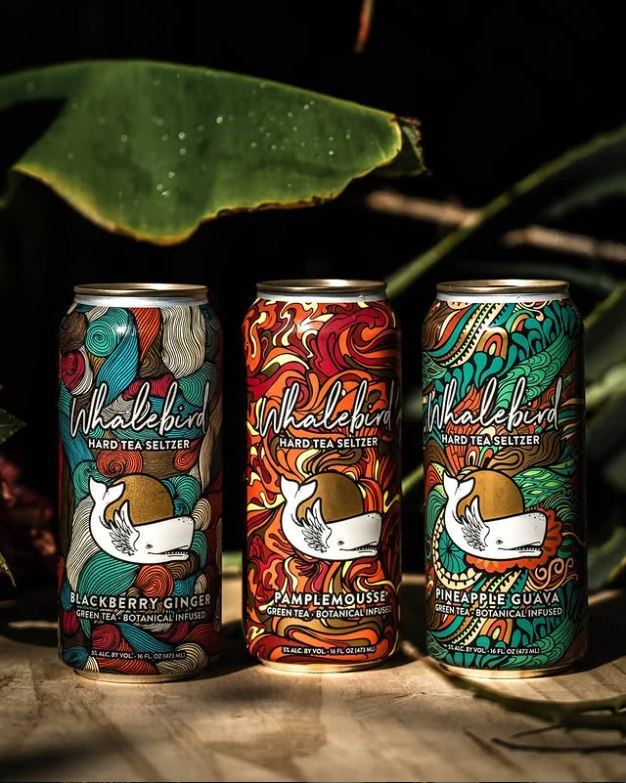
I came on to Whalebird as an early partner, alongside a couple of good
friends I had met after moving to California. Over the six years I was
there we bootstrapped a small operation into a warehouse brewery,
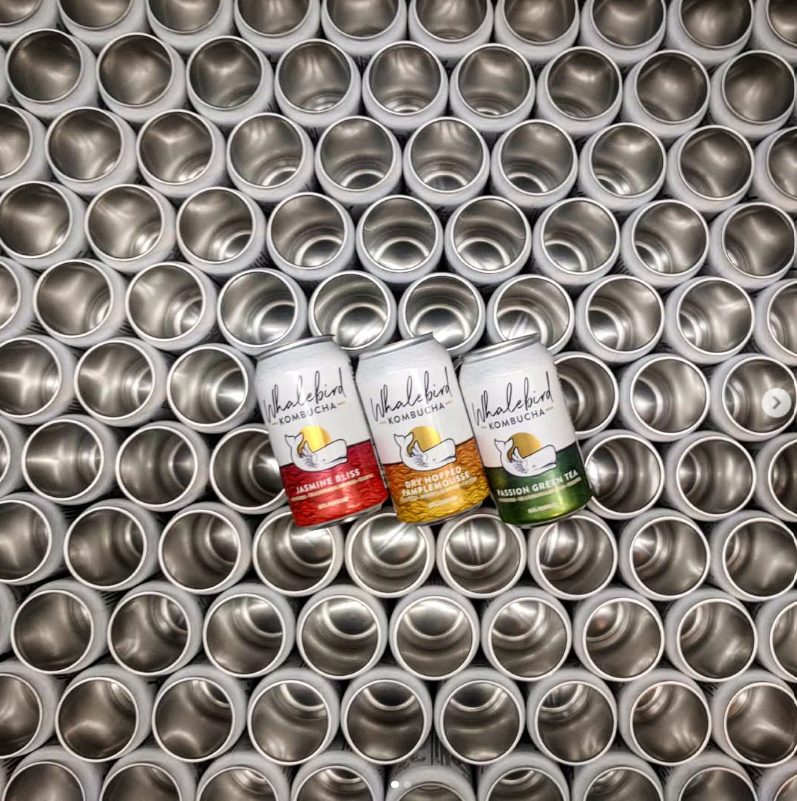
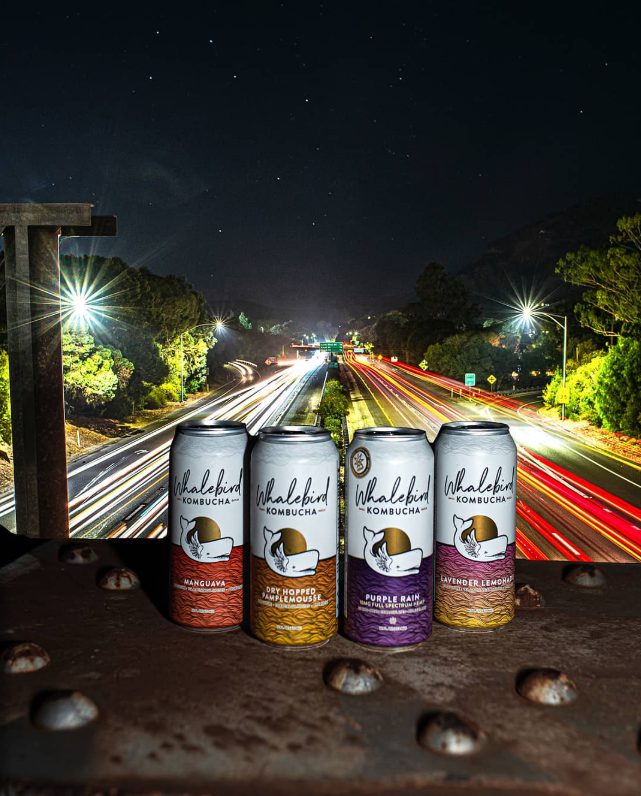
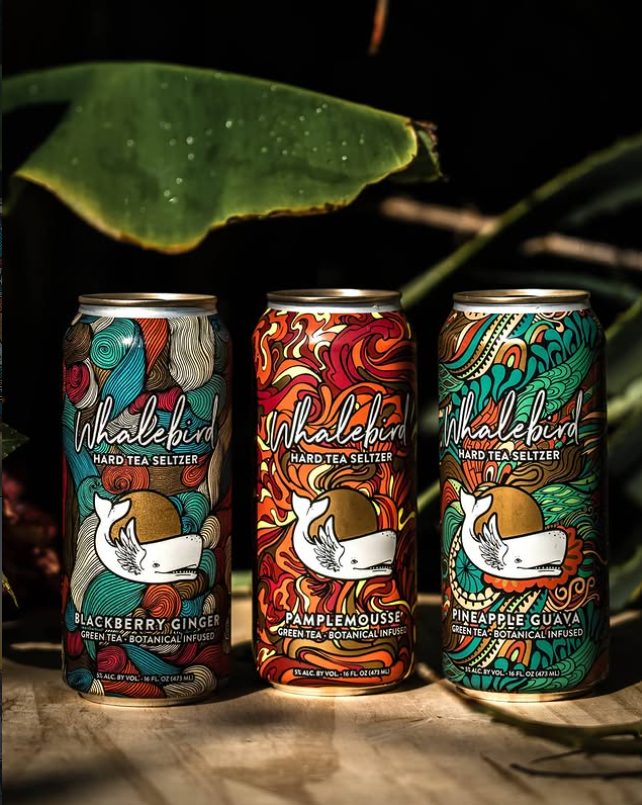
raised capital from local investors, and built the brand ourselves all
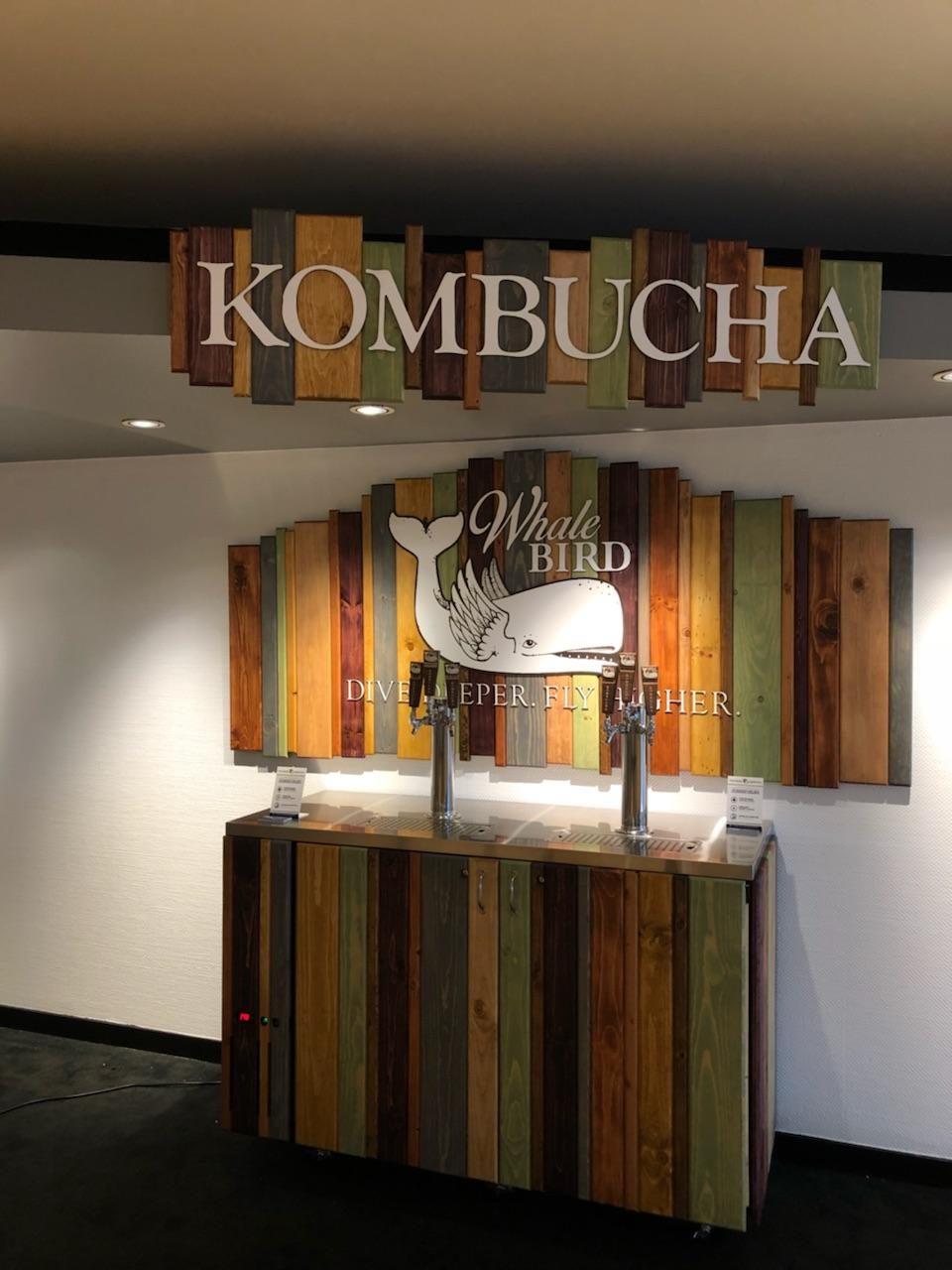
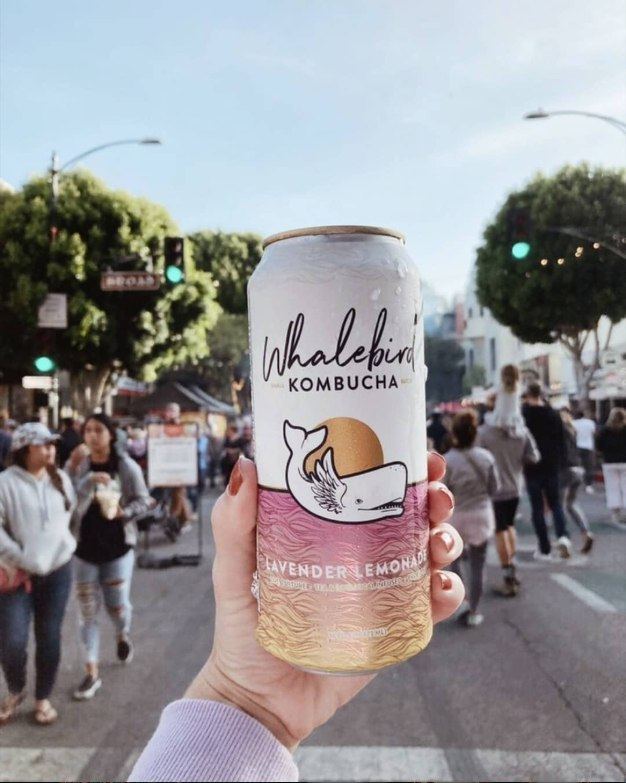
the way down to the tap handles. We turned Whalebird into a staple
around town, and we built a place where our employees actually enjoyed
coming to work every day, which is the part we were most proud of.
Here's a little more on how it went down.
Where It Began
When I first moved to California, I was working as a process
engineer for a medical grade silicone manufacturer, and my
roommates had started a small, successful kombucha operation
out of a warehouse. I quickly realized my bioreactor design
experience was applicable. I knew nothing about fermentation
or brewing, but I knew a lot about the equipment it takes to
scale a small operation to meet demand. Kombucha was hot at
the time, and we wanted to strike while the iron was hot. So
I came on as a partner.
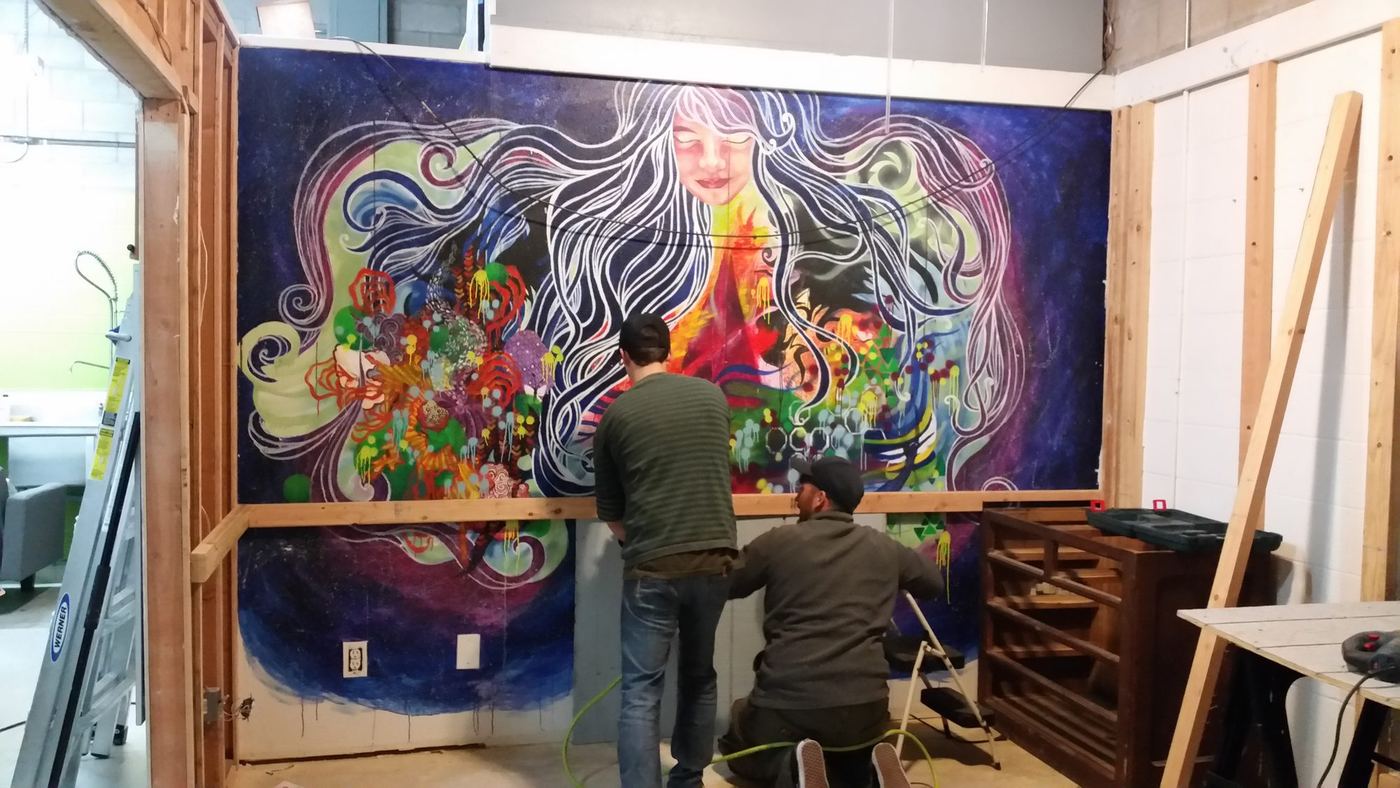
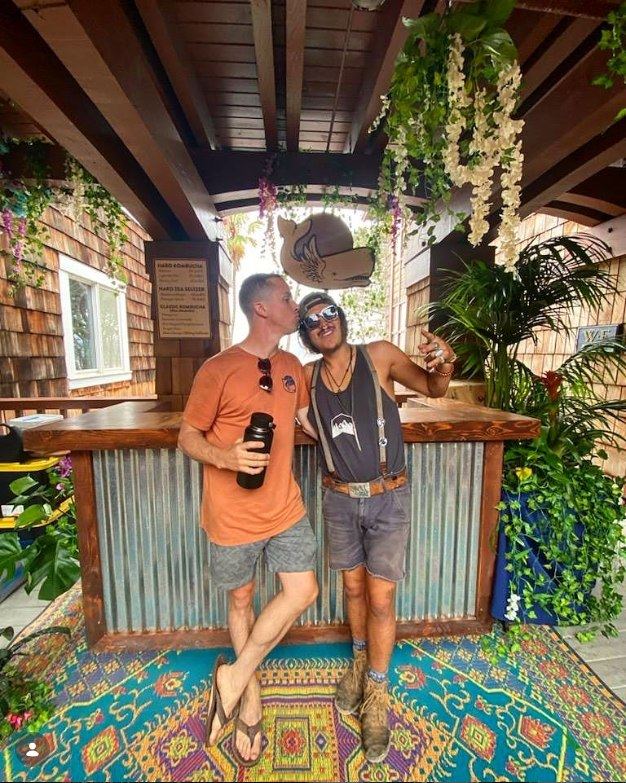
The Tasting Room
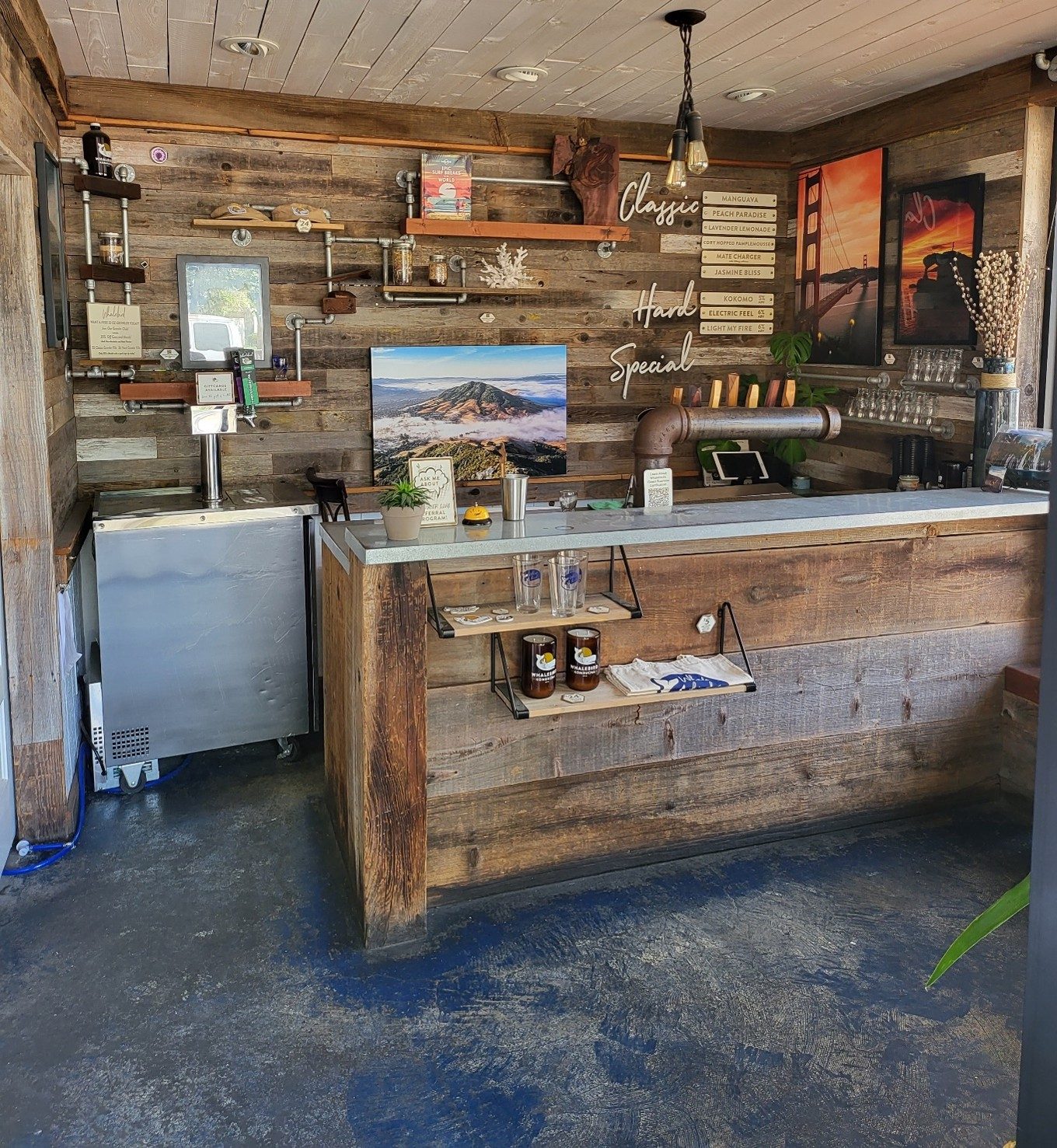
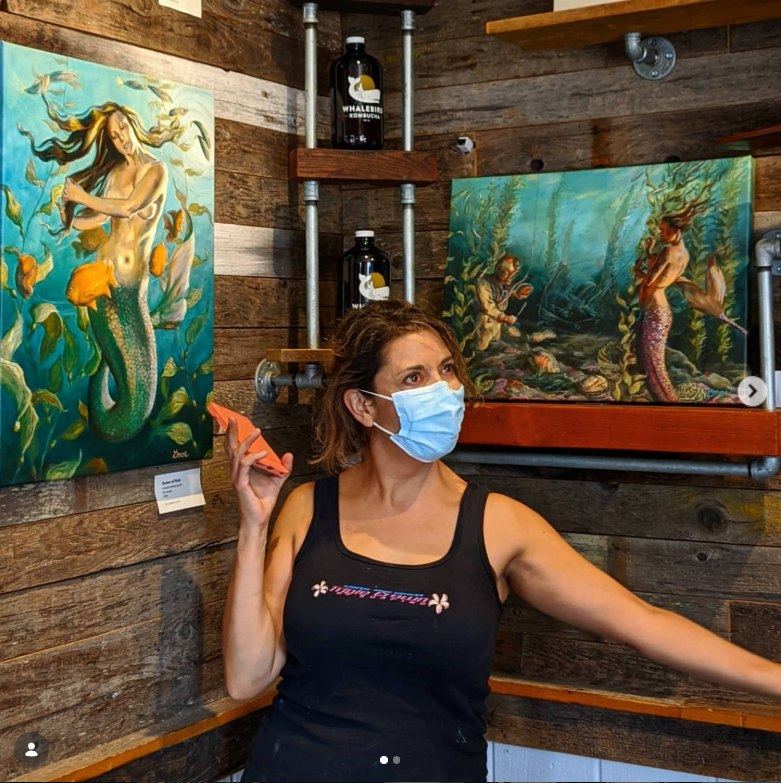
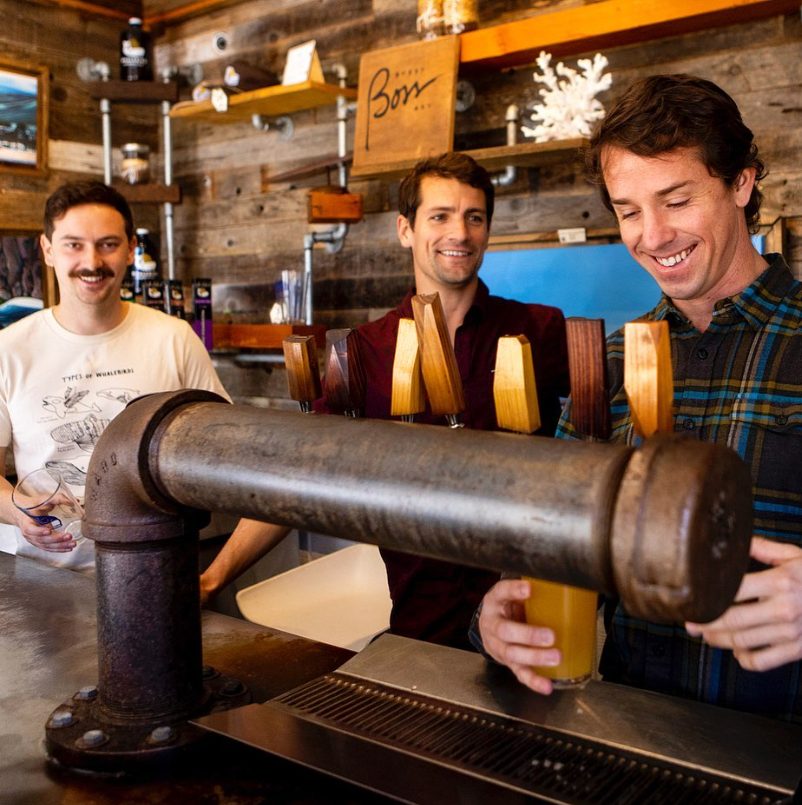
One of the first things we did was start a growler club. People came
by, filled up, and took it home, and that trickle became some of our
steadiest early revenue. The problem was the room they walked into,
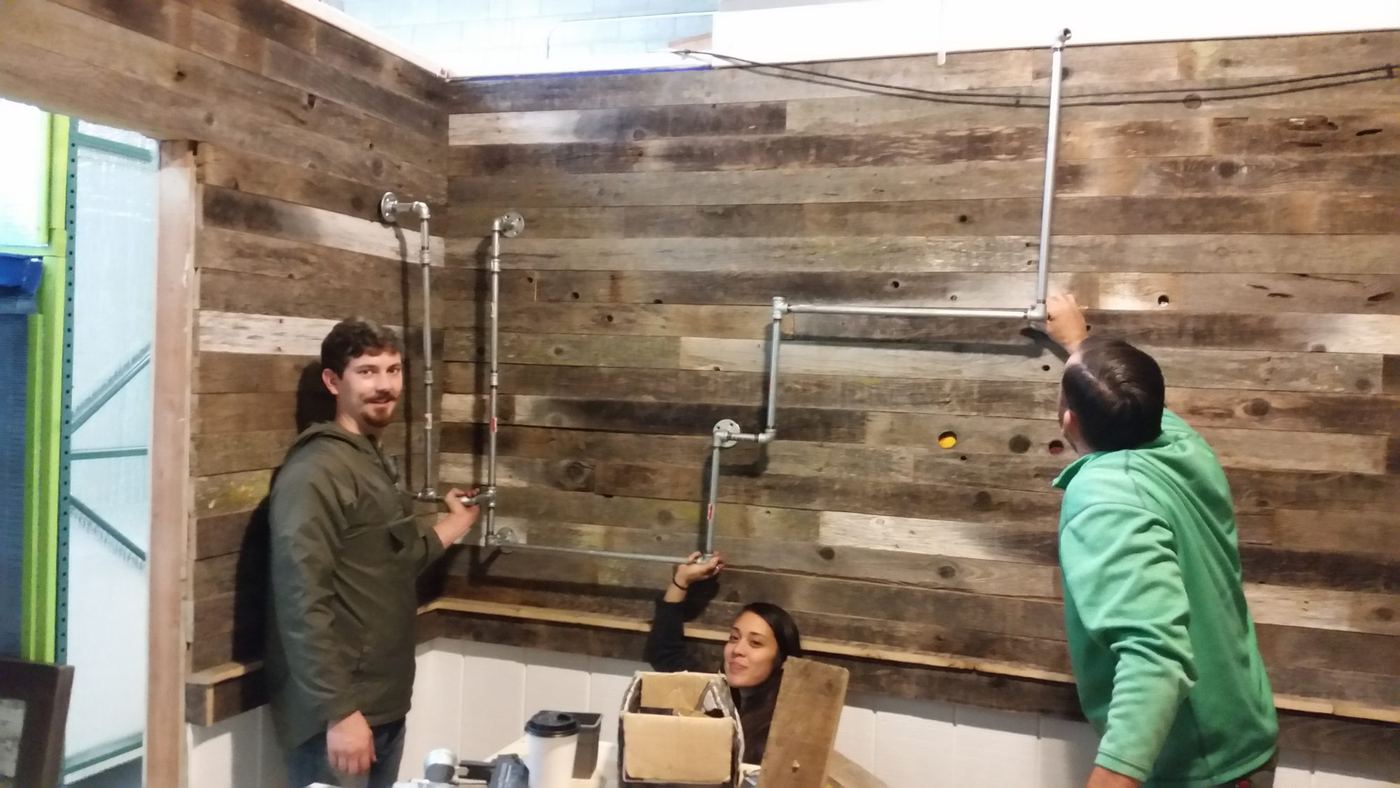
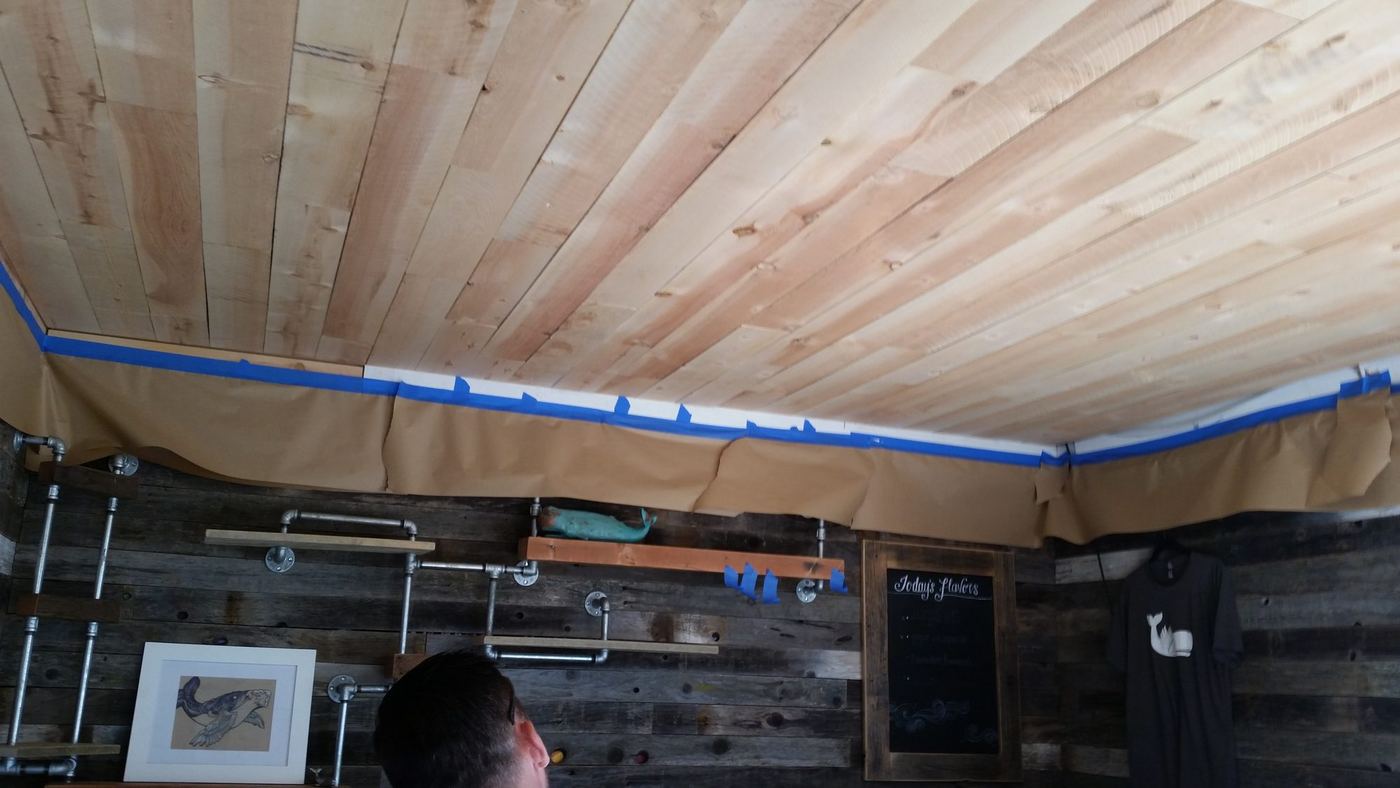
still looking like the warehouse it was. A friend of mine, a
contractor, showed up with a truckload from a barn he'd torn down,
and we built the bar and the room out of it, down to a tap tower I
made from old pipe and gave a patina.
Scaling the Facility
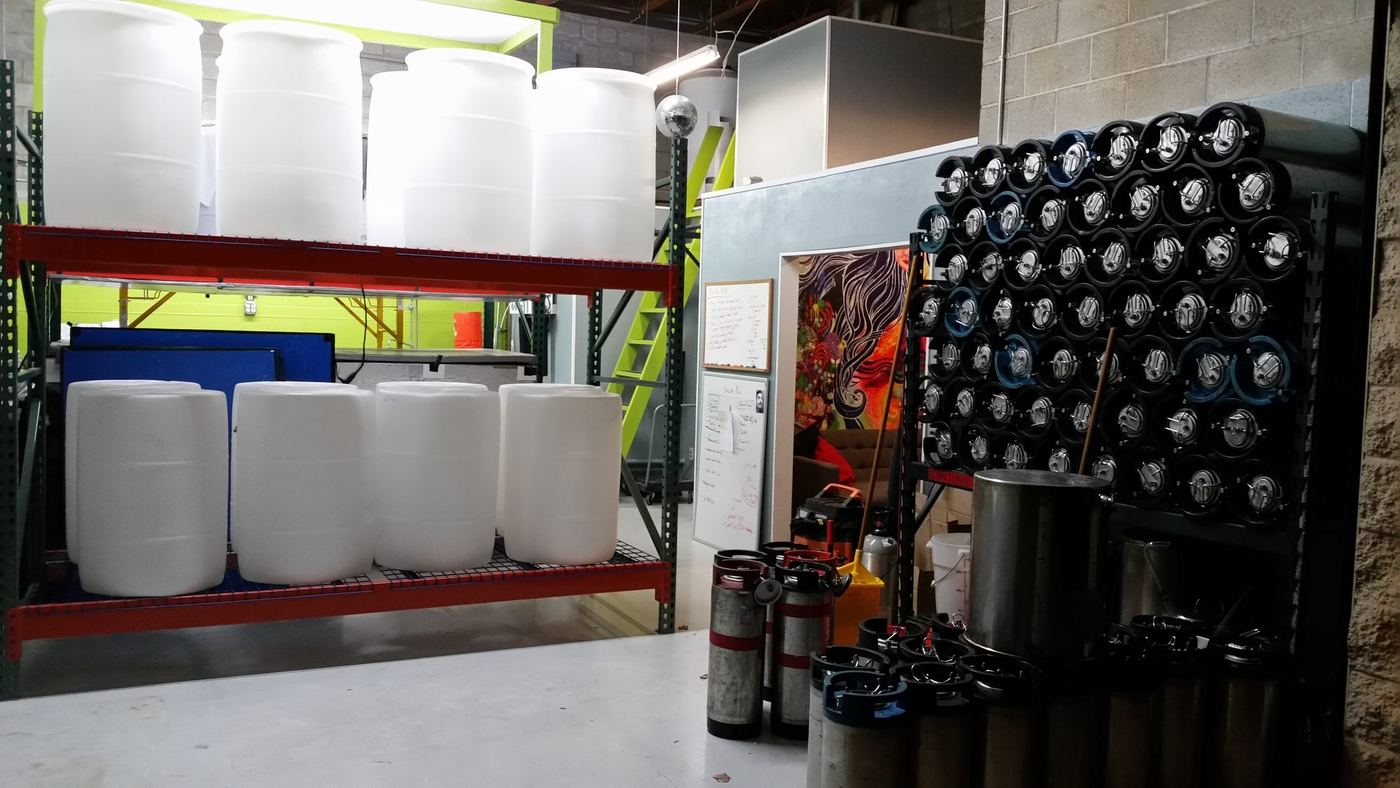
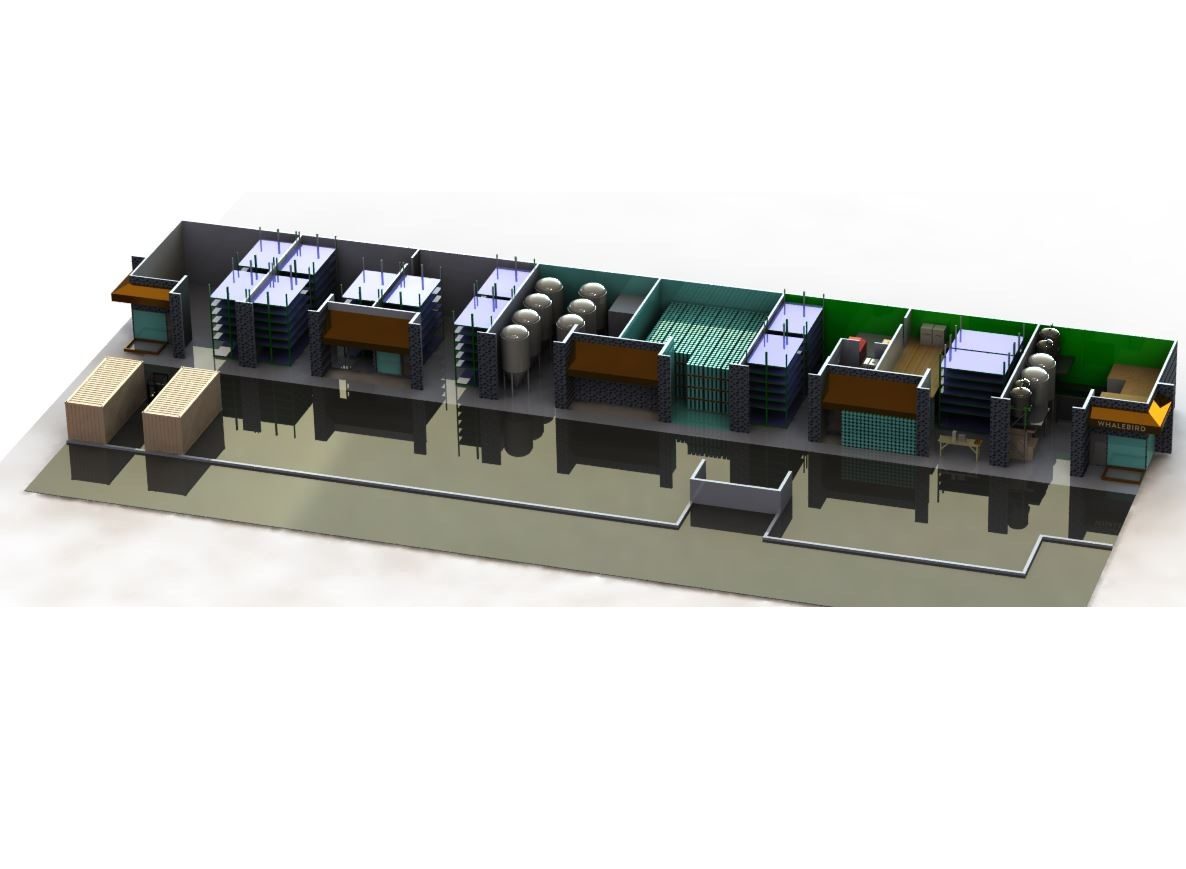
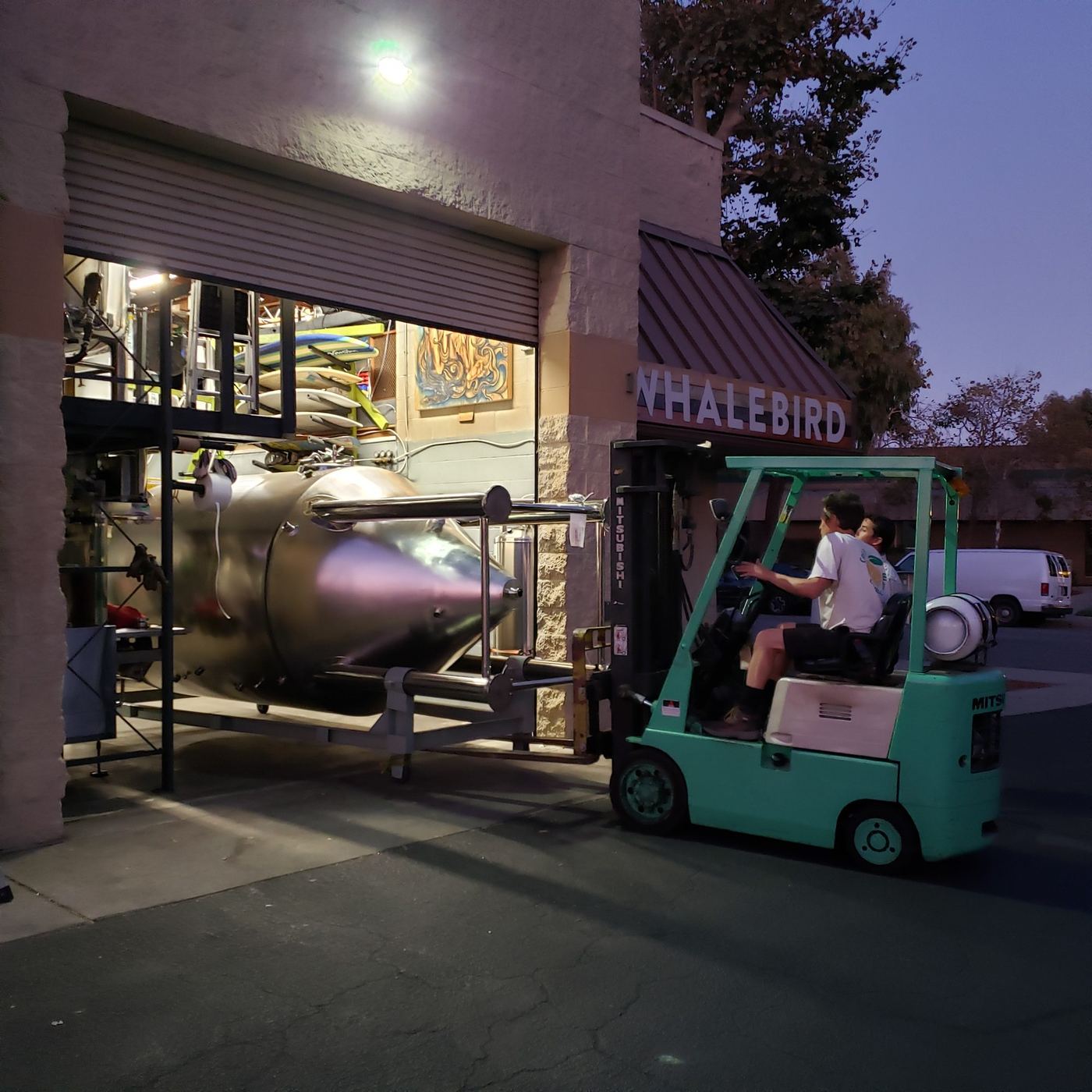
As the business grew, so did our footprint. We took over a chain of
warehouses one building at a time until we had absorbed five of
them, blowing holes through the walls as we went so production could
flow between them. The ceilings ran sixteen feet, so we went
vertical and ran production on basically two levels everywhere we
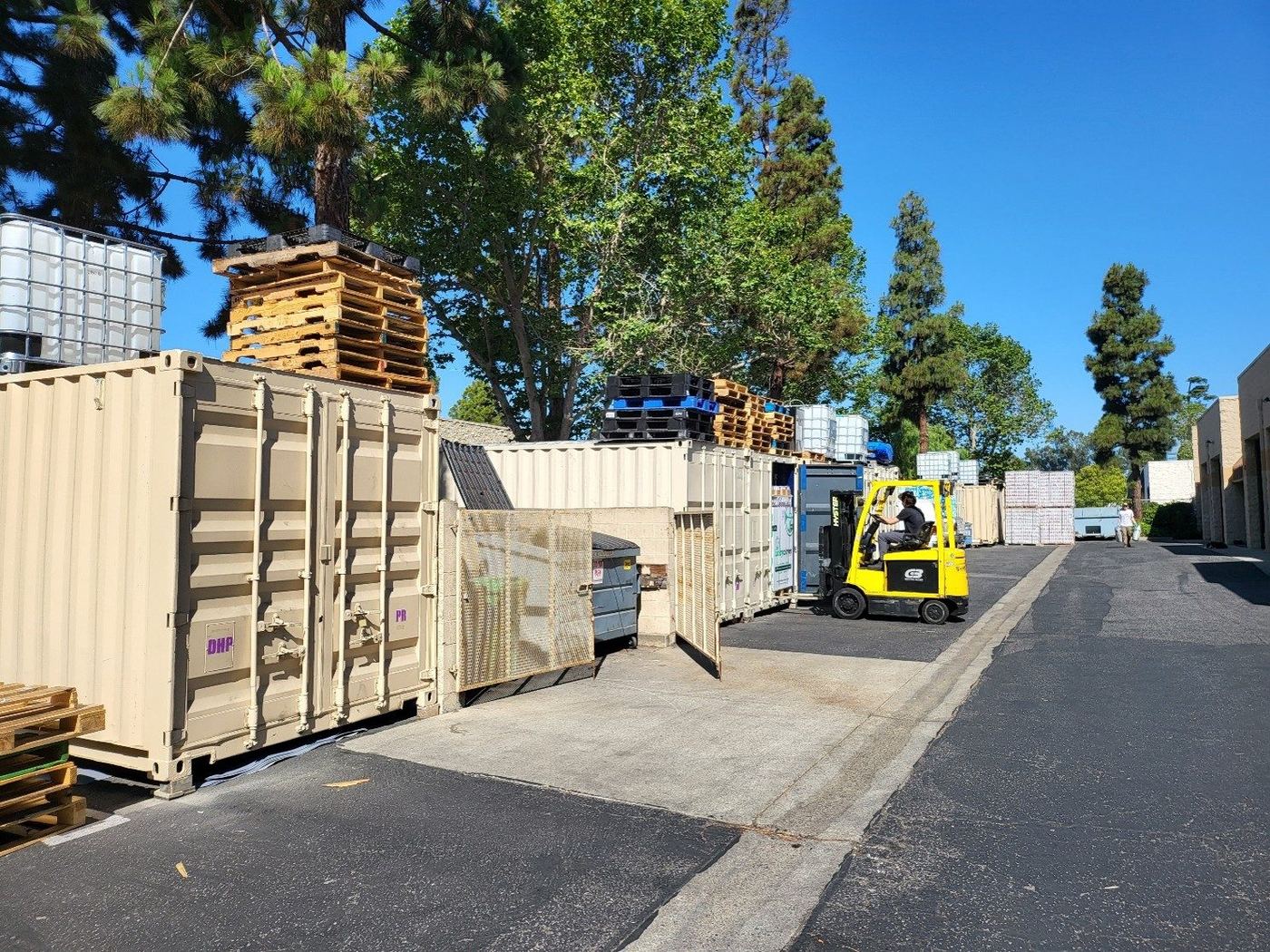
could. Eight shipping containers out back held the overflow.
Building It Ourselves
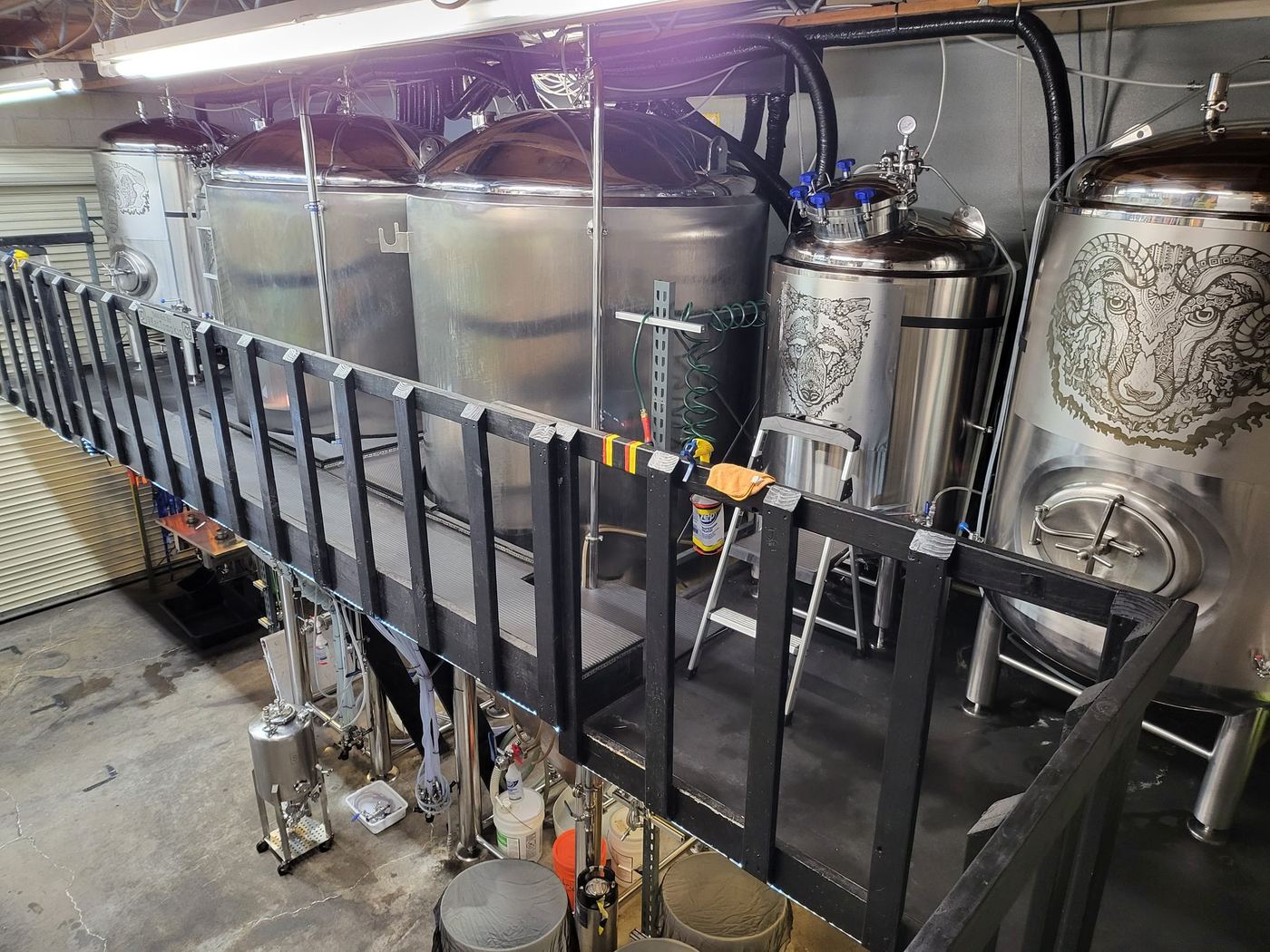
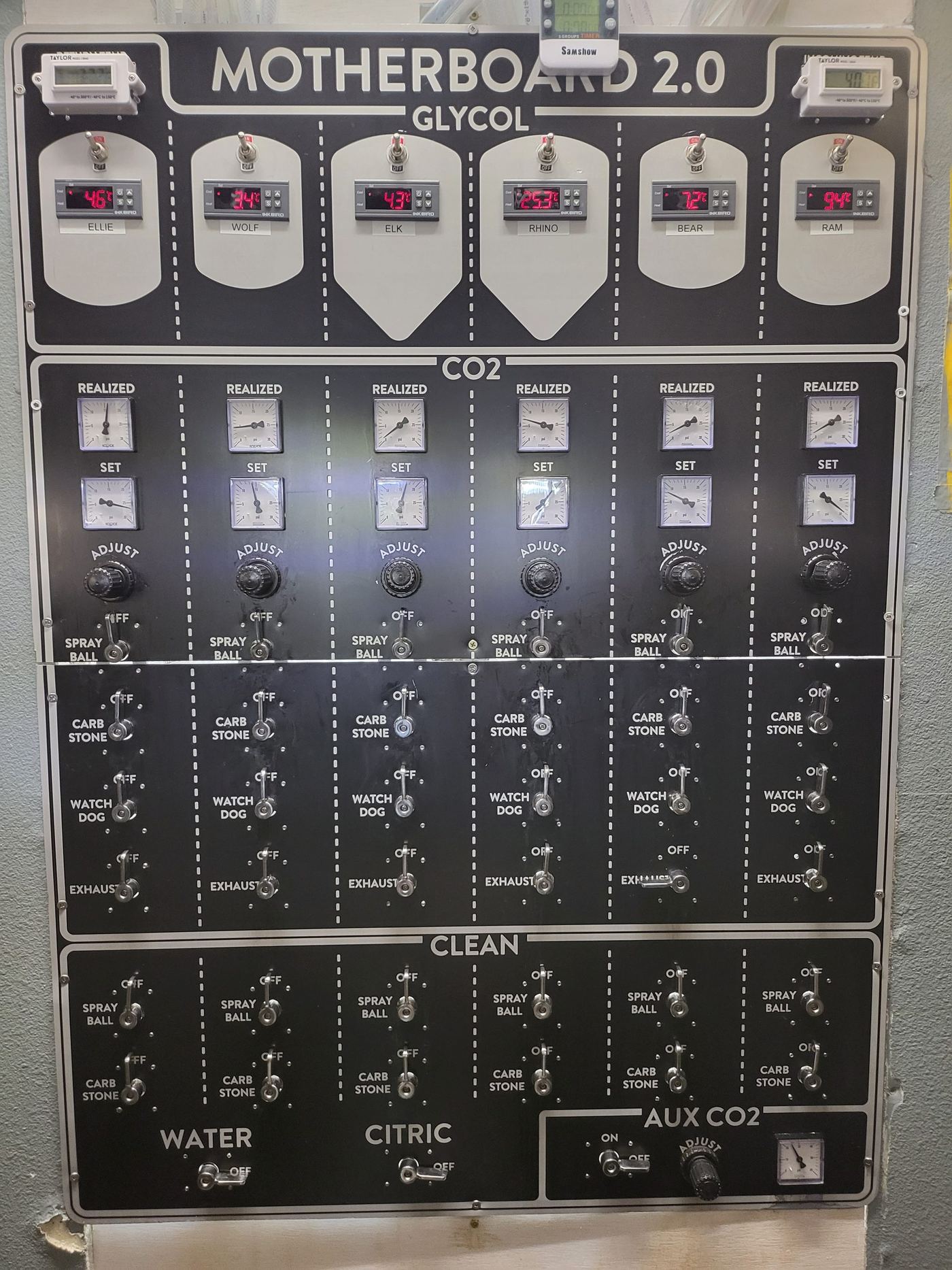
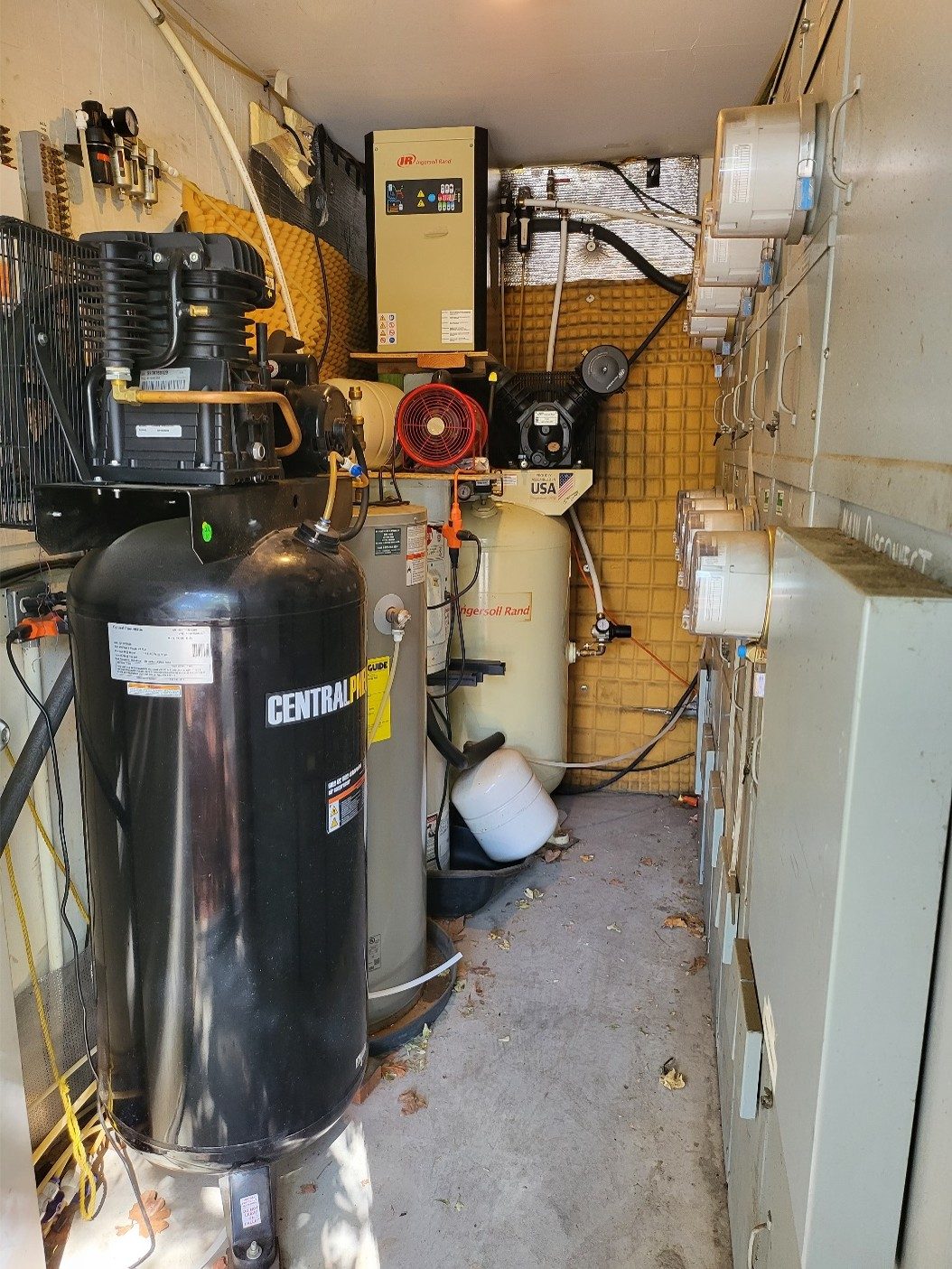
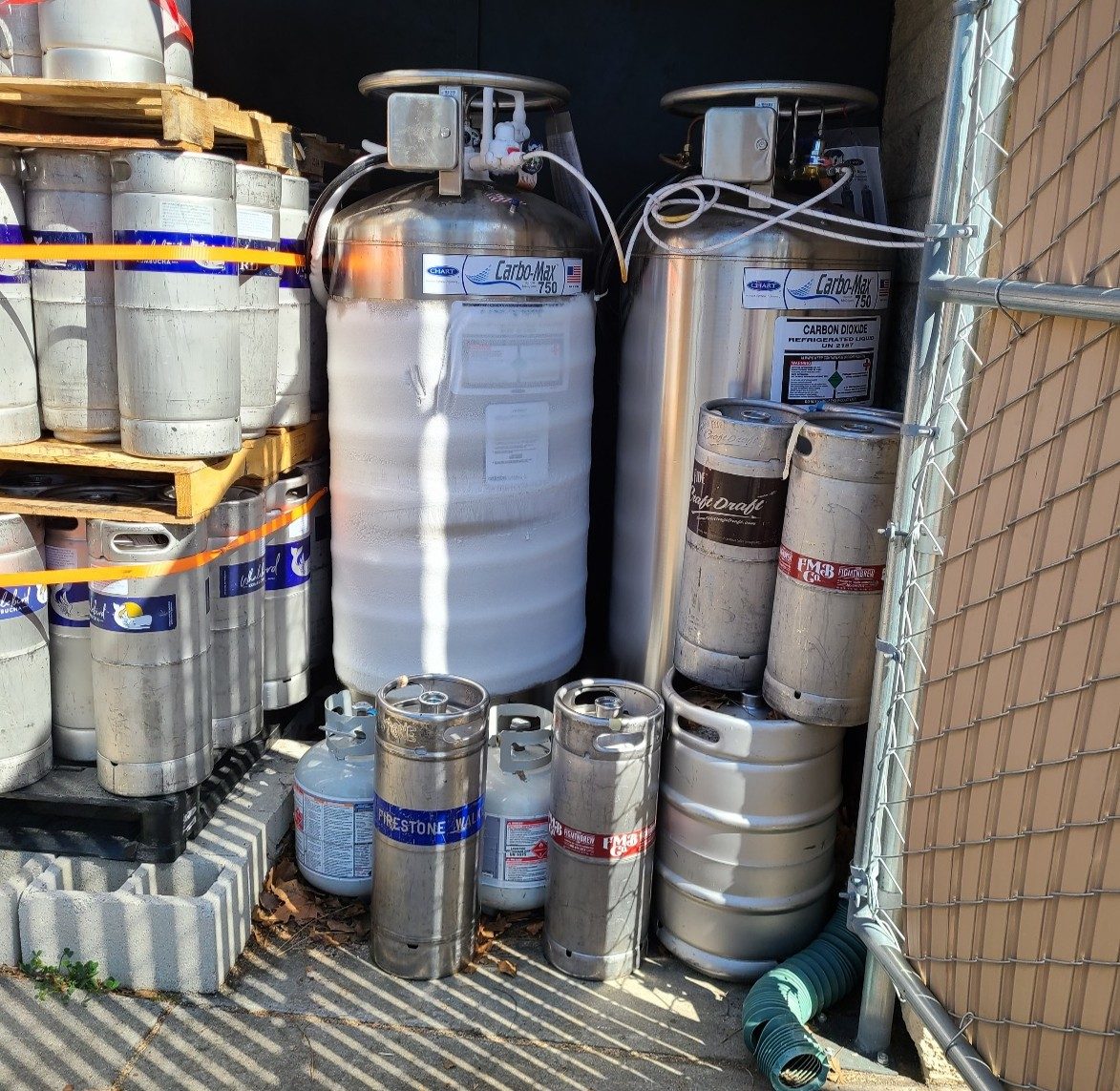
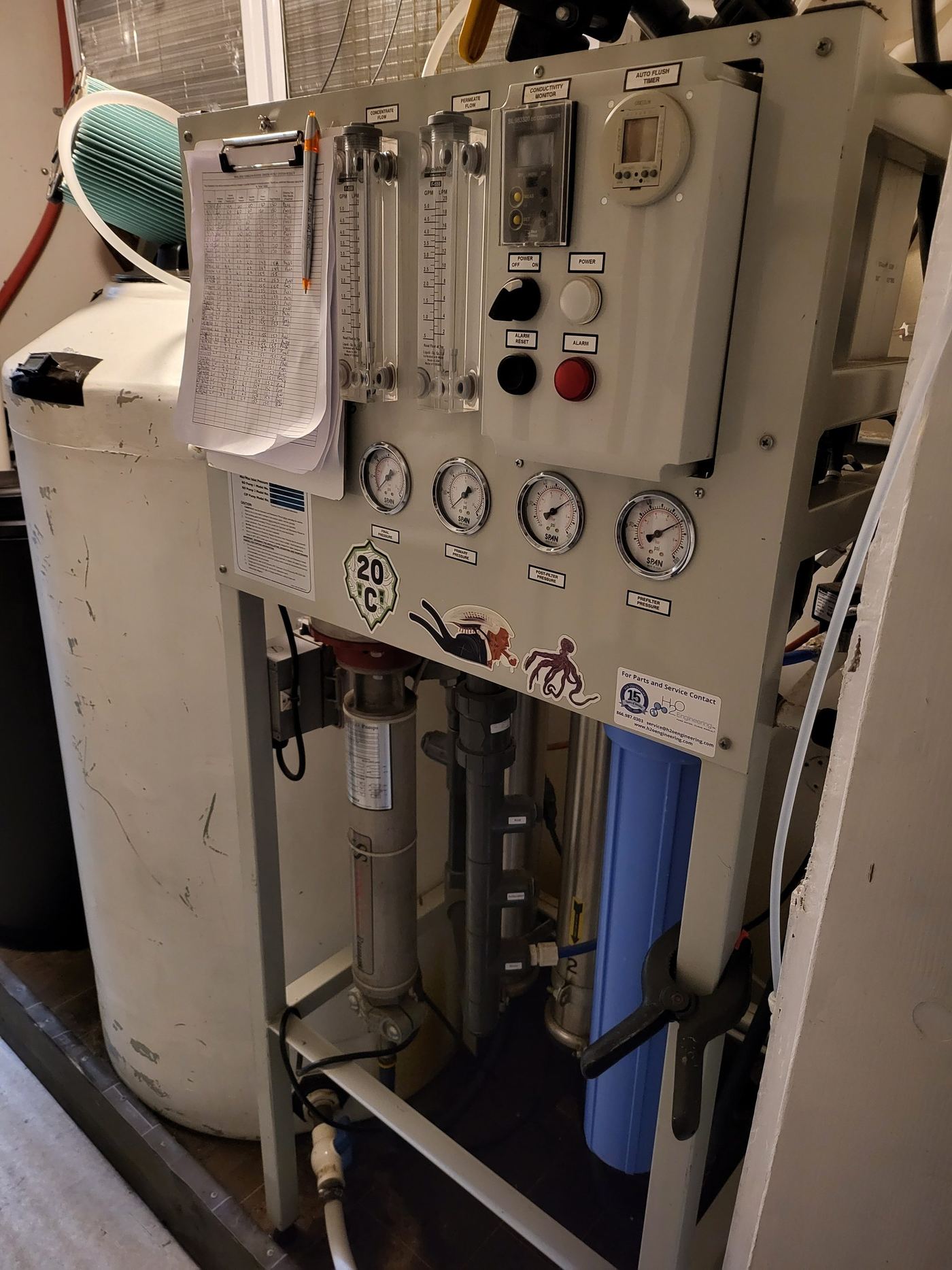
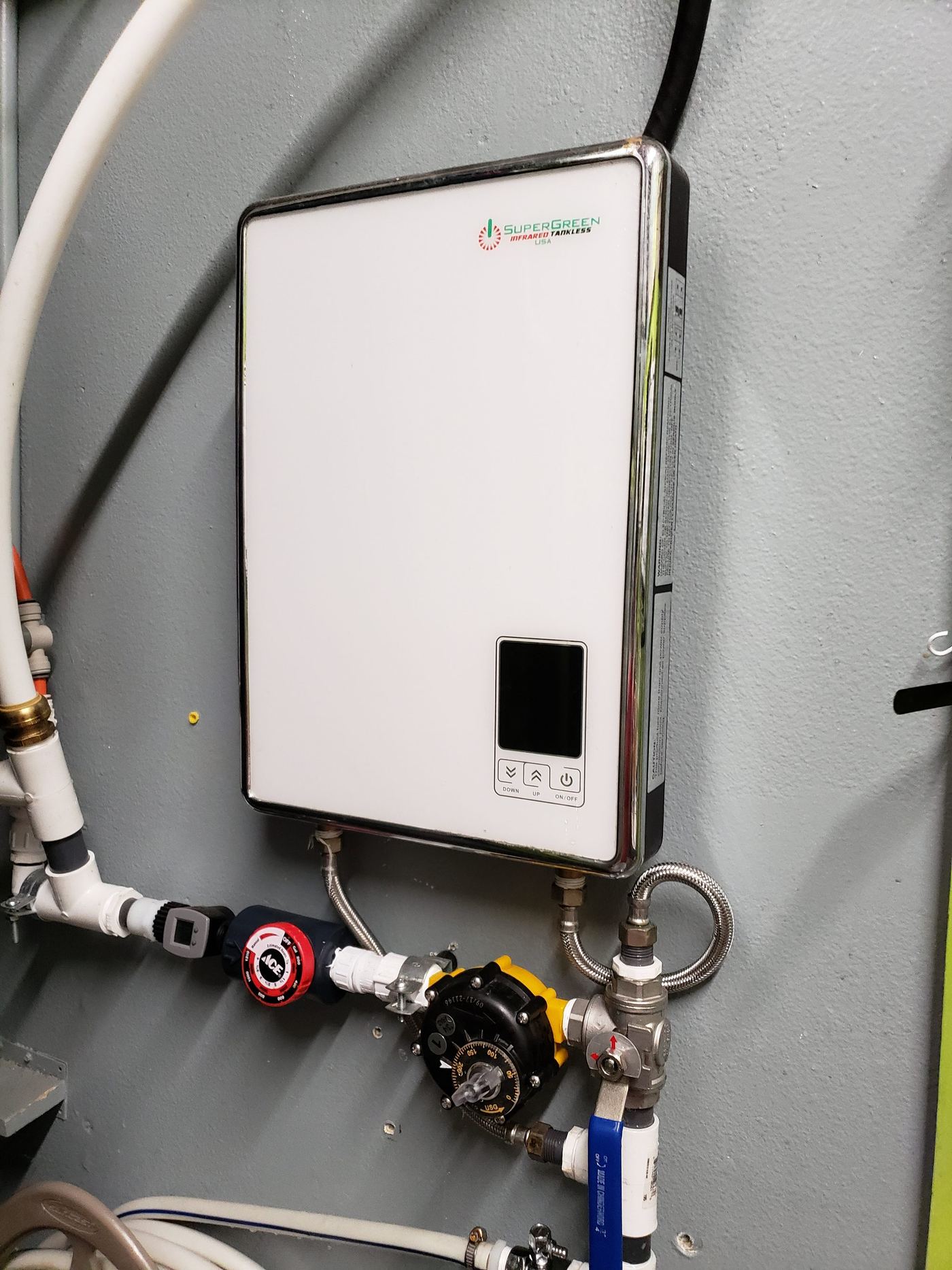
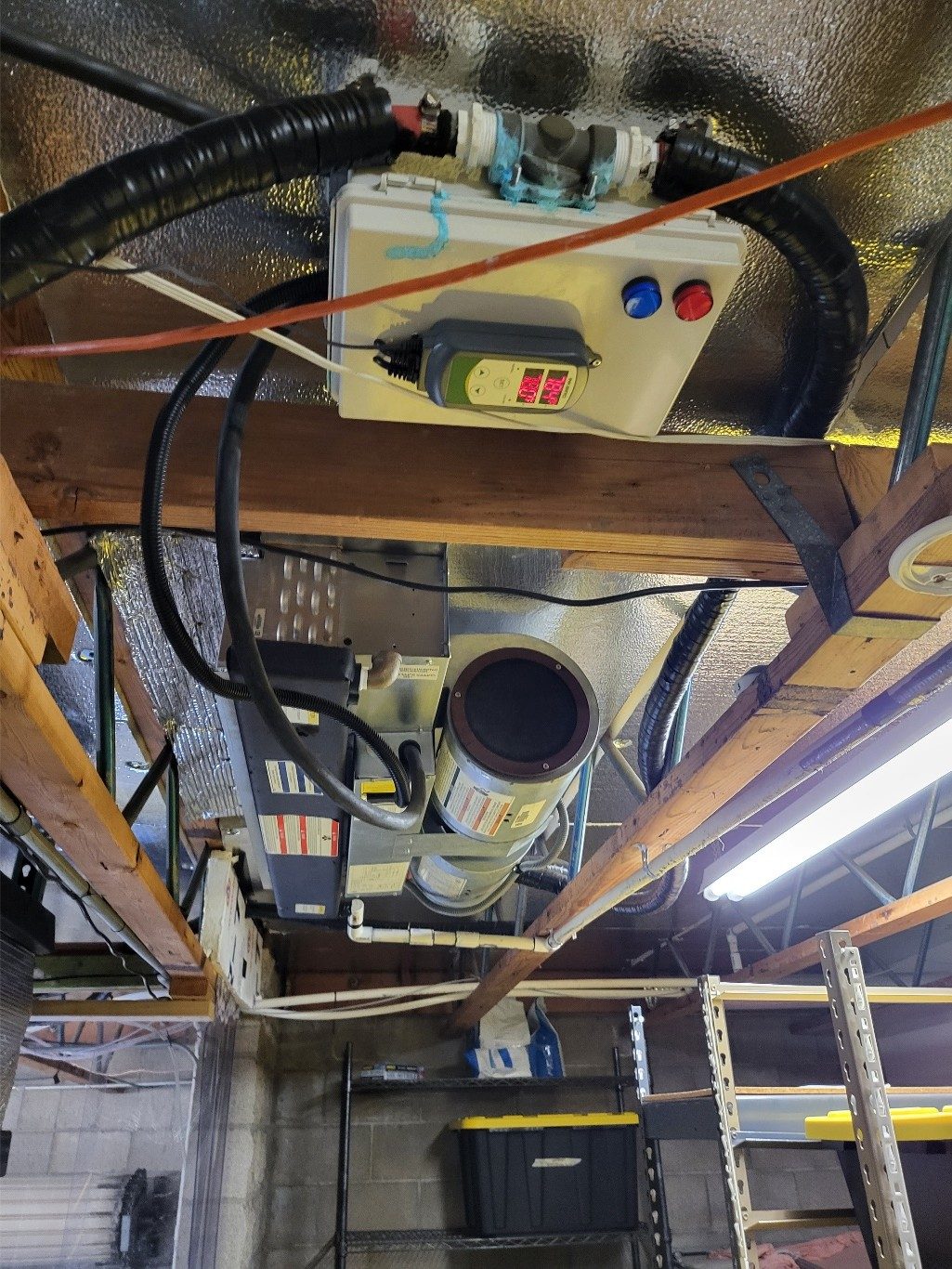
I handled all of the electrical and plumbing myself in that
facility, running power for a ten ton glycol chiller, wiring
the CO2 distribution to the bright tanks, adding heaters to every
fermenter, and building a cleaning manifold that could send
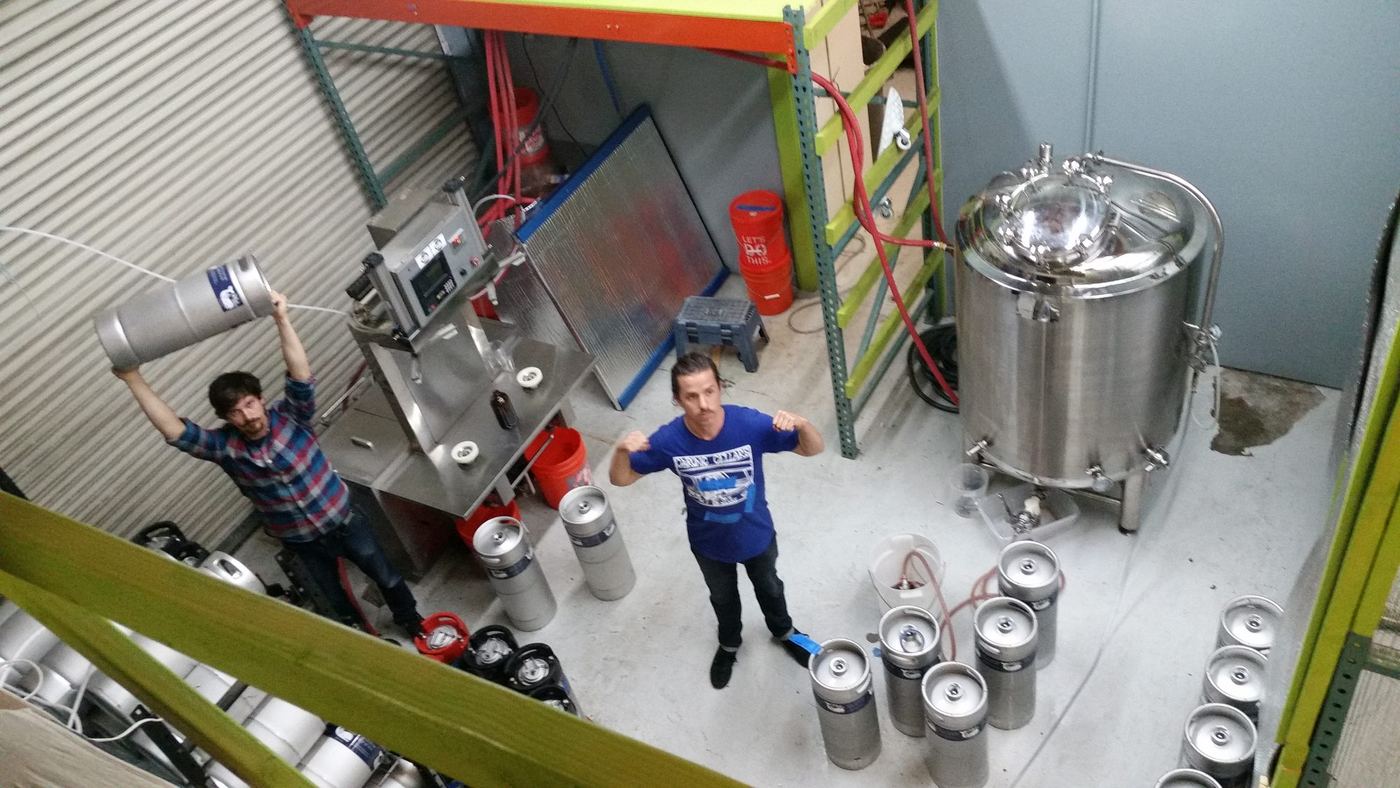
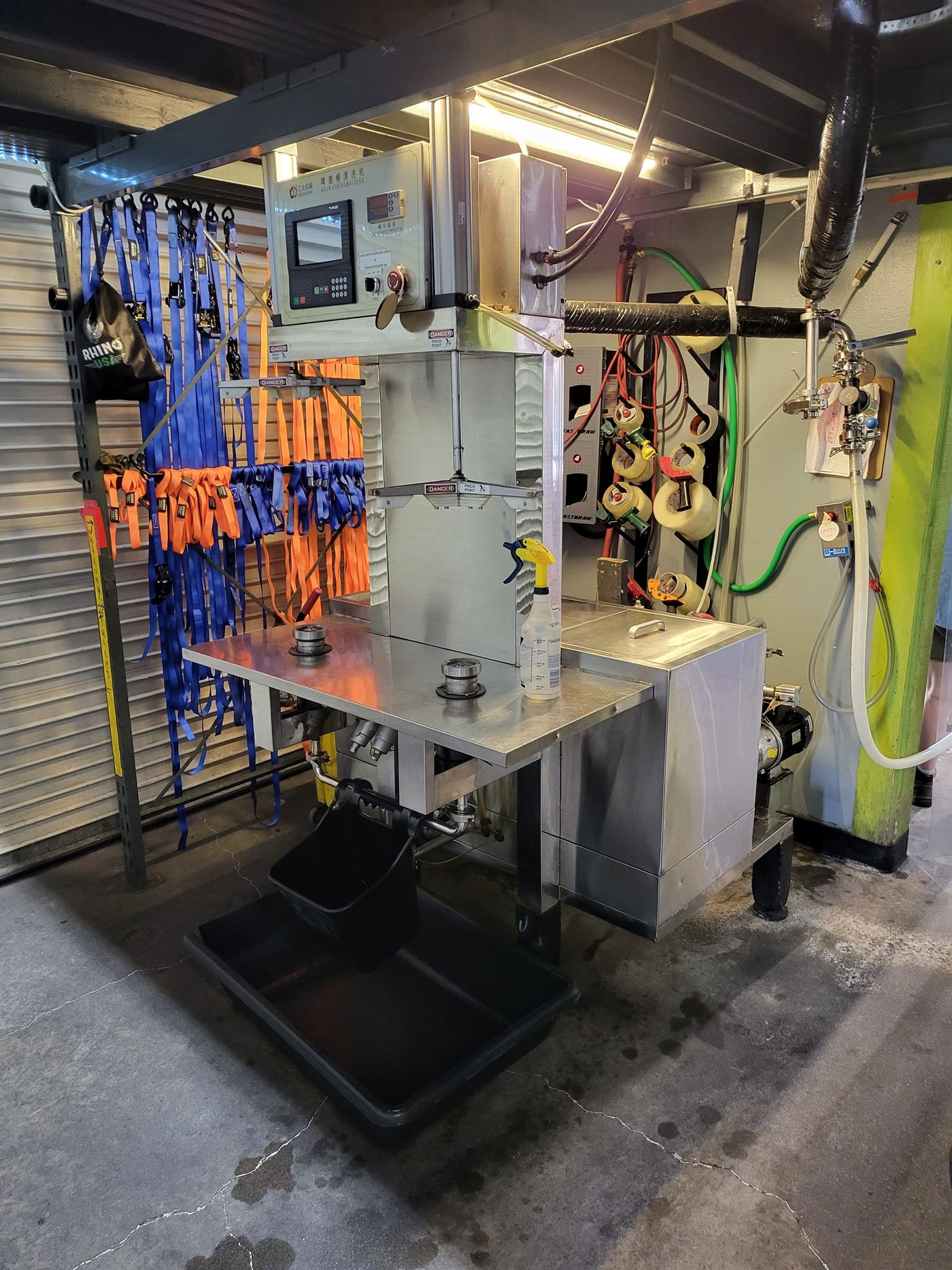
different liquids to any tank in the building. When a keg washer
from China showed up with zero support and started failing, I
rebuilt it, printing molds and casting my own silicone seals for
parts nobody sold.
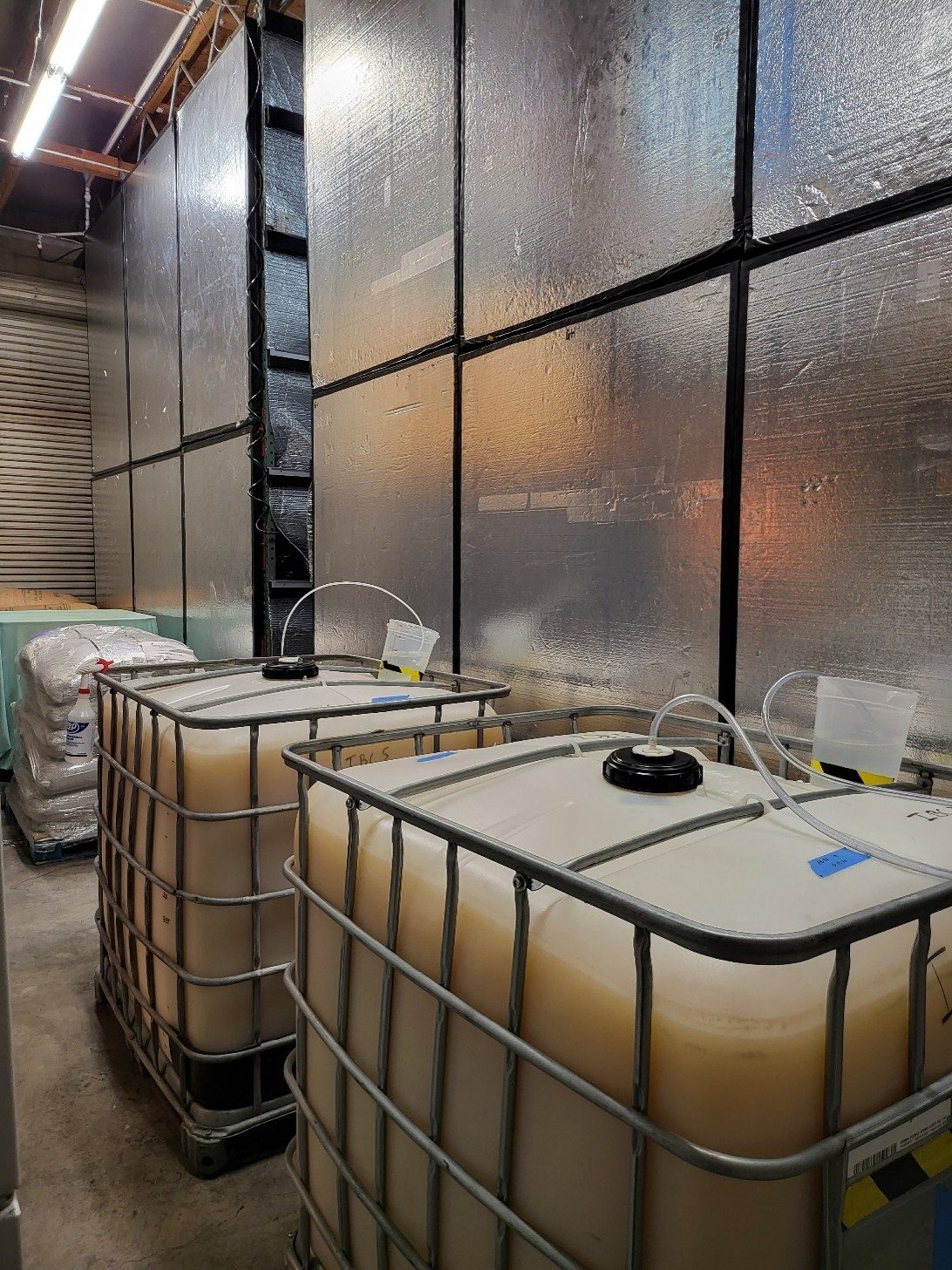
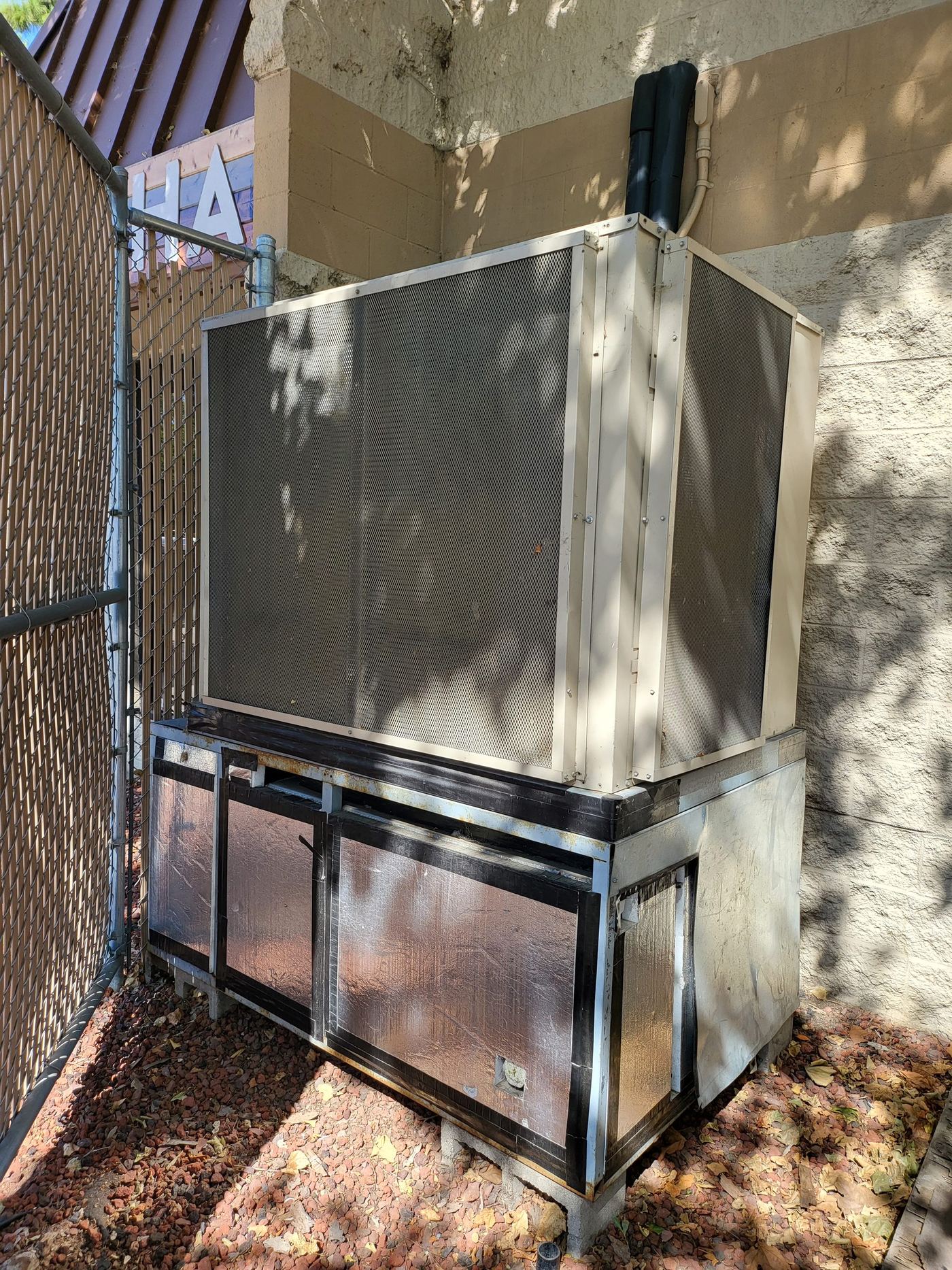
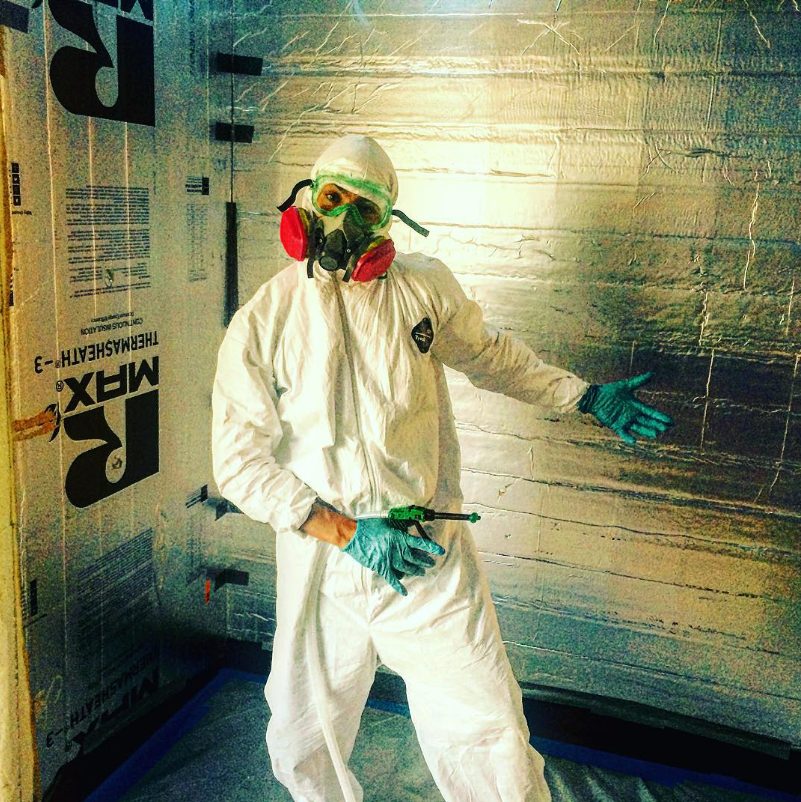
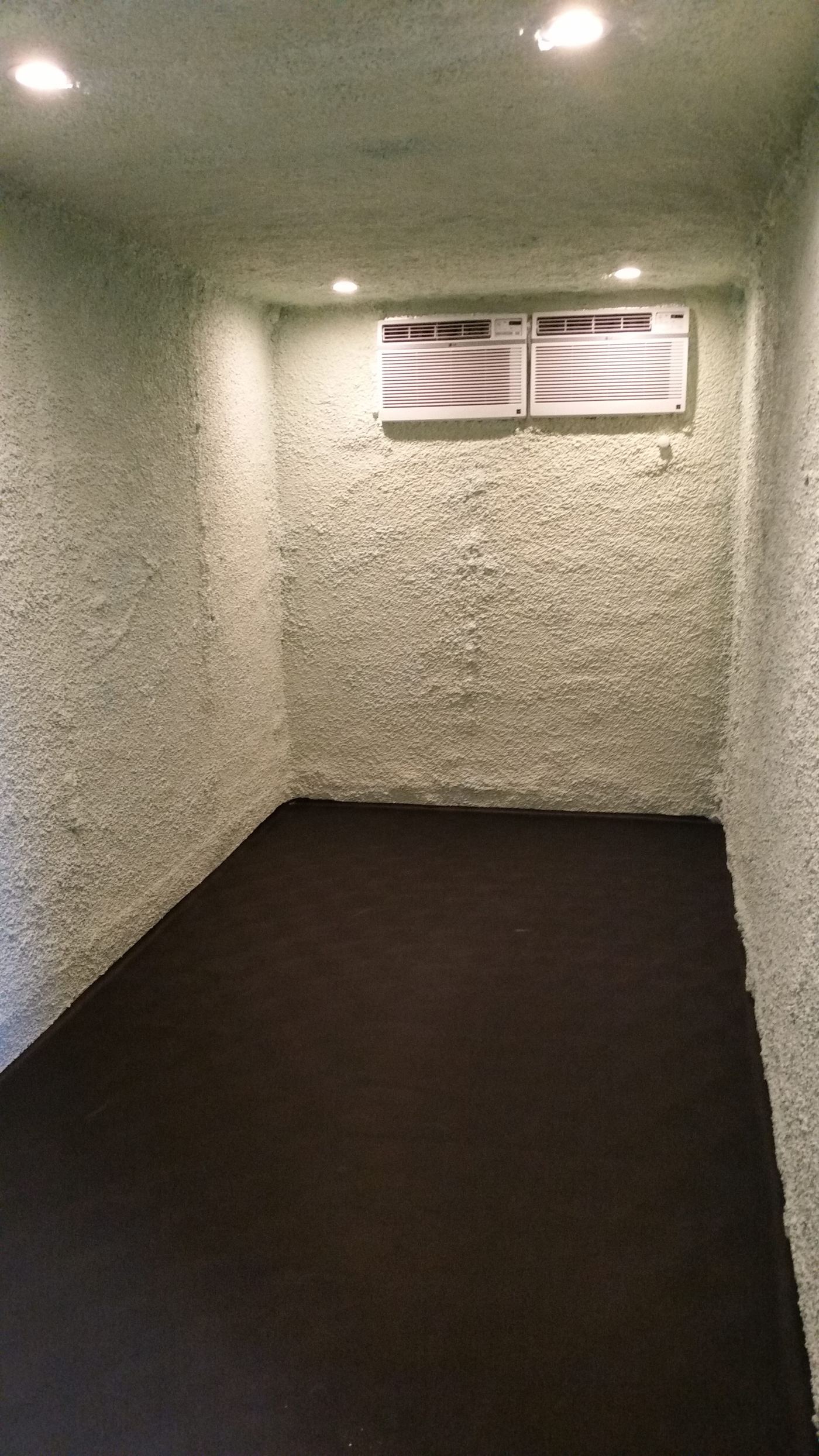
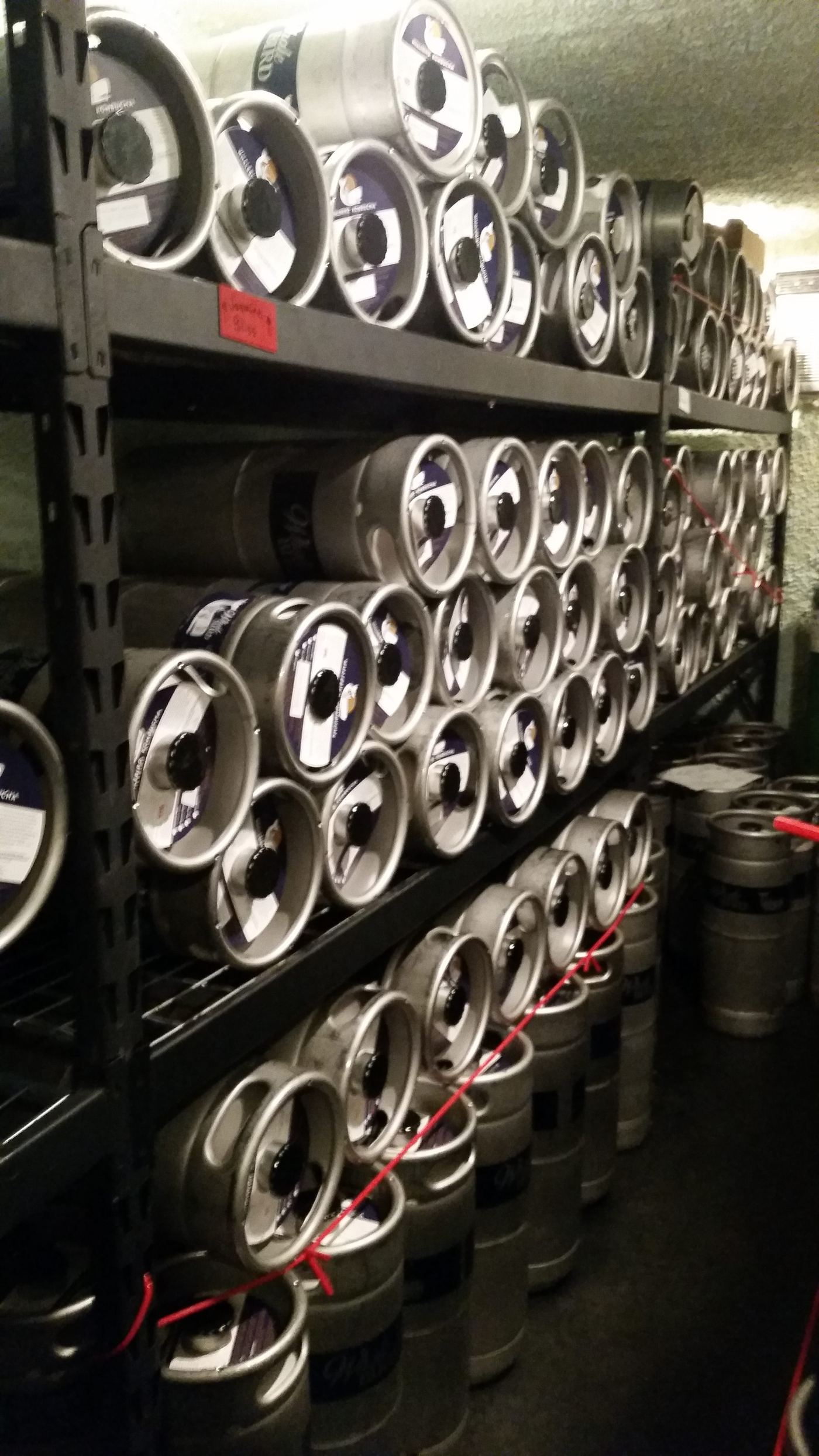
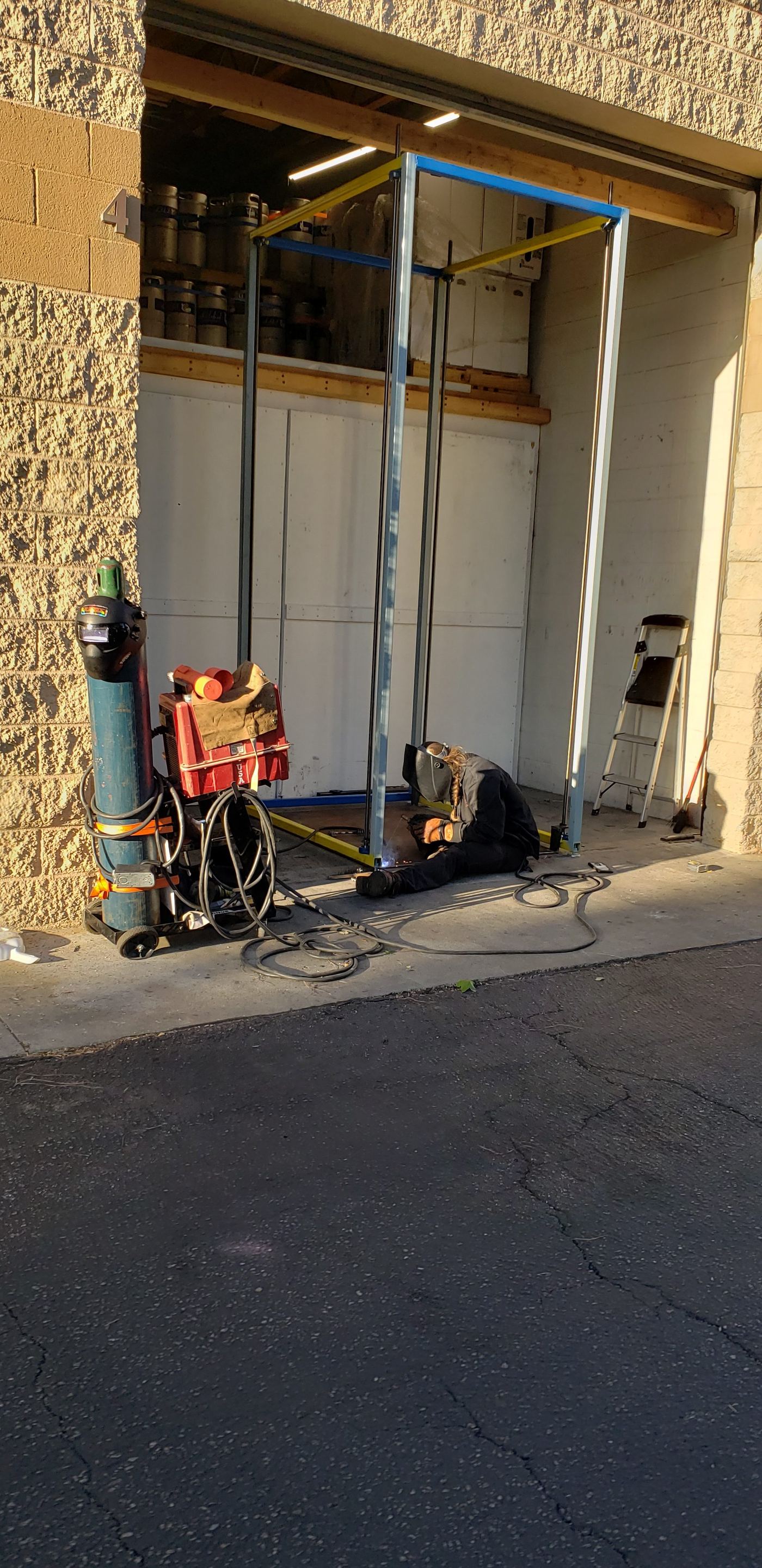
Building the Fridges
Cold storage is not optional in a beverage business, and buying it
is brutal. What we built ourselves would have cost about fifty
thousand dollars professionally. We did it for about five. It
also cost roughly a quarter as much to run on the power bill,
thanks to retrofitted Energy Star rated AC units standing in for
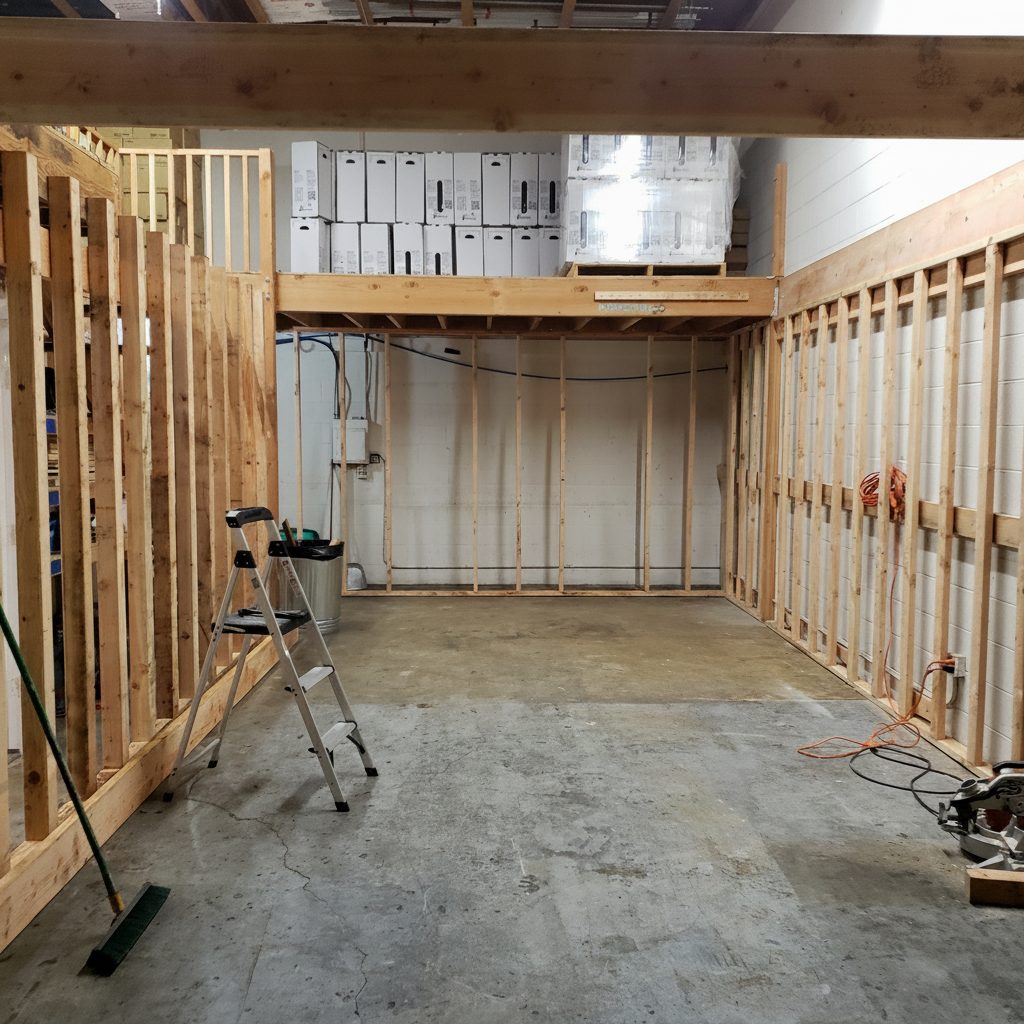
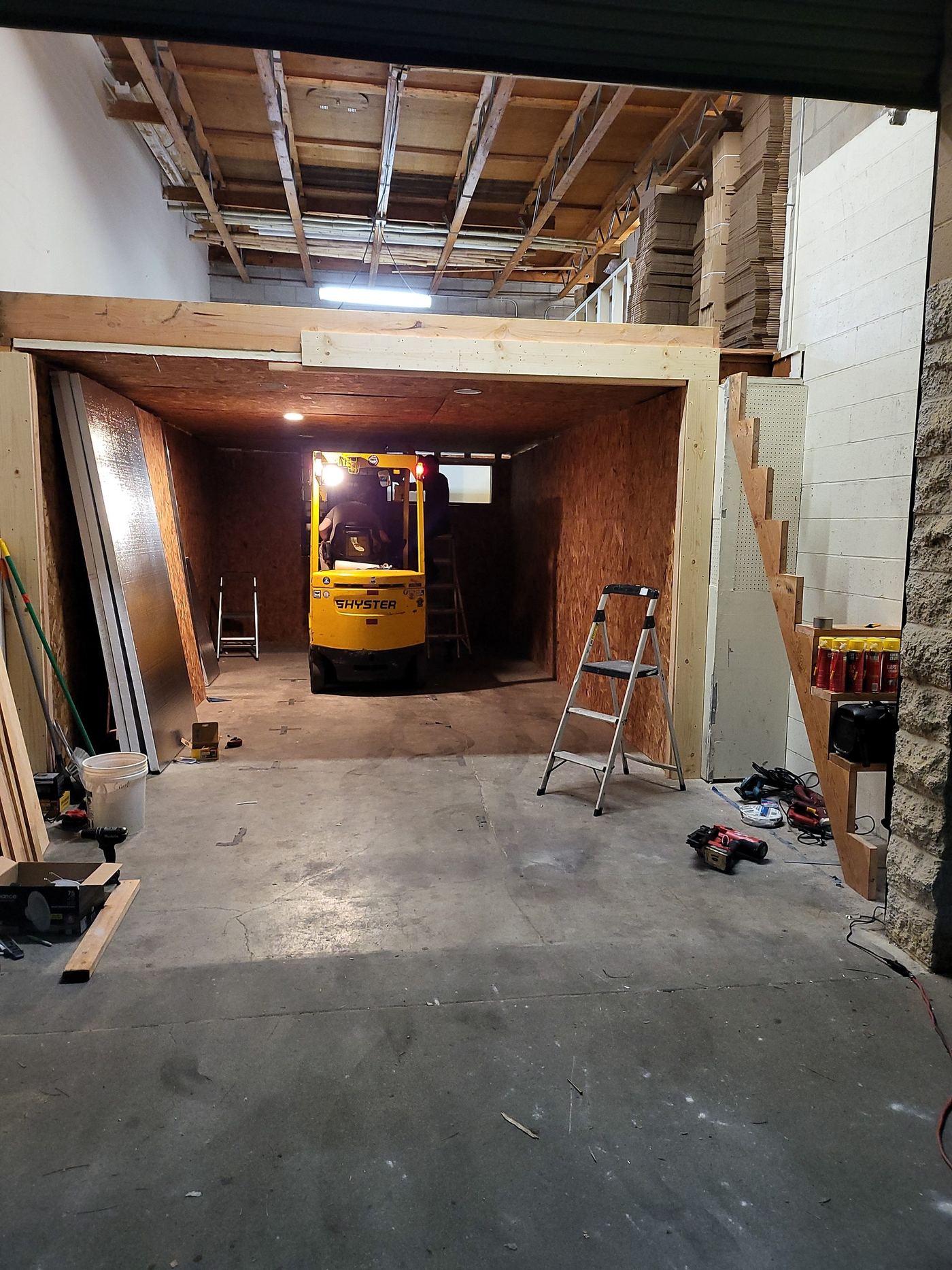
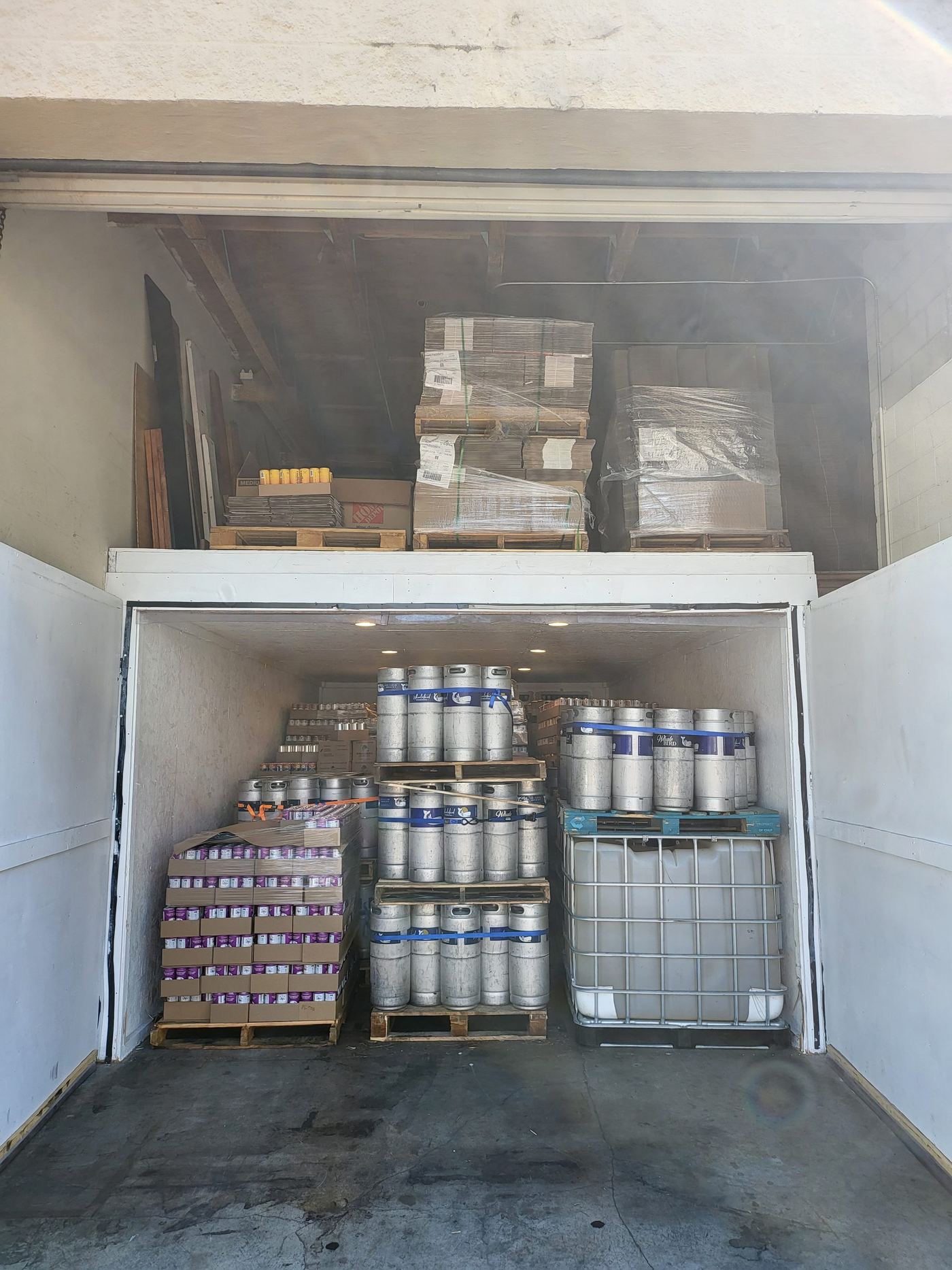
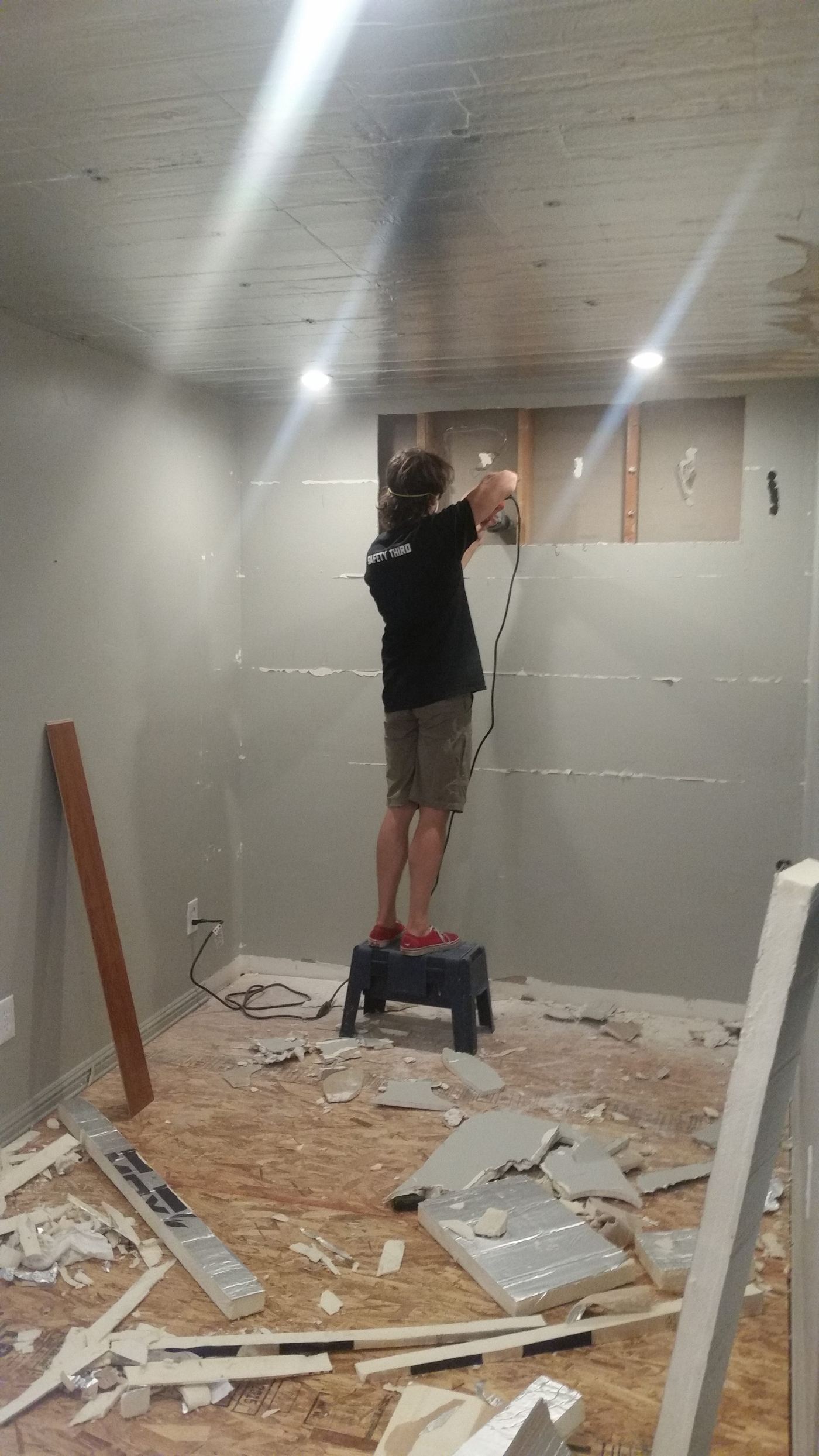
standard industrial equipment. So we kept building them. Two of
the five became drive-in coolers big enough for a forklift,
framed and insulated from scratch, with smaller cold rooms added
as needed.
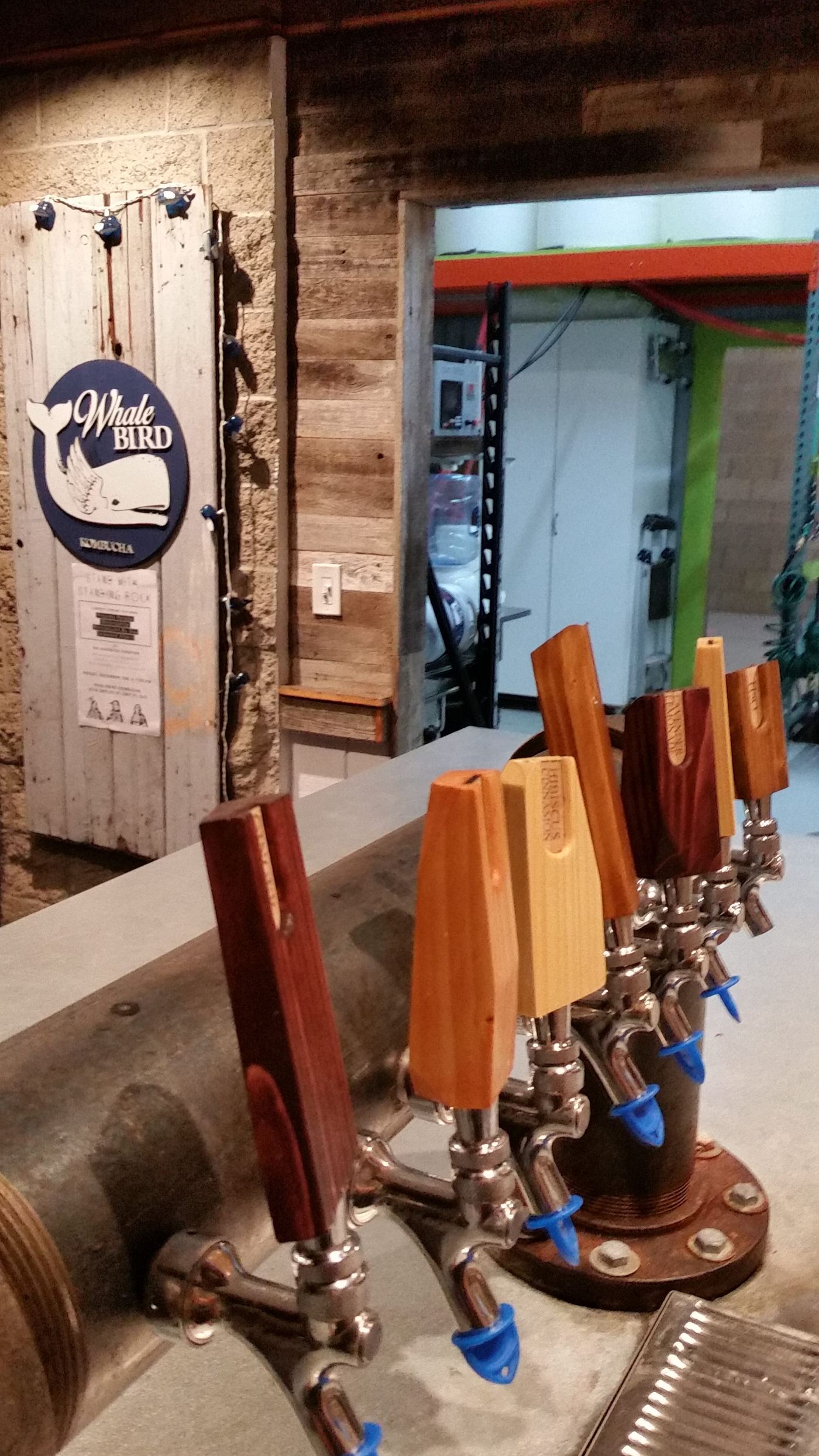
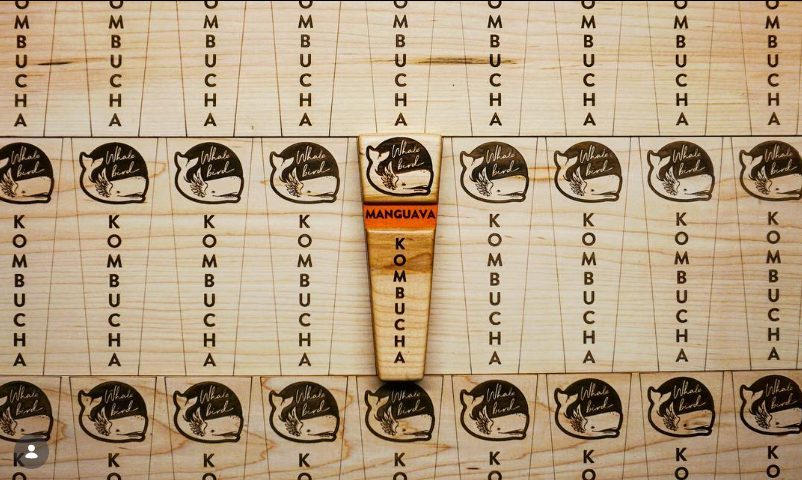
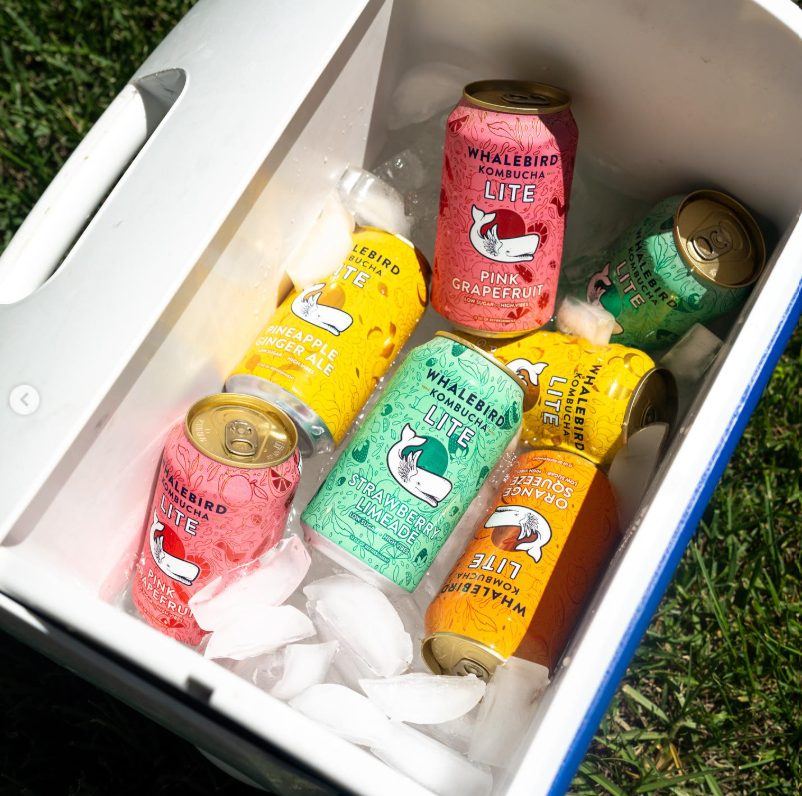
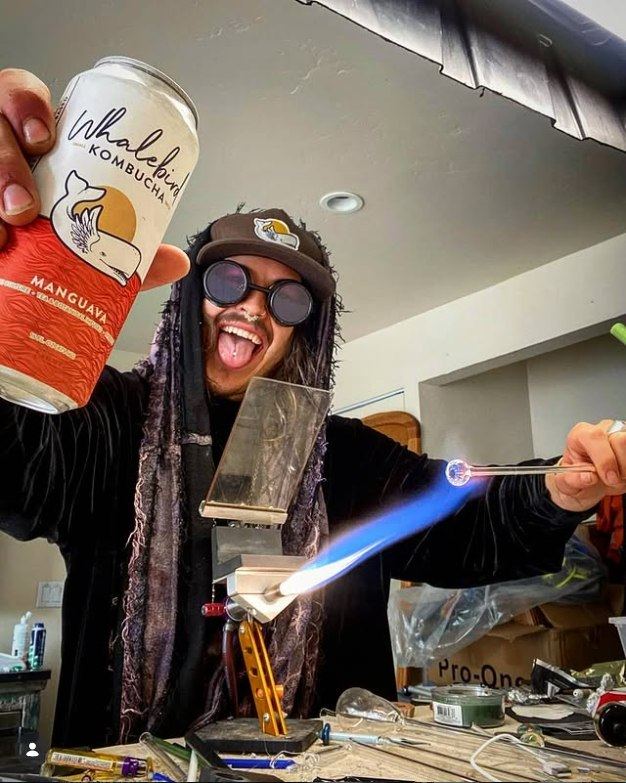
Custom Merch and Branding
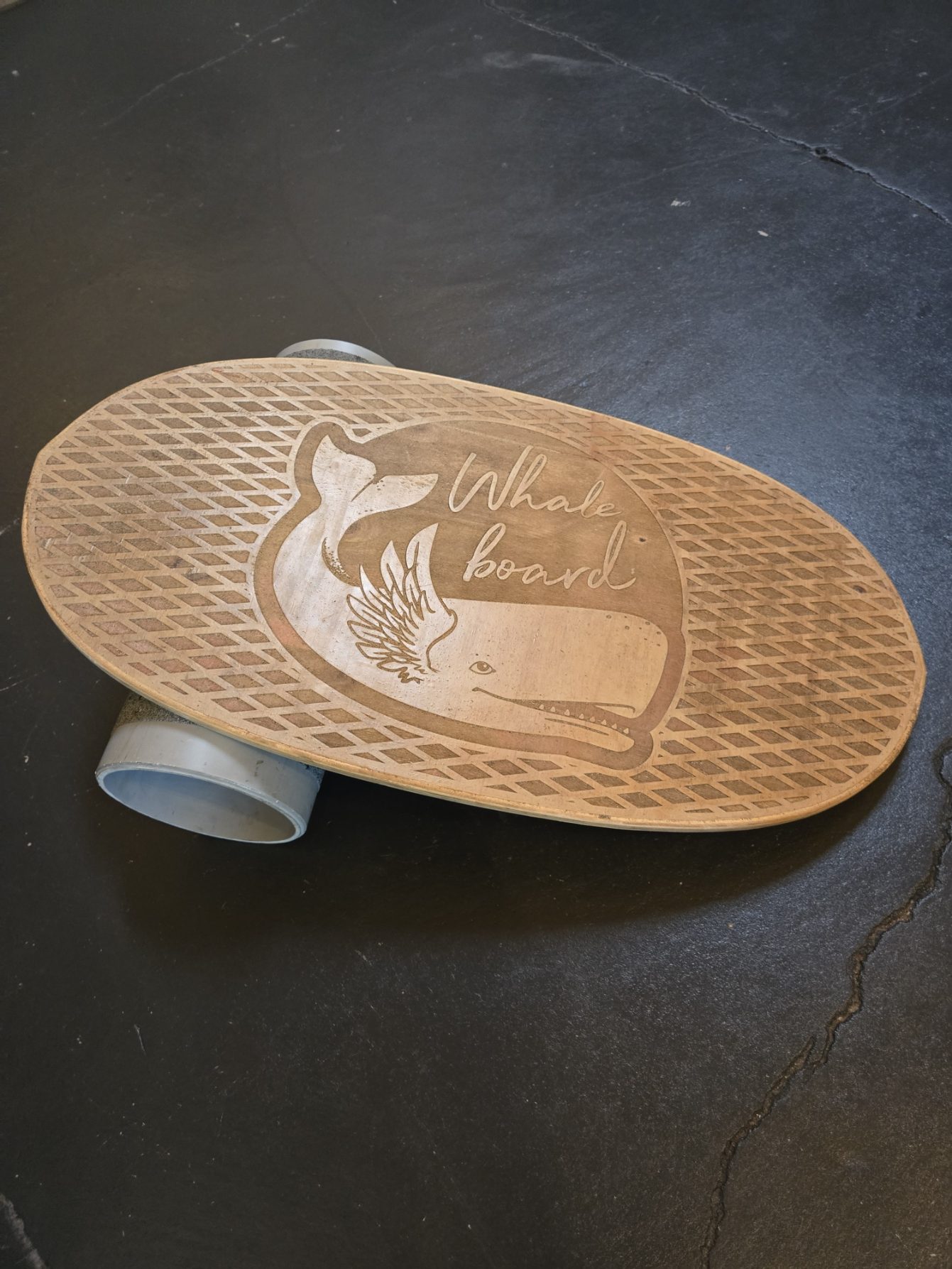
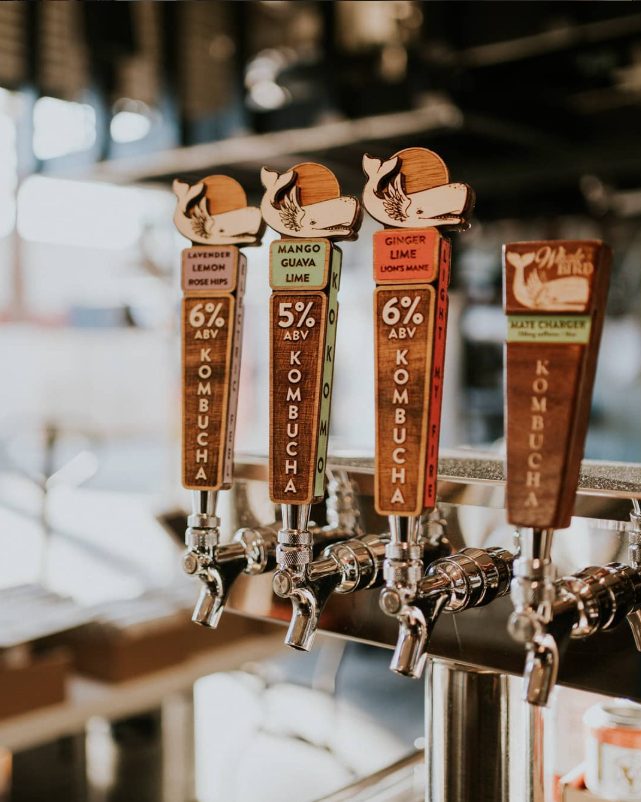
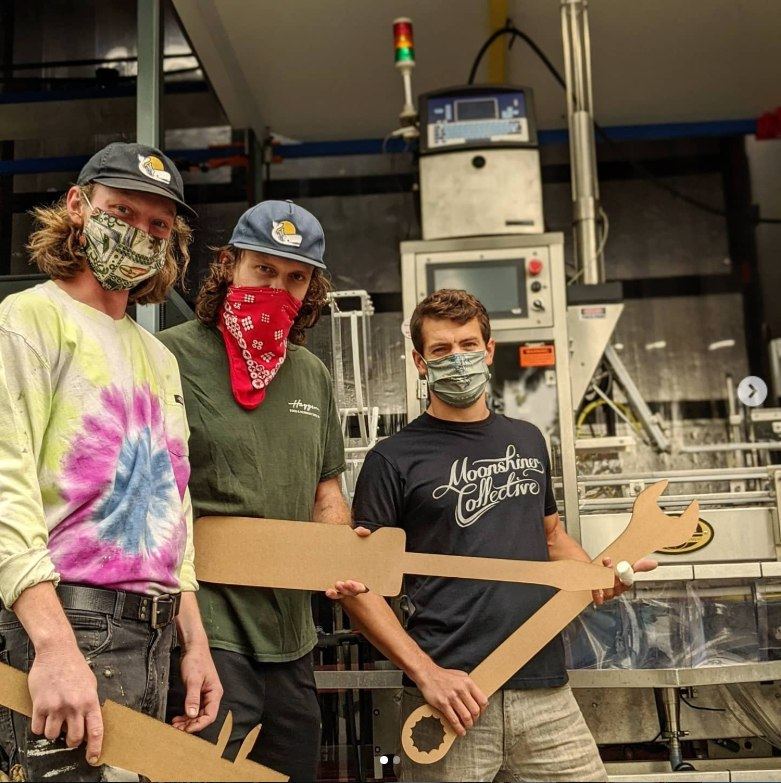
As a small company, we never wanted our merch to look like cheap,
cookie cutter swag from a big brand. So instead of buying it, we
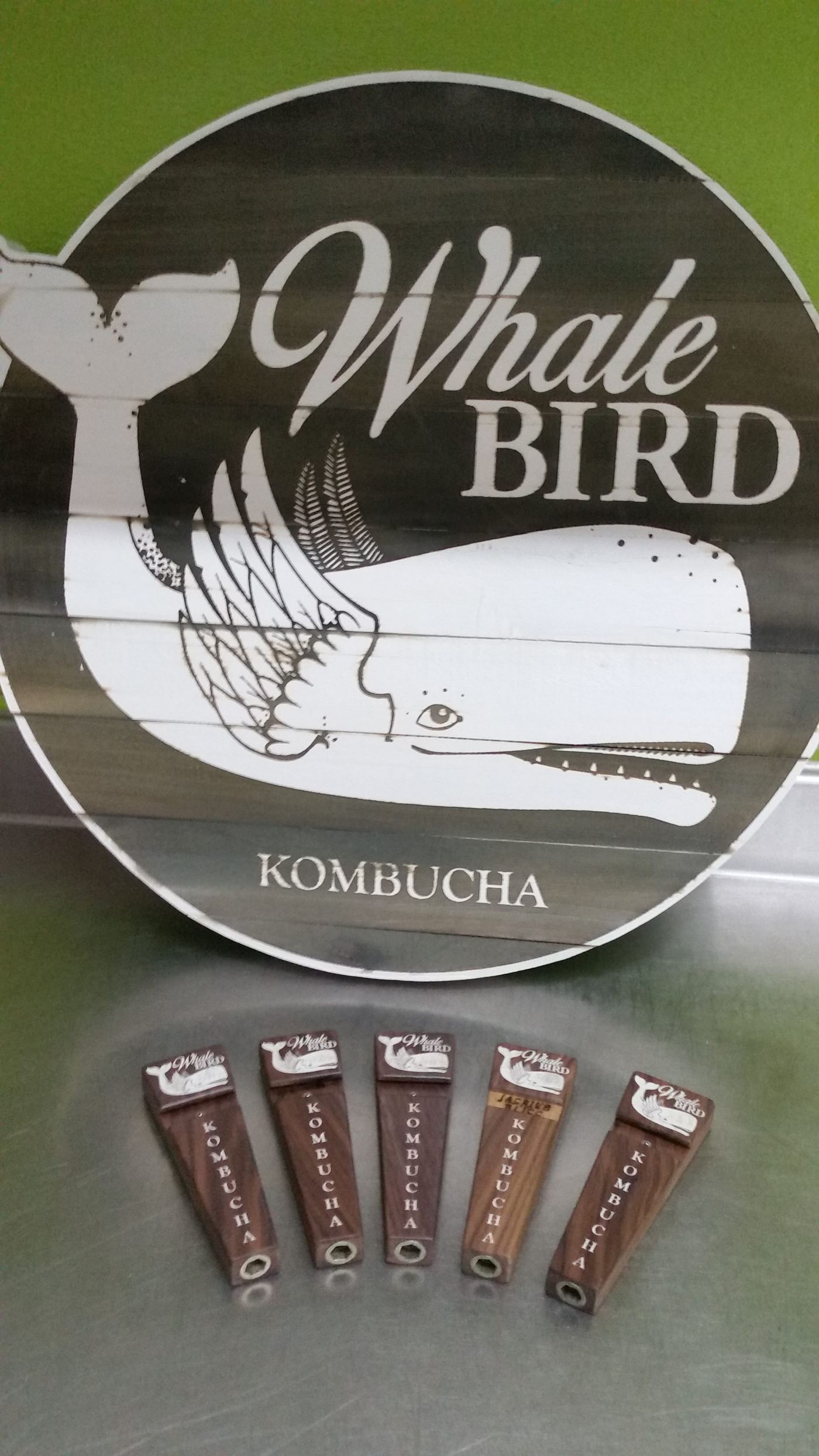
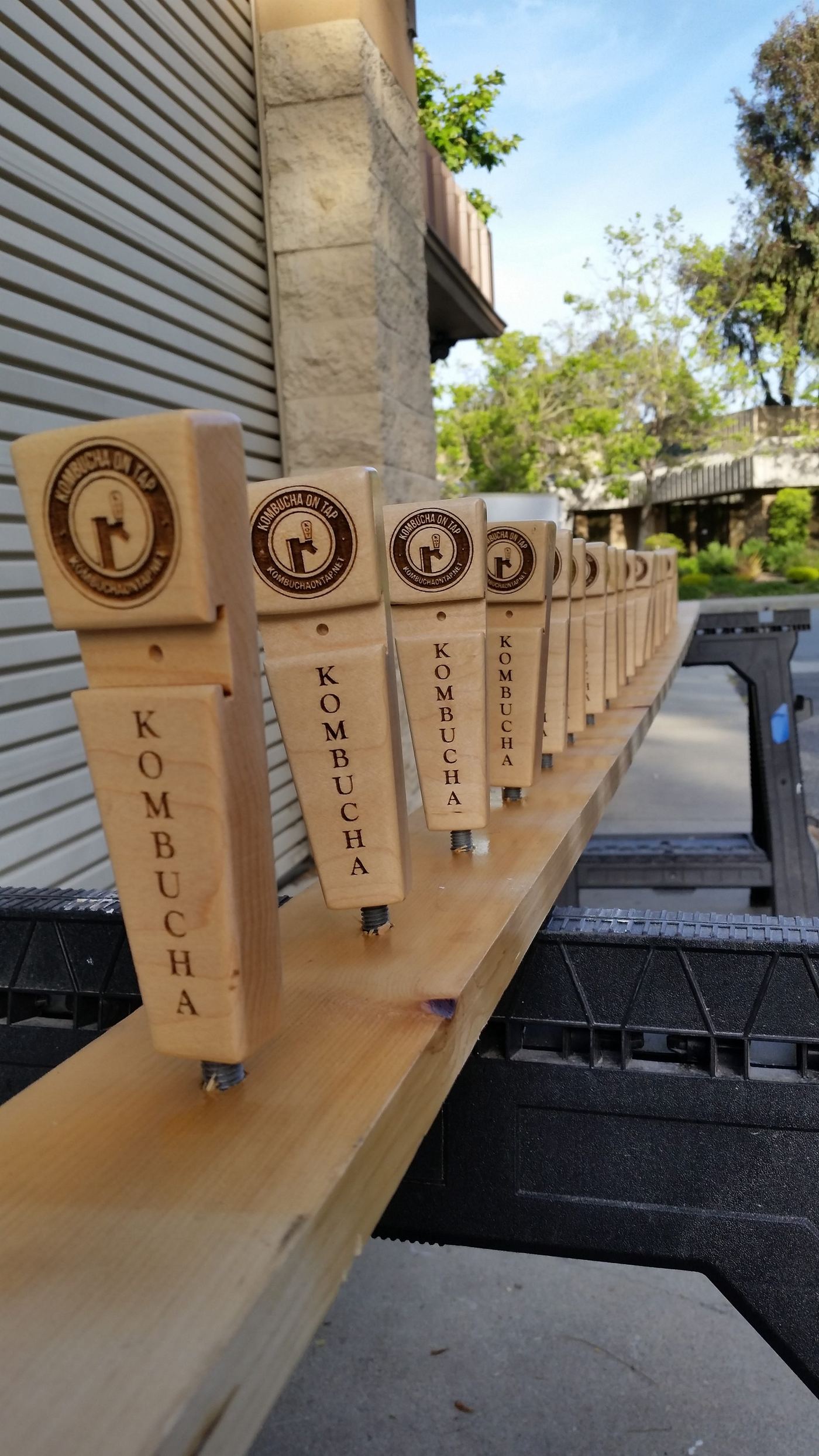
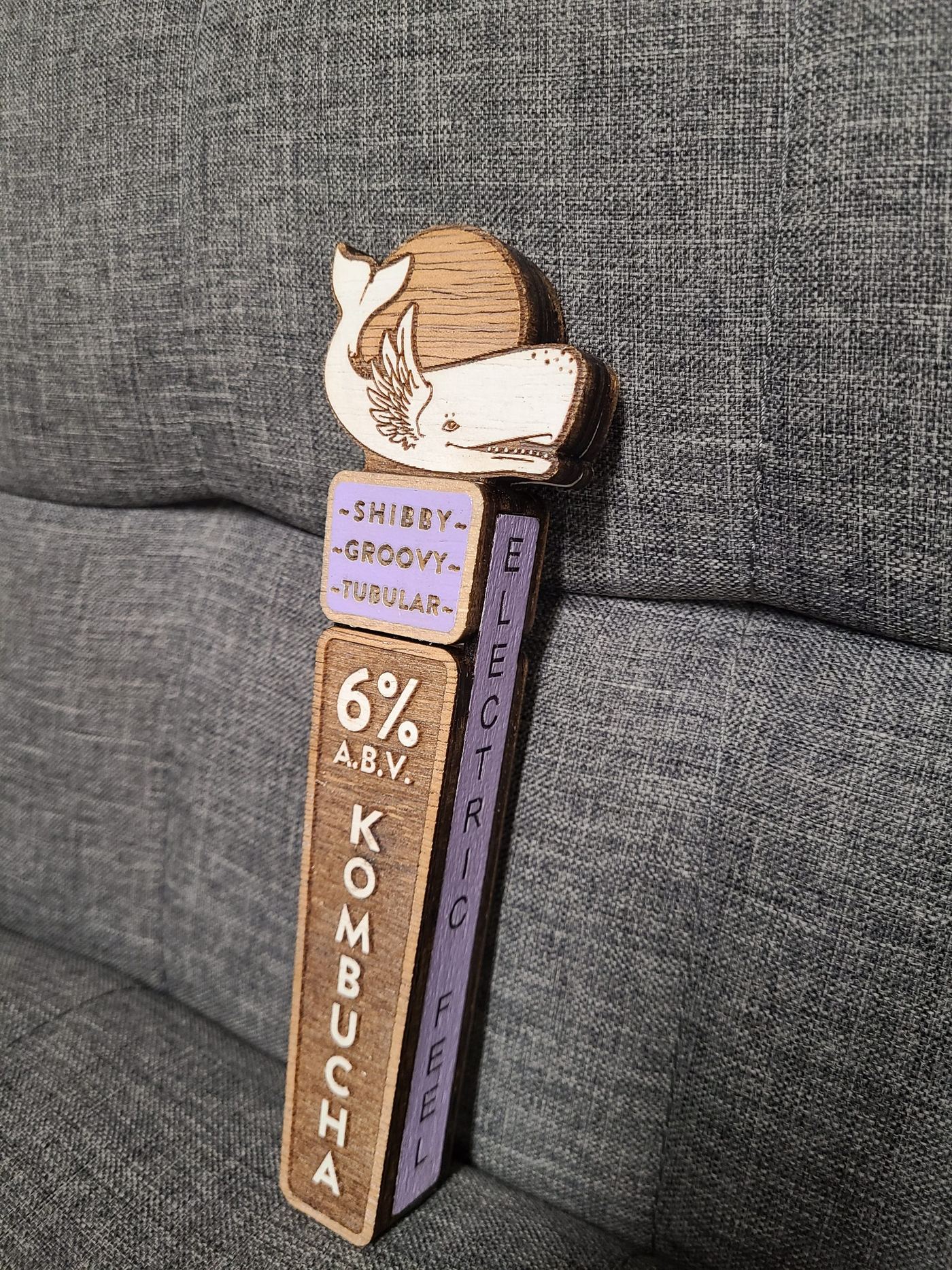
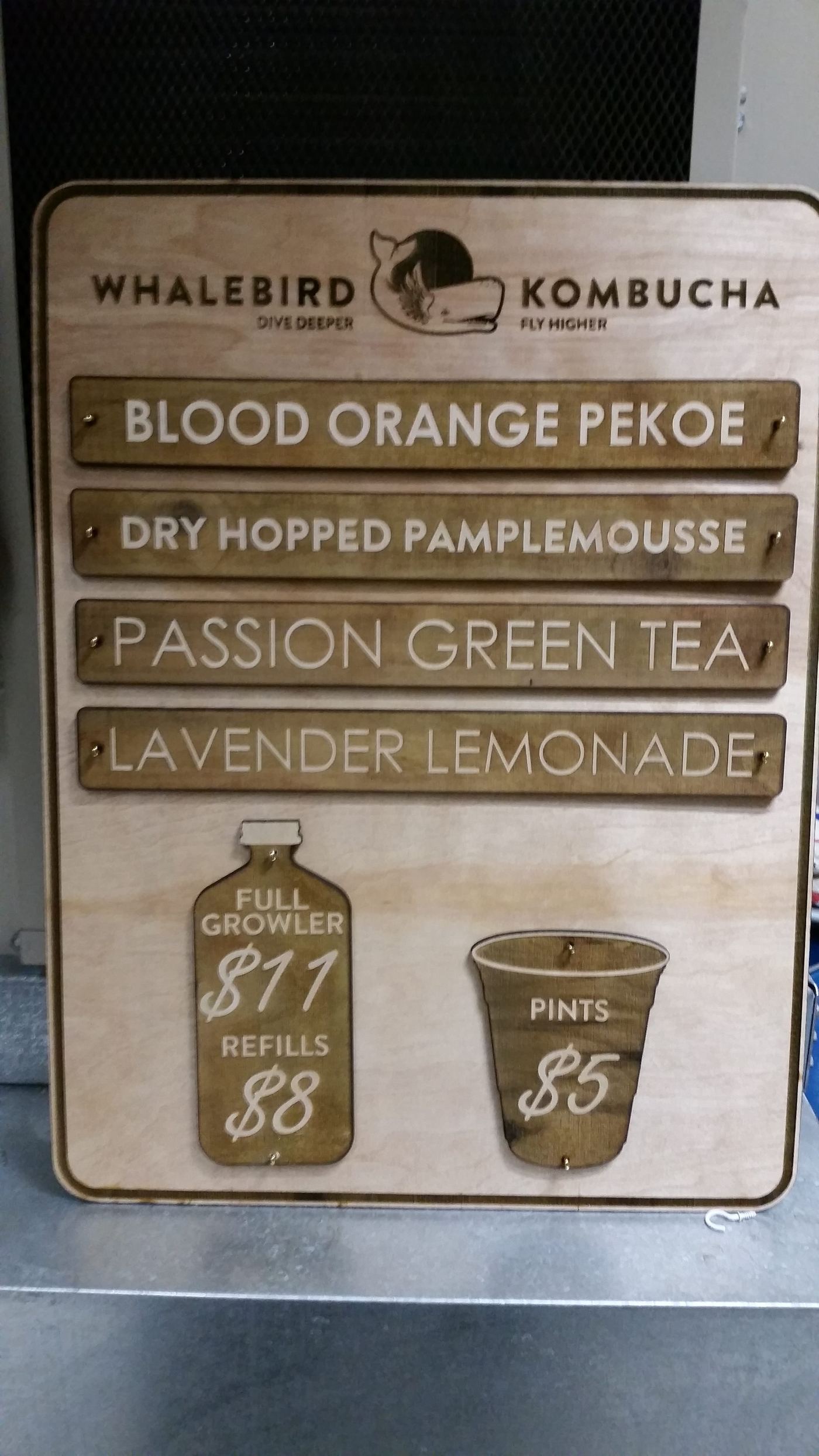
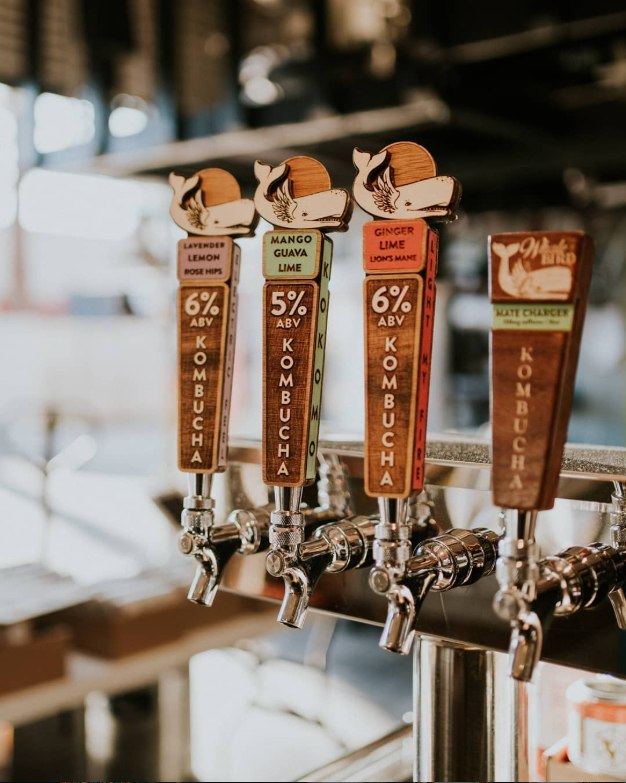
invested in a laser and built most of it ourselves. We made tap
handles and custom displays. Then came a kiosk, signage, and
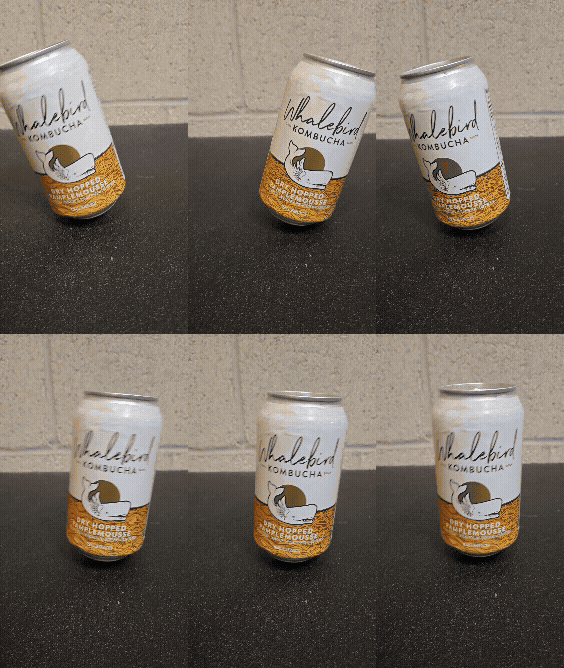
hats, not just for the taproom. My favorite piece was a weeble
wobble, a can that rights itself when tipped over. I 3D printed
a die, shaped the bottom of a real can with it, then filled it
with weights and resin.
When COVID Hit
Then COVID hit and very nearly ended us overnight. We had built the
business around kegs and refillable growlers sold to grocery stores
and office buildings, a zero waste model we actually believed in.
When the world stopped trusting reusable containers, we lost about
seventy percent of our sales in a single day, and our distributor
went out of business shortly after. Canning was the obvious
answer. We had already dabbled with a few small, handheld canning
machines, but survival meant scaling up fast.
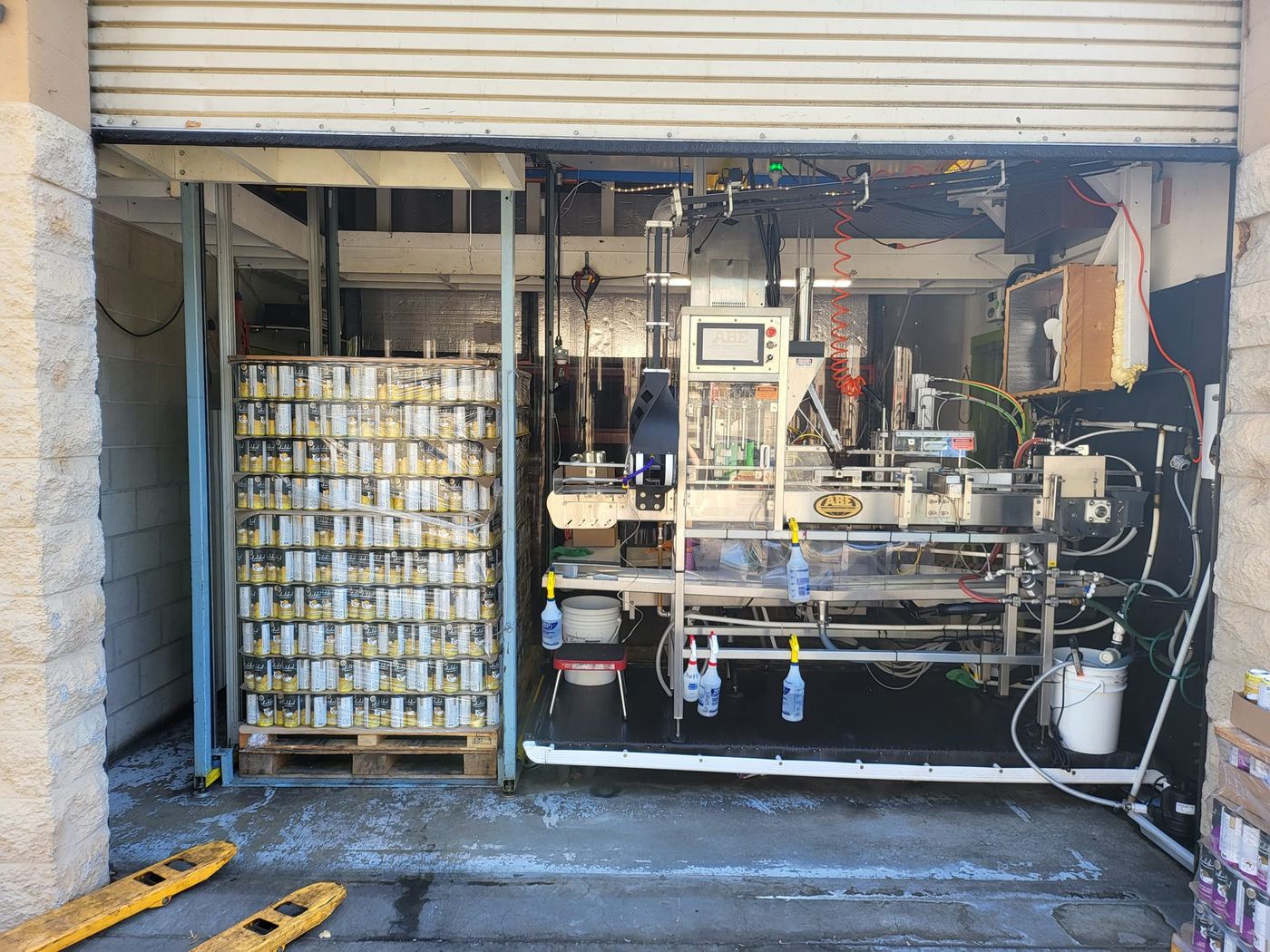
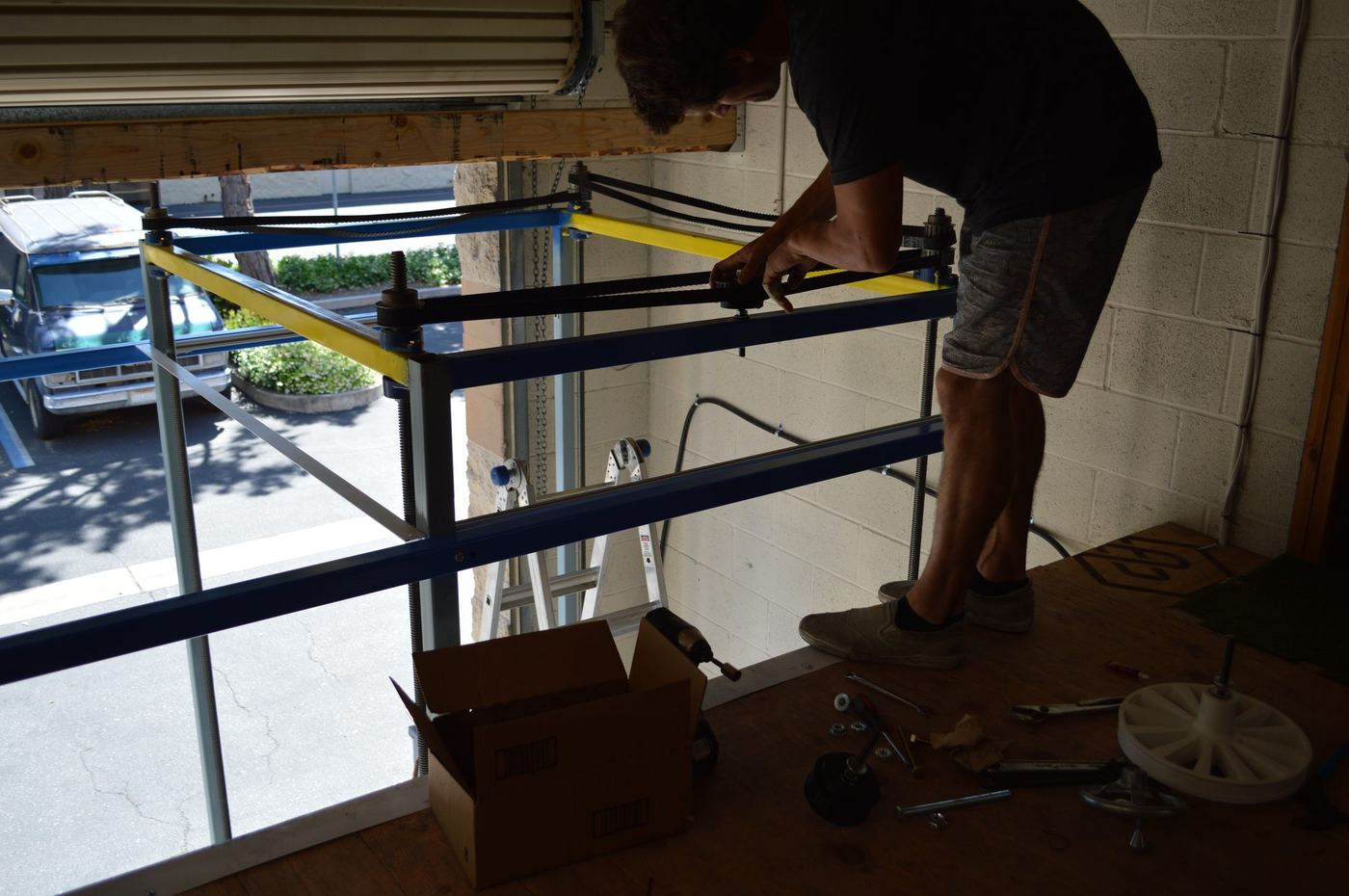
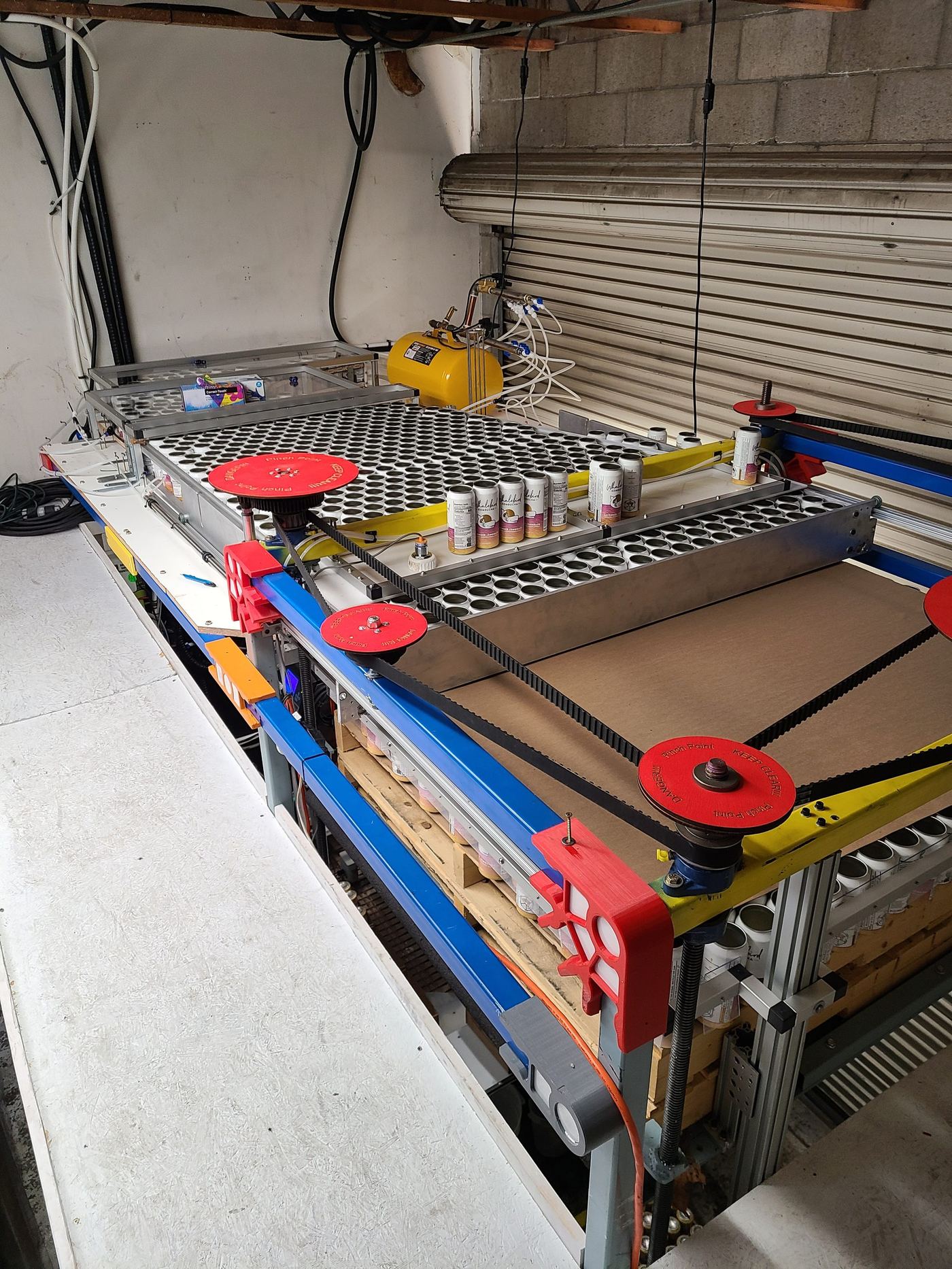
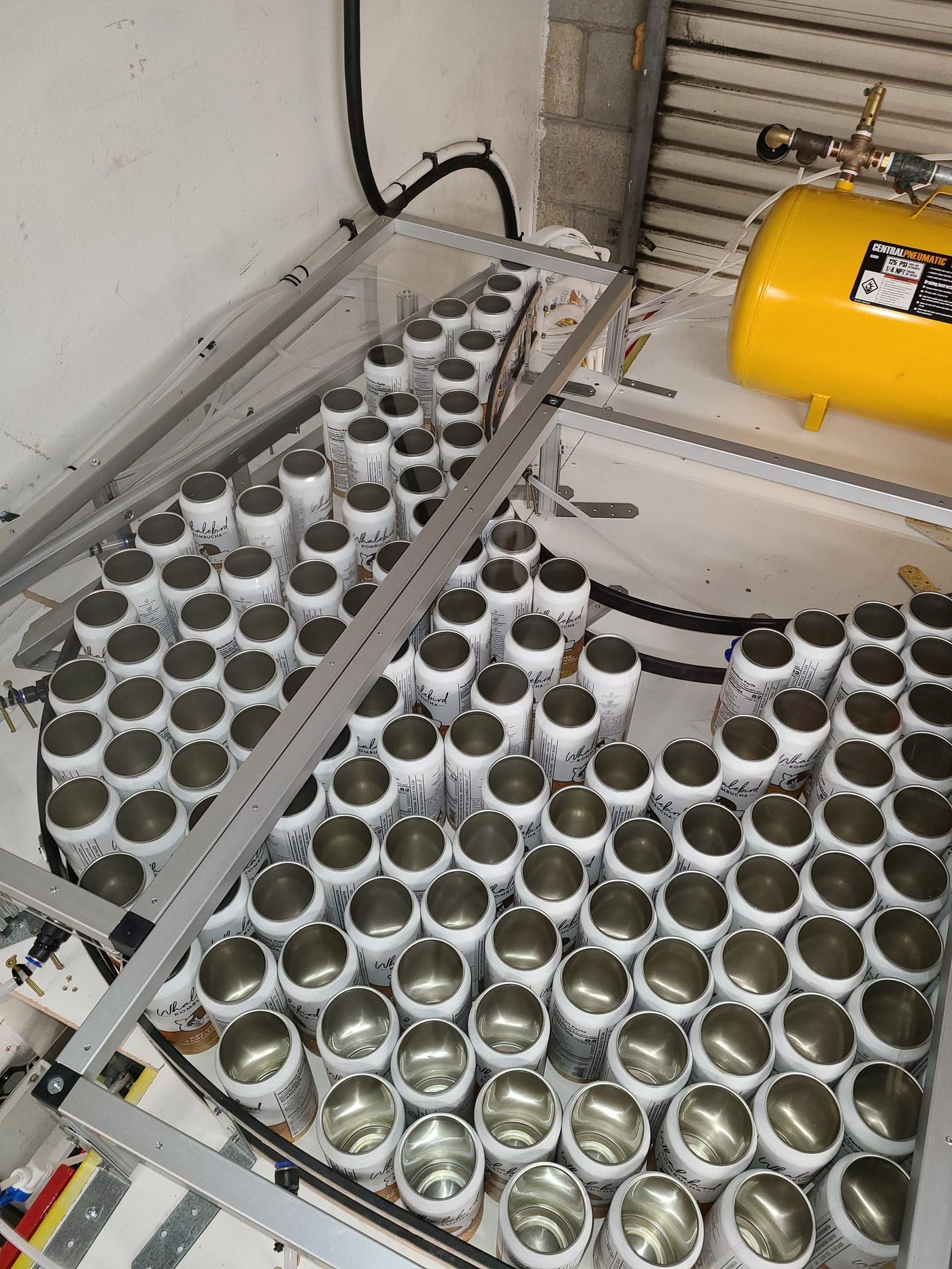
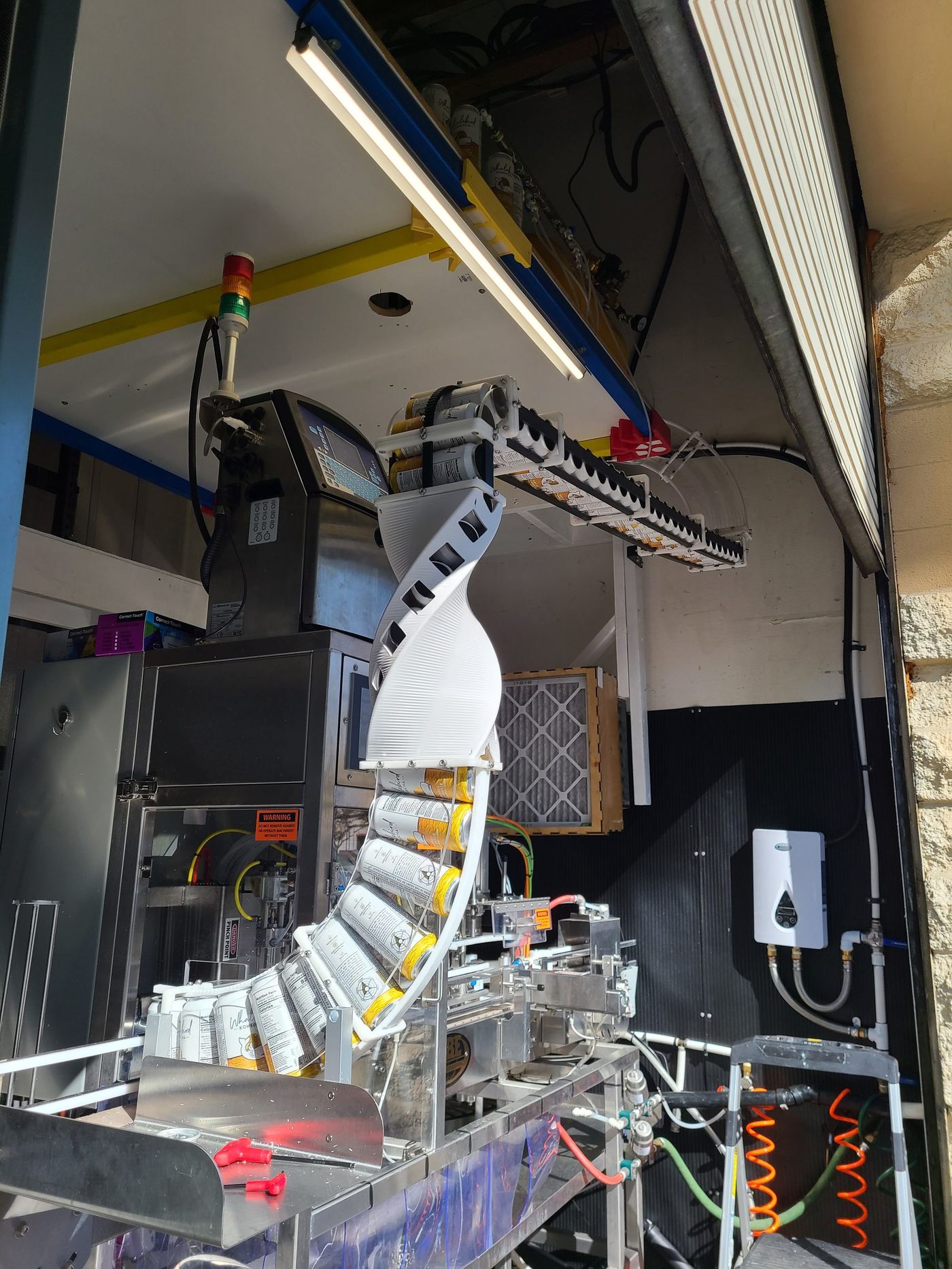
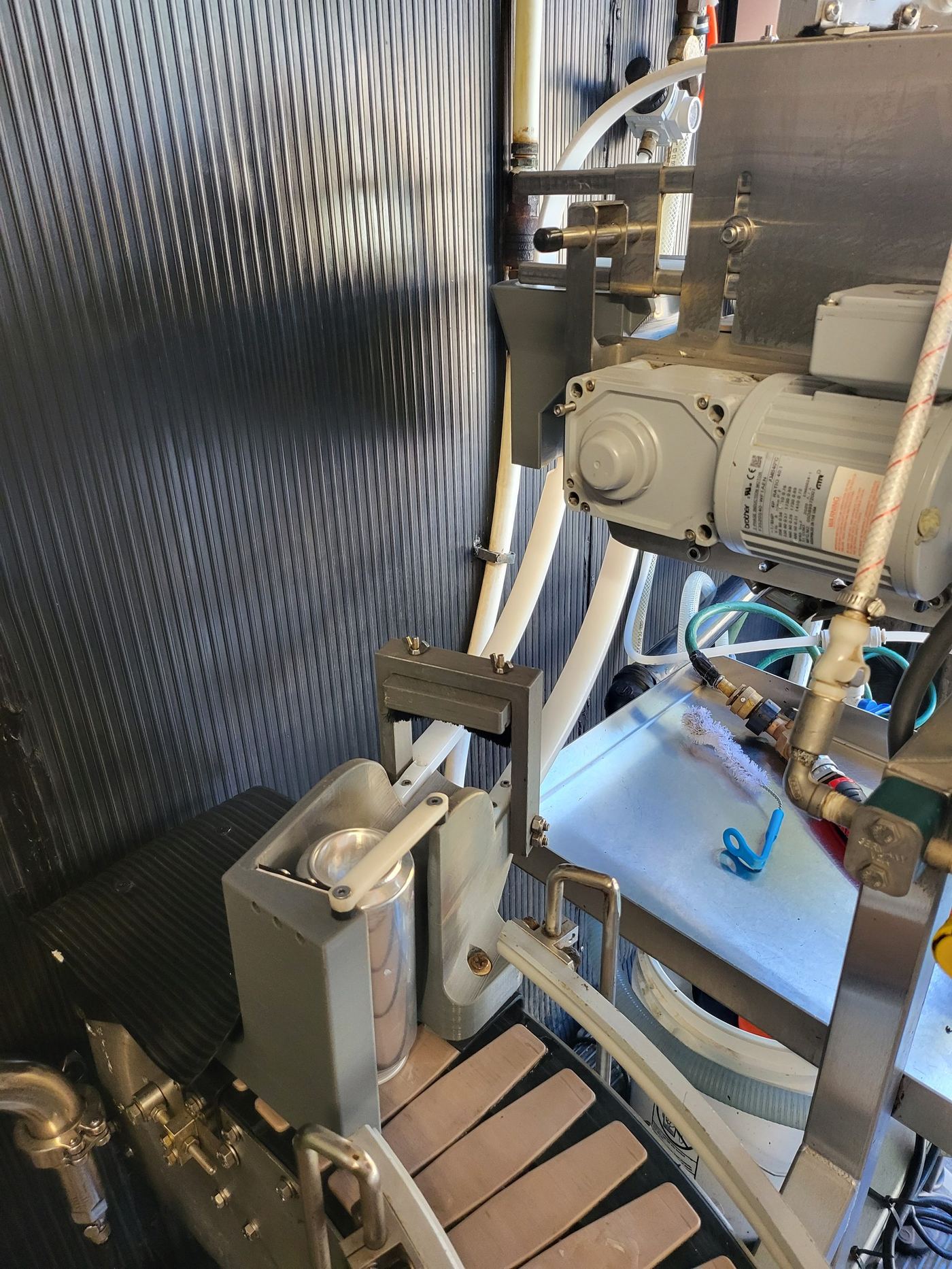
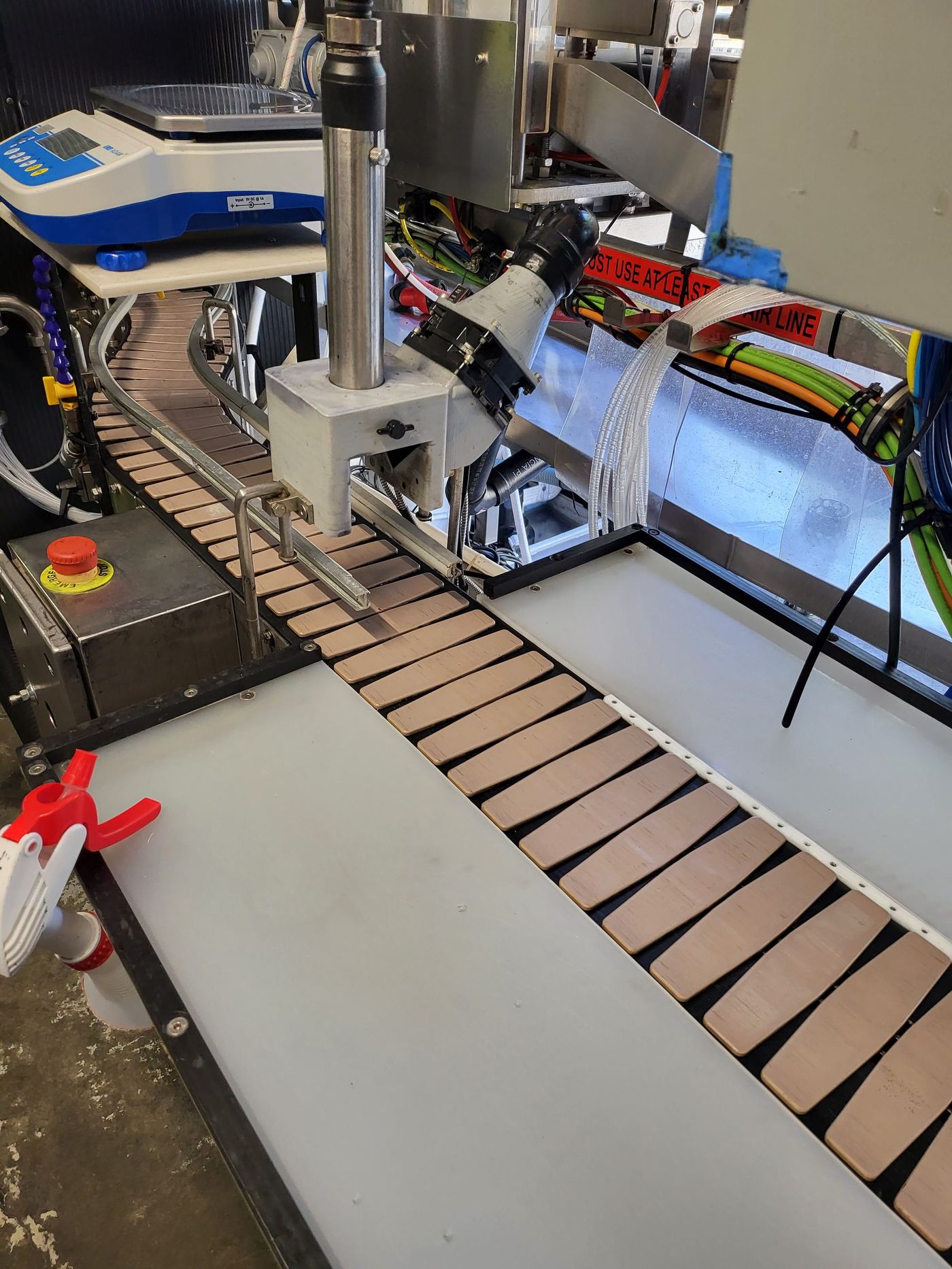
The Depalletizer
A traditional canning line needs about a forty foot run just to
single file cans before they are filled. We had fifteen feet. So I
built our own depalletizer in a zig zag layout instead, using timed
bursts of air to pop cans free from their nests. 3D printed parts
bridged every machine in the line, and an Acme screw turned by a
cheap drill drove the lift. It ran the whole line on a fraction of
the space and money.
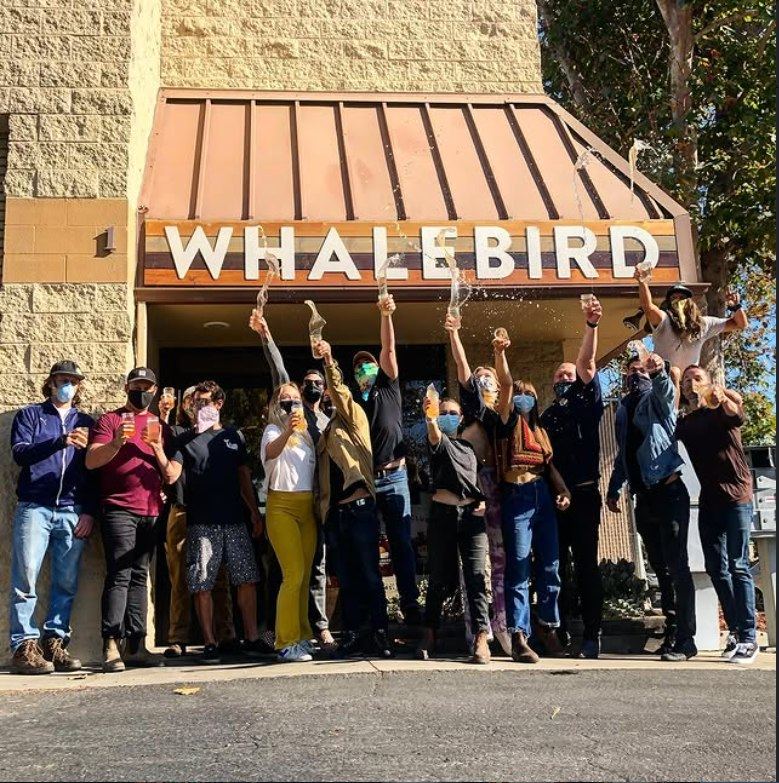
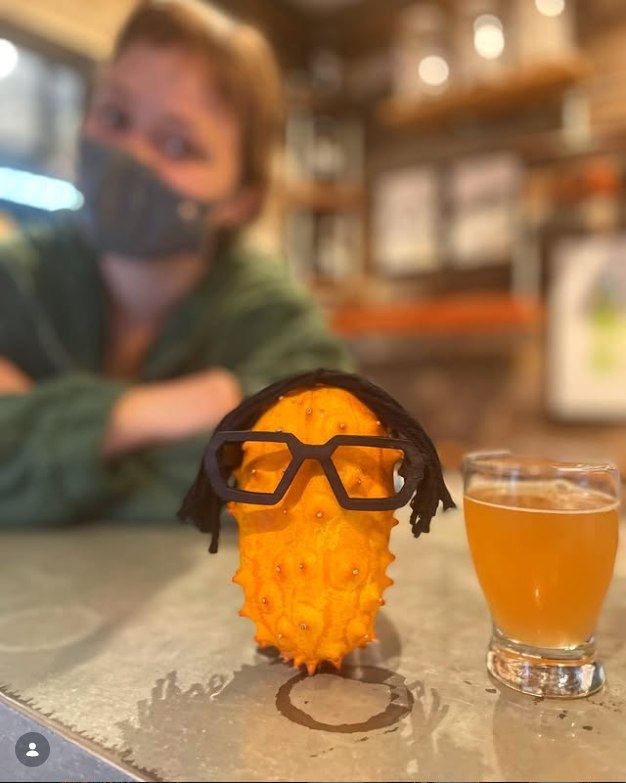
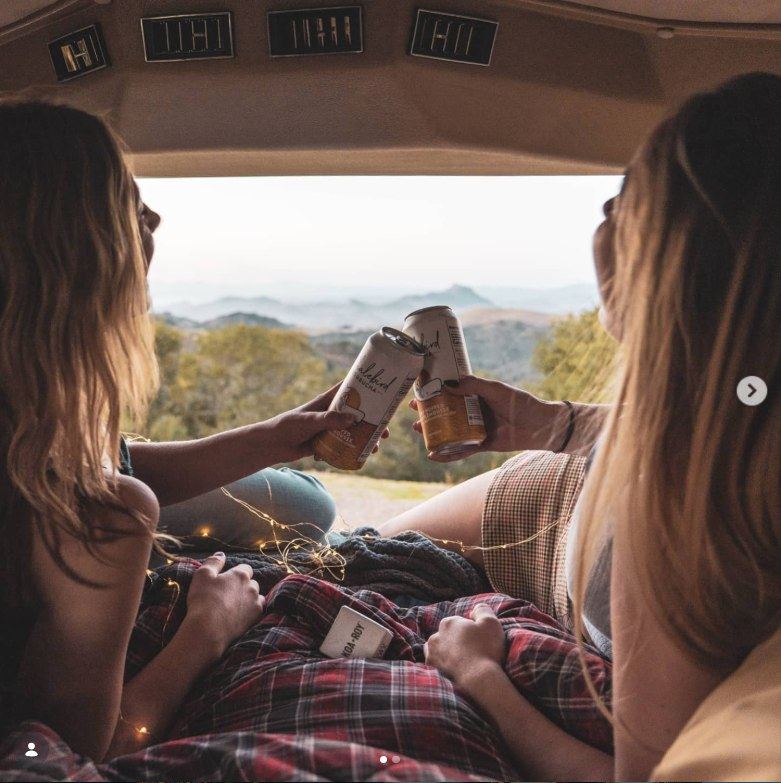
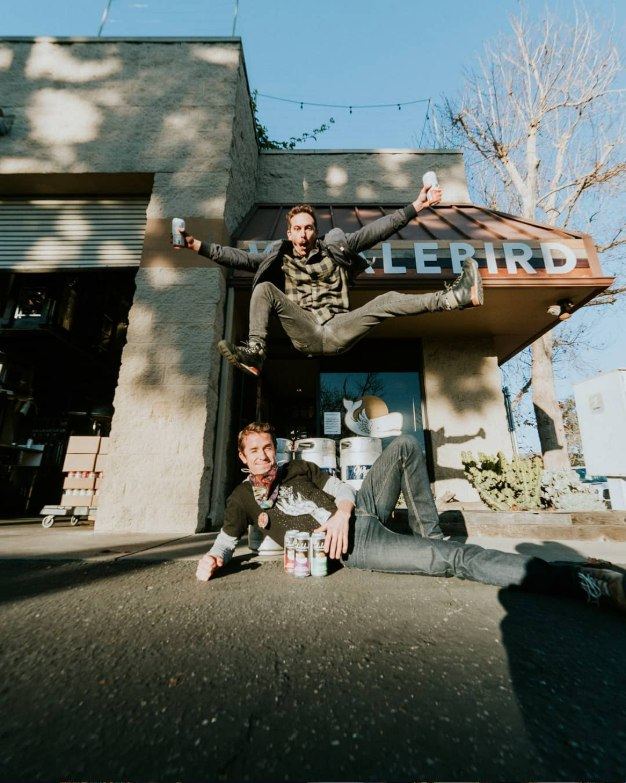
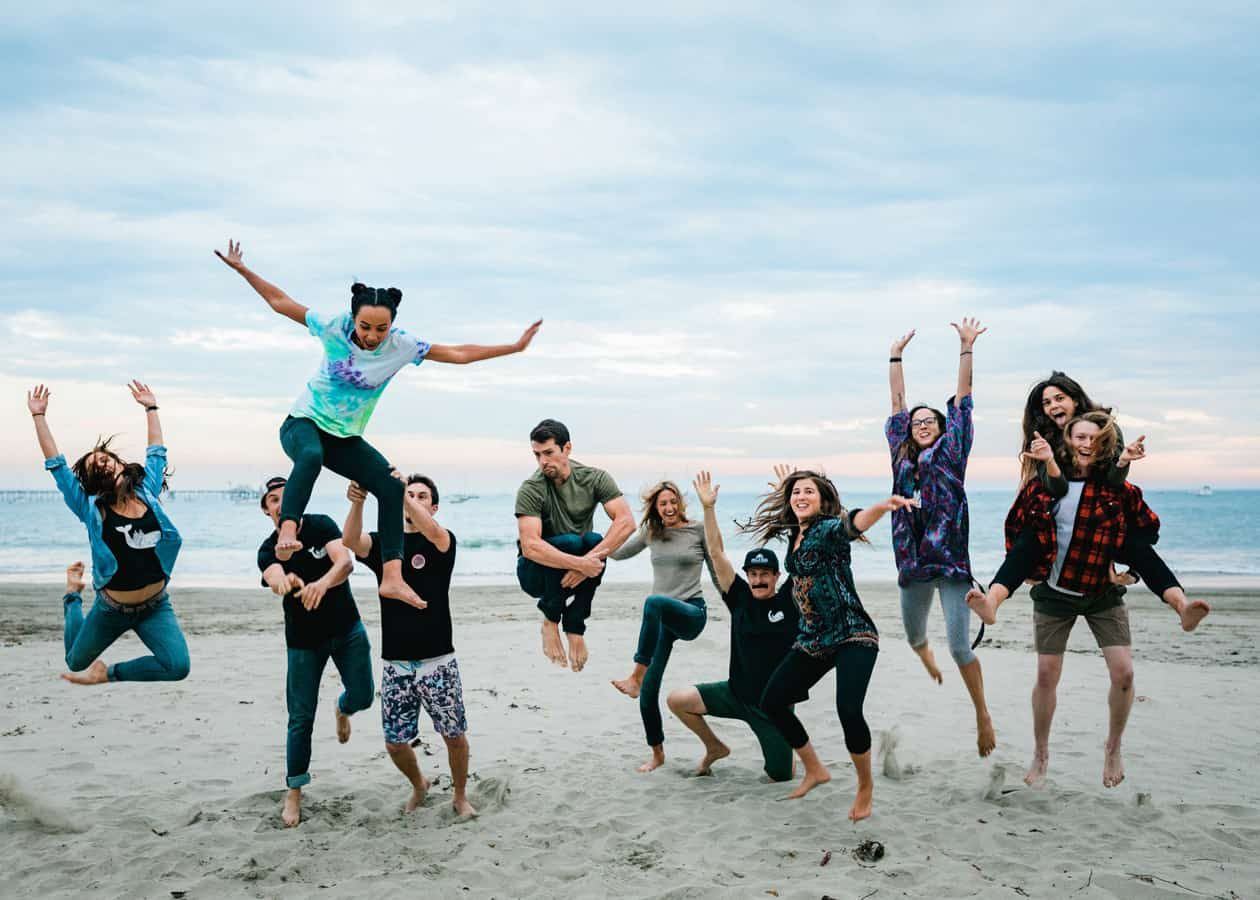
The Community We Built
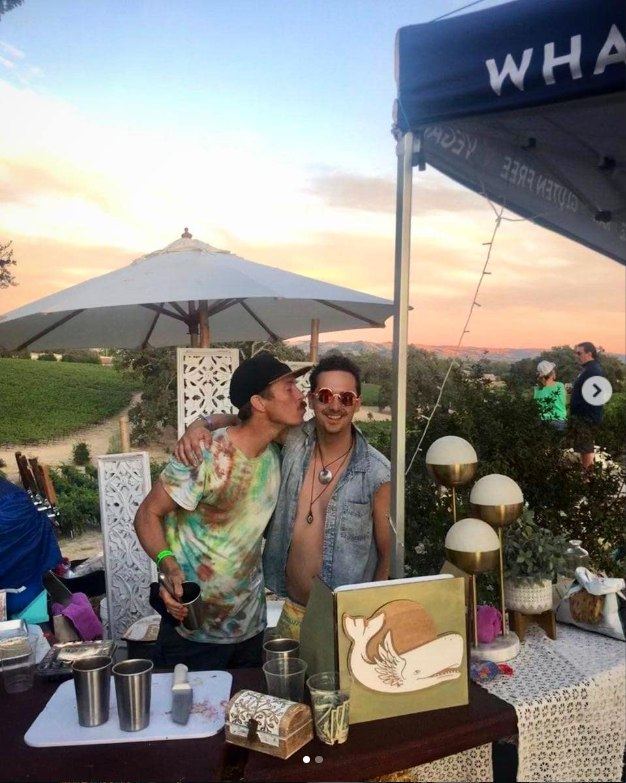
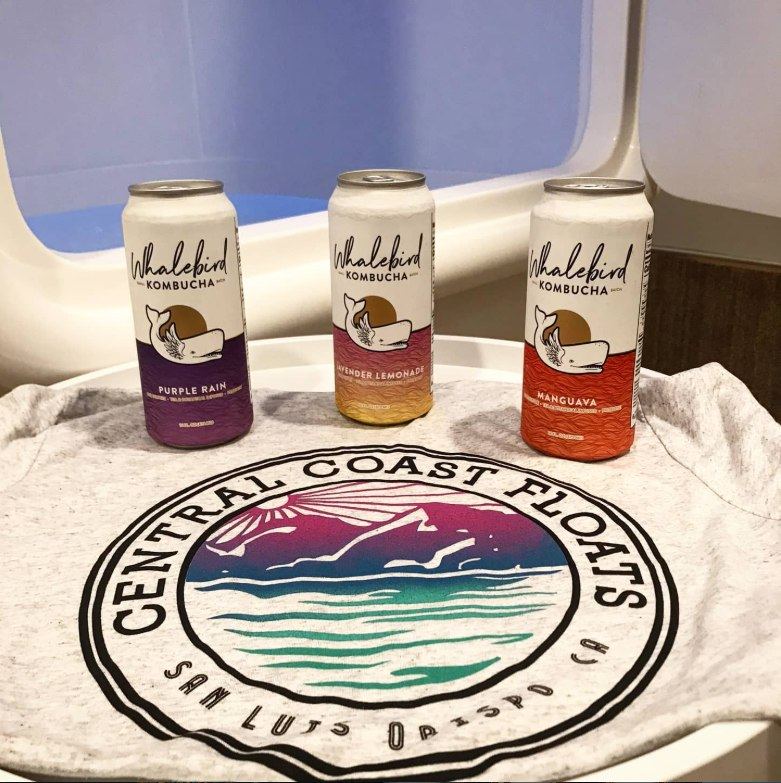
We wanted Whalebird to be a community-oriented brand, and we
earned our place in it. We showed up at the San Luis Obispo
farmers market every week for as long as we were in business.
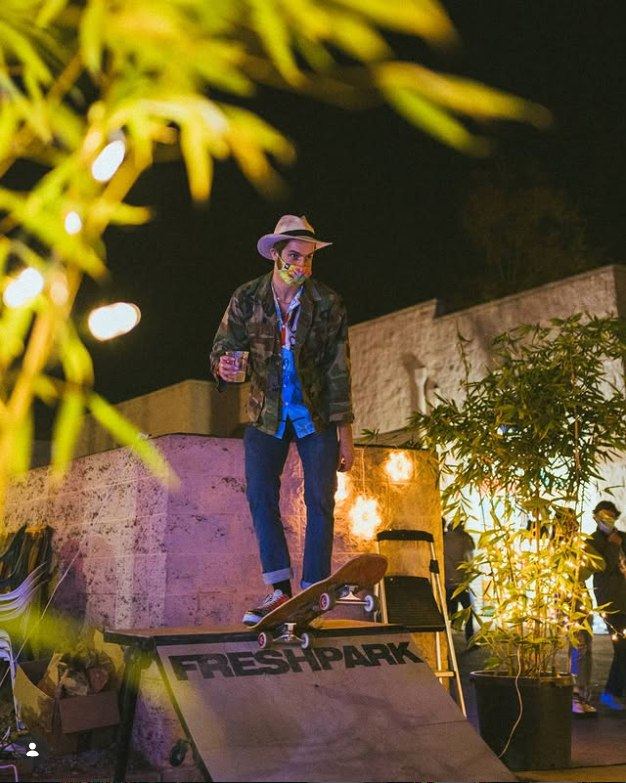
We hosted concerts, craft fairs, and Knowledge Nights, pairing
kombucha with a movie and conversation. We also showed up for
other people's events, organized beach cleanups, and threw
fundraisers for causes we cared about. We were early to earn
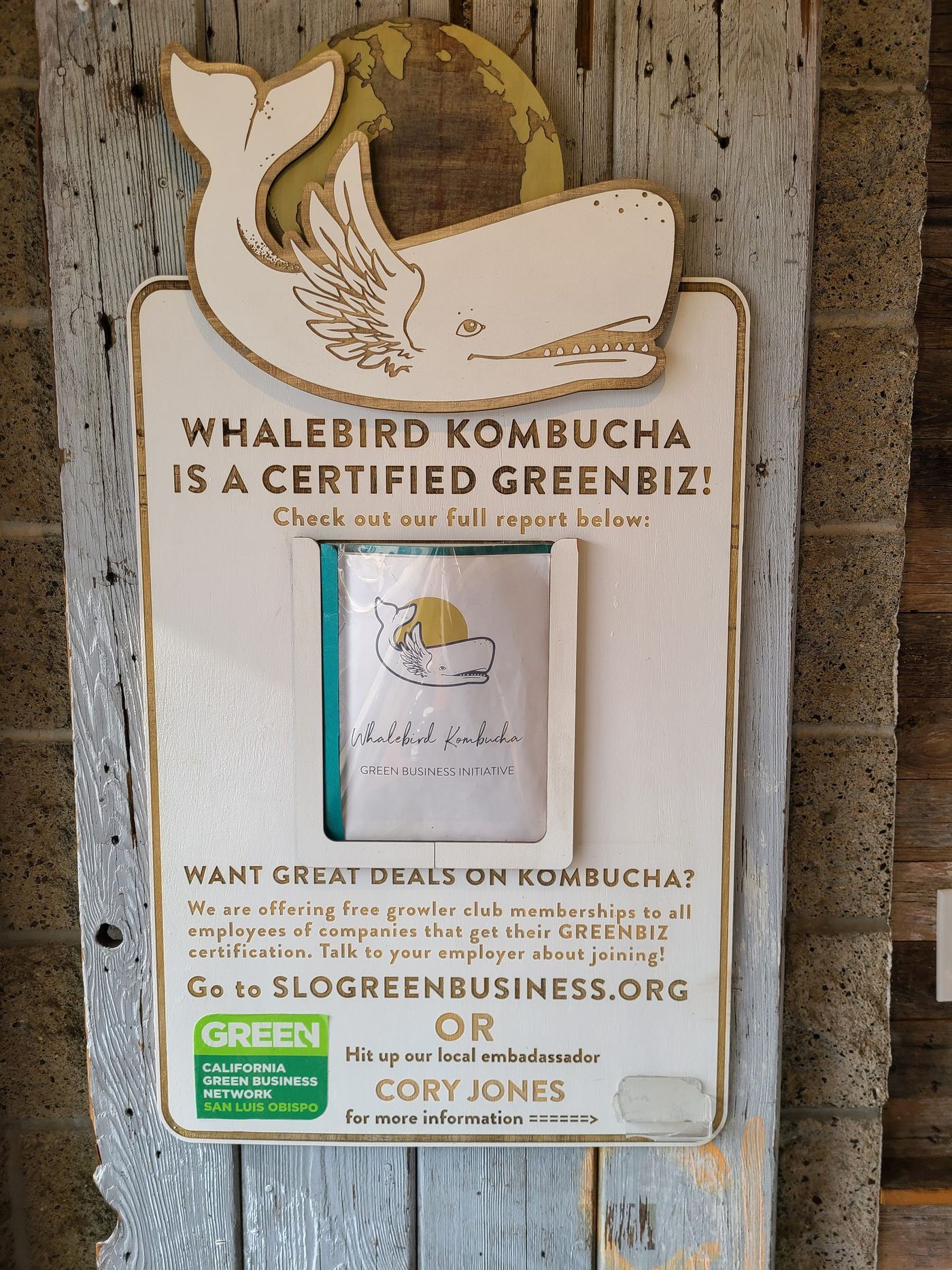
California's Green Business Certification. A collage from our
Instagram captures some of that.
COVID changed what the business needed. The taproom and growler model
that had carried us was the exact thing that stopped working, and
Whalebird shifted toward contract brewing at remote locations rather
than the footprint we had spent six years building. That was the right
move for the company, and it meant the job I was there to do, expanding
the facility and building it out, was no longer the job that needed
doing. So I stepped away in 2022. Whalebird kept going and has since
been sold. Six years, five buildings, and a group of employees and
customers who made all of it worth doing.
Startup · 03
WISErg
2010 – 2013 · Lead Engineer · Redmond, WA
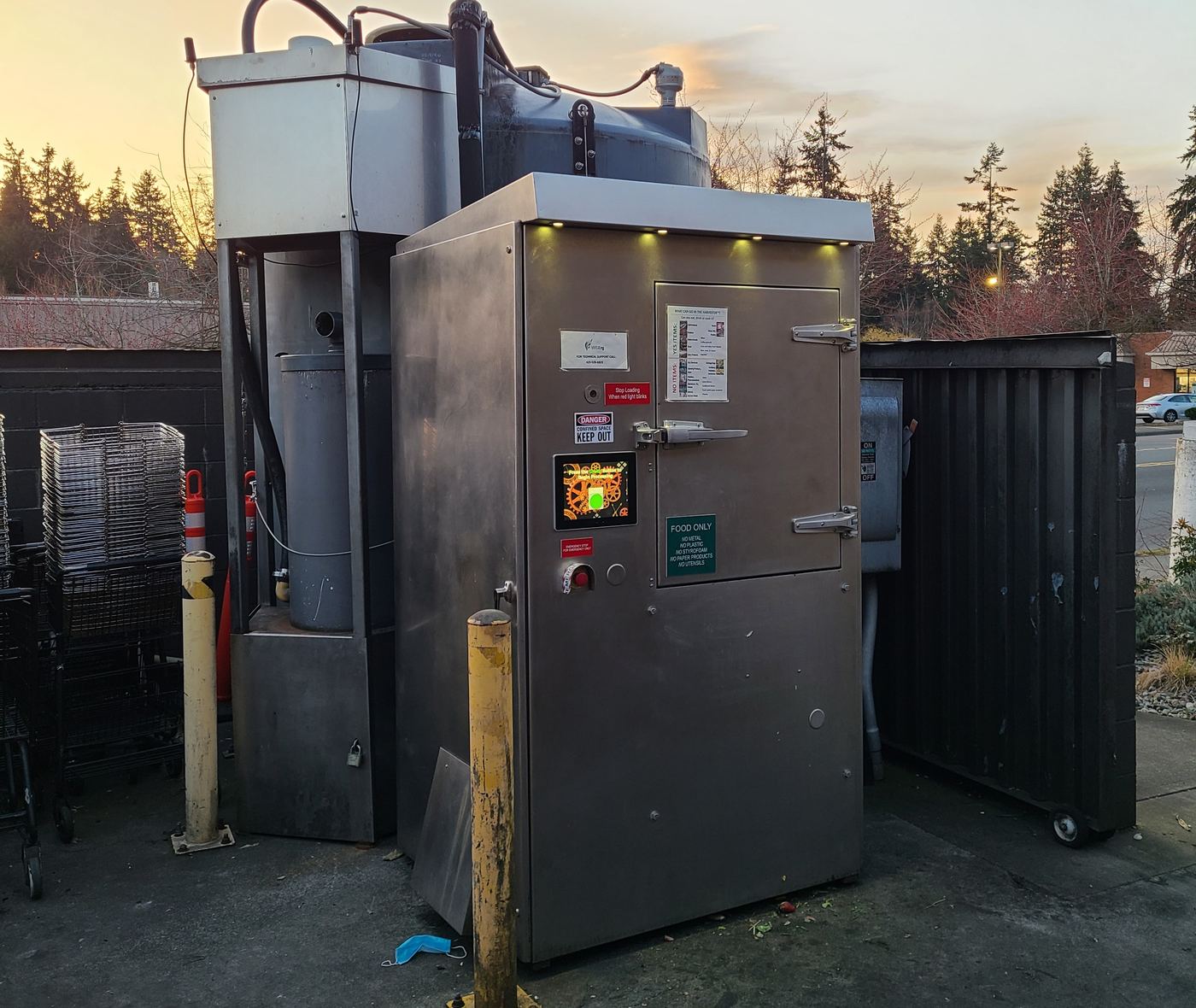
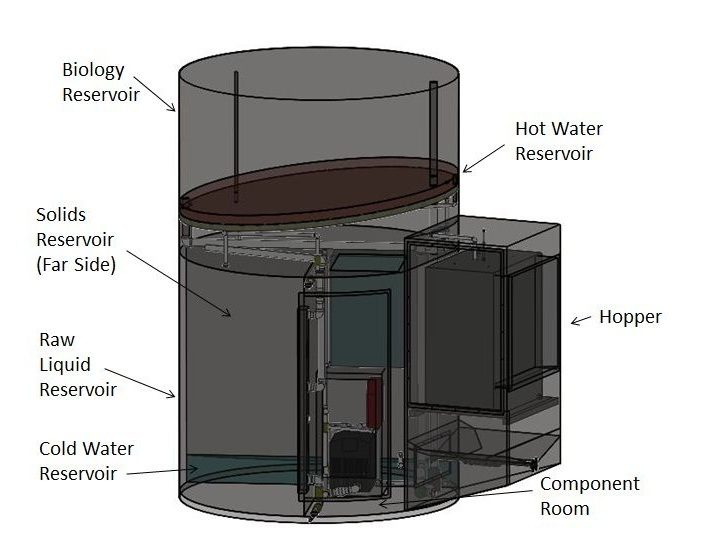
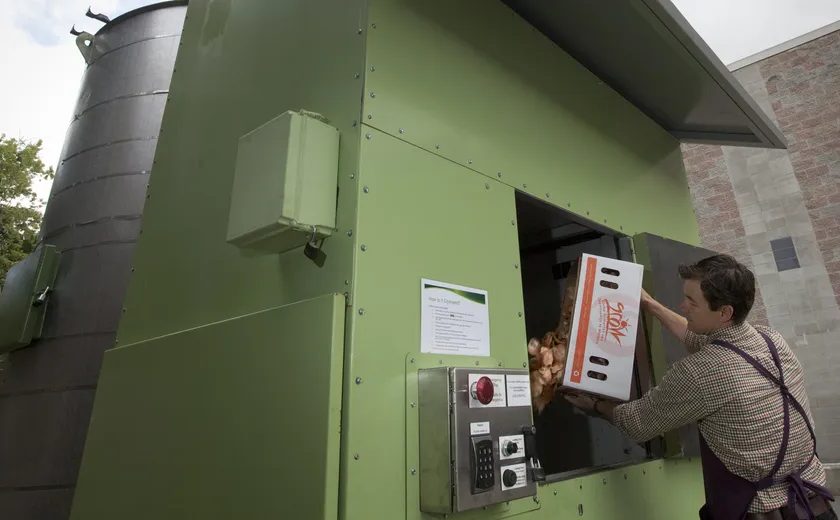
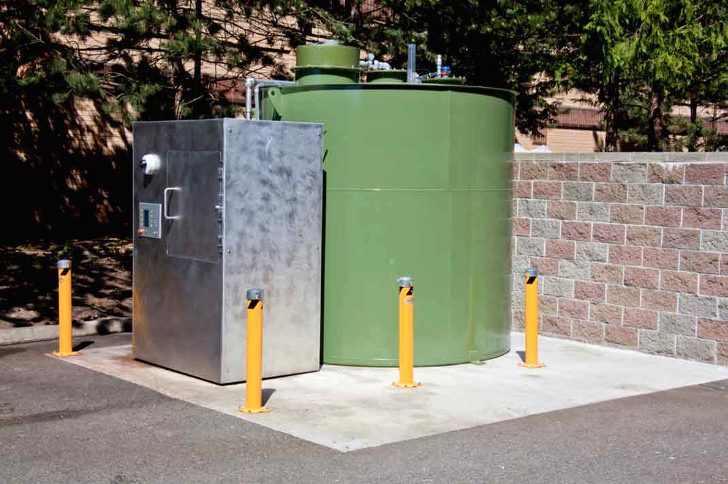
WISErg set out to solve a real problem, food waste rotting in
dumpsters behind grocery stores instead of becoming anything
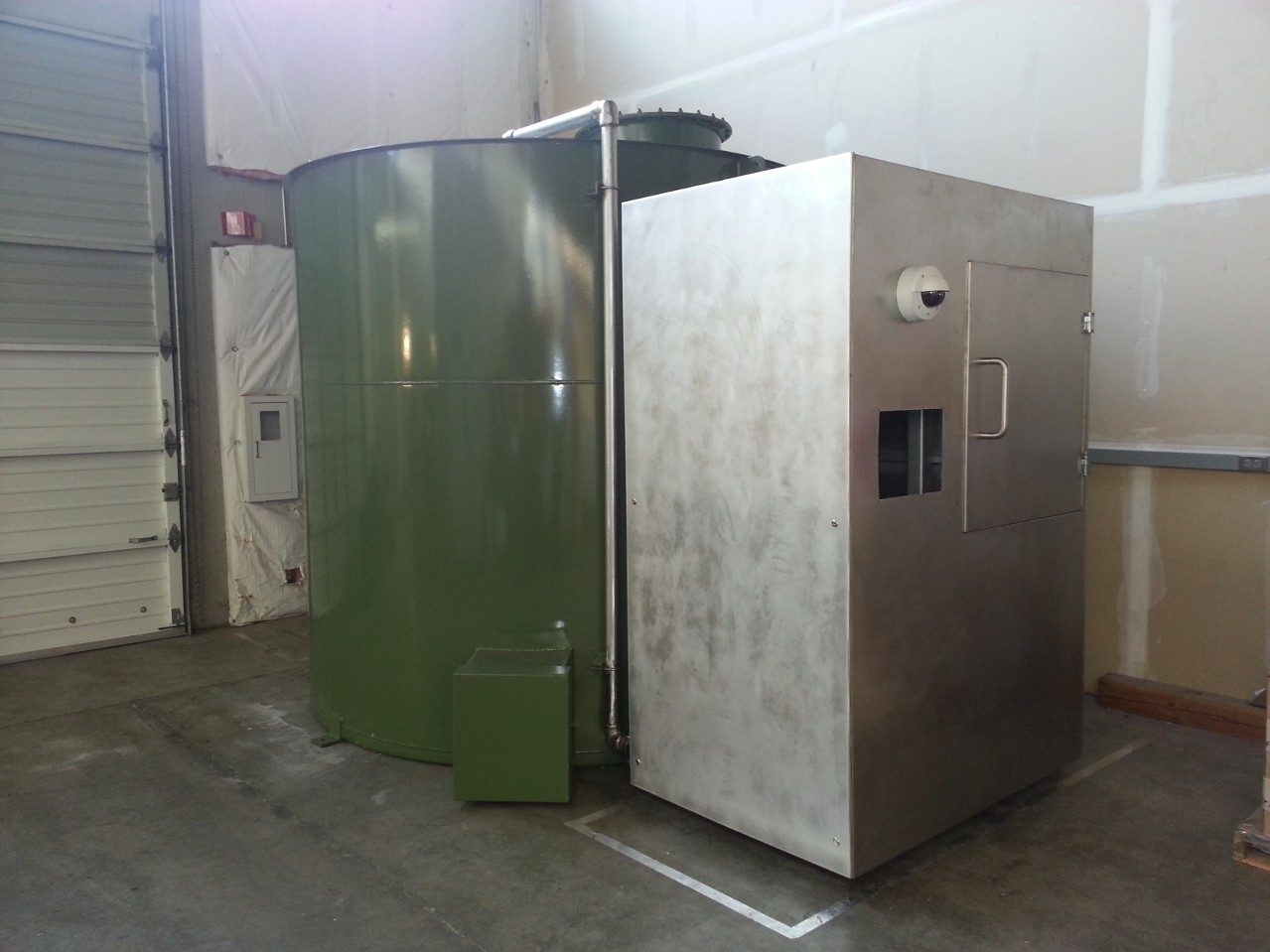
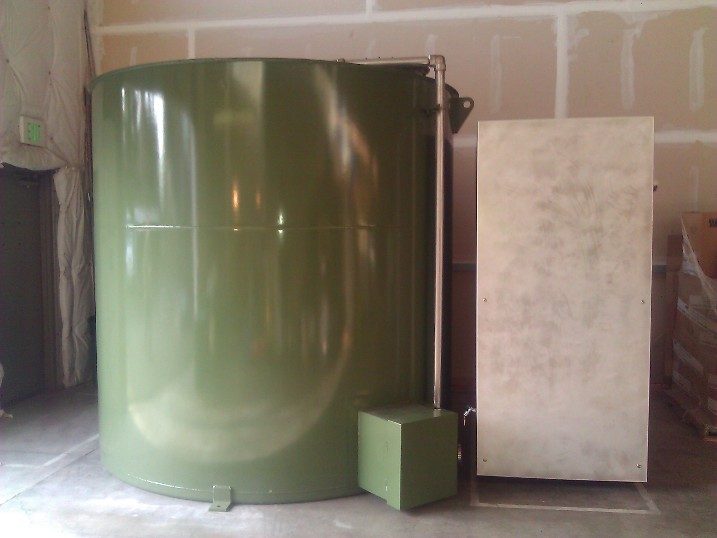
useful. The idea: bioreactors that replaced those dumpsters,
broke the waste down on-site immediately, and turned it into
premium grade organic fertilizer that went back out to farms to
grow more food. A closed loop, with real energy behind it and a
genuine shot at global impact if it worked. The financial upside
looked just as big as the mission. The opportunity felt
limitless, and so did the challenges in front of us.
In Over My Head
This was my first job as an engineer. I was a junior in college
with nobody above me, so the design, the manufacturing, and
every vendor fell on me. Nothing like it existed to copy, and
there was no one to ask. I was walking into rooms with
presidents of multimillion dollar companies at twenty, pitching
an unfinished product. They were skeptical of my age, but I
eventually won them over by admitting what I didn't know, asking
constant questions, and absorbing everything they taught me,
working their ideas straight into the design.
Making H2O Work
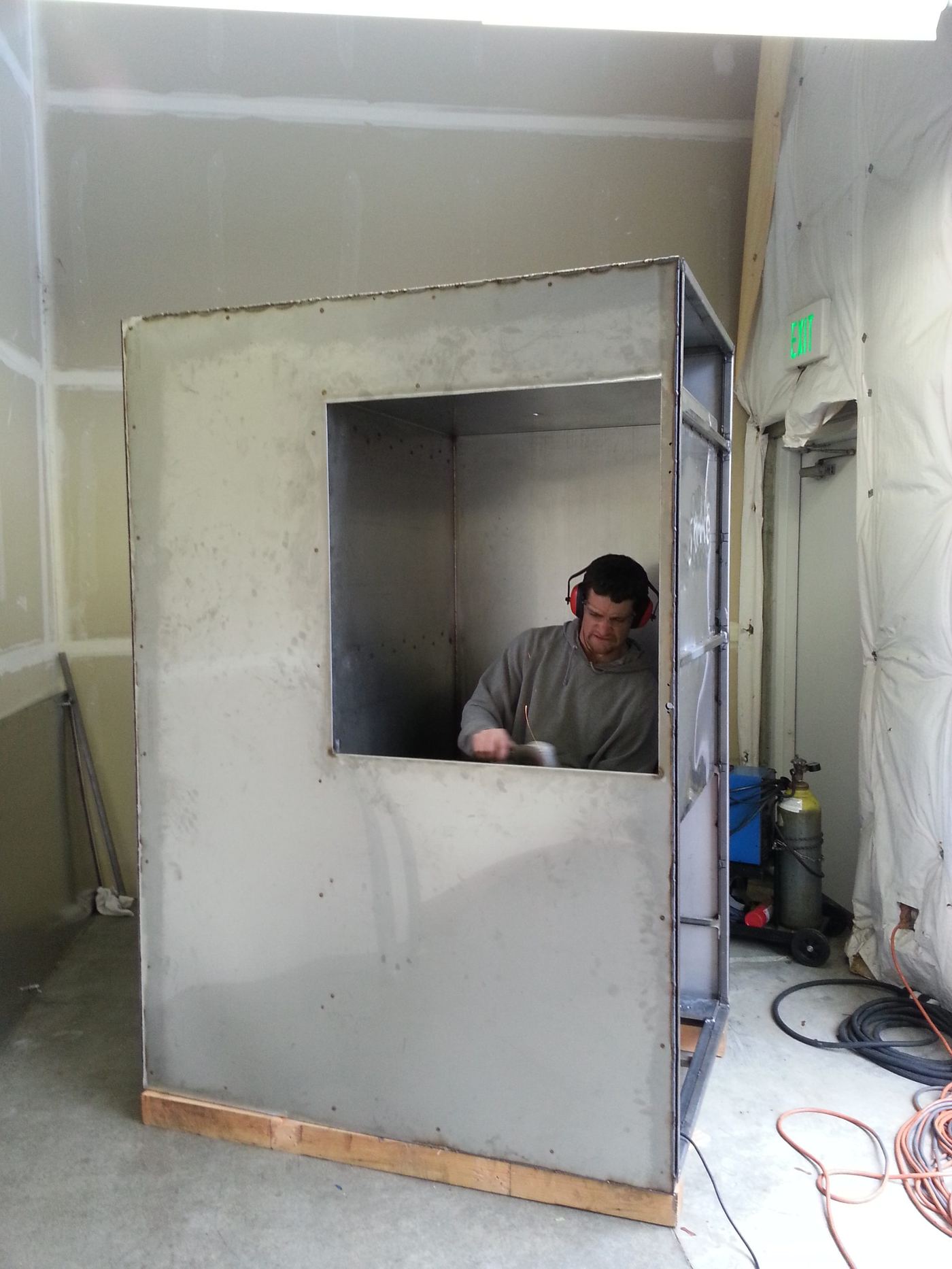
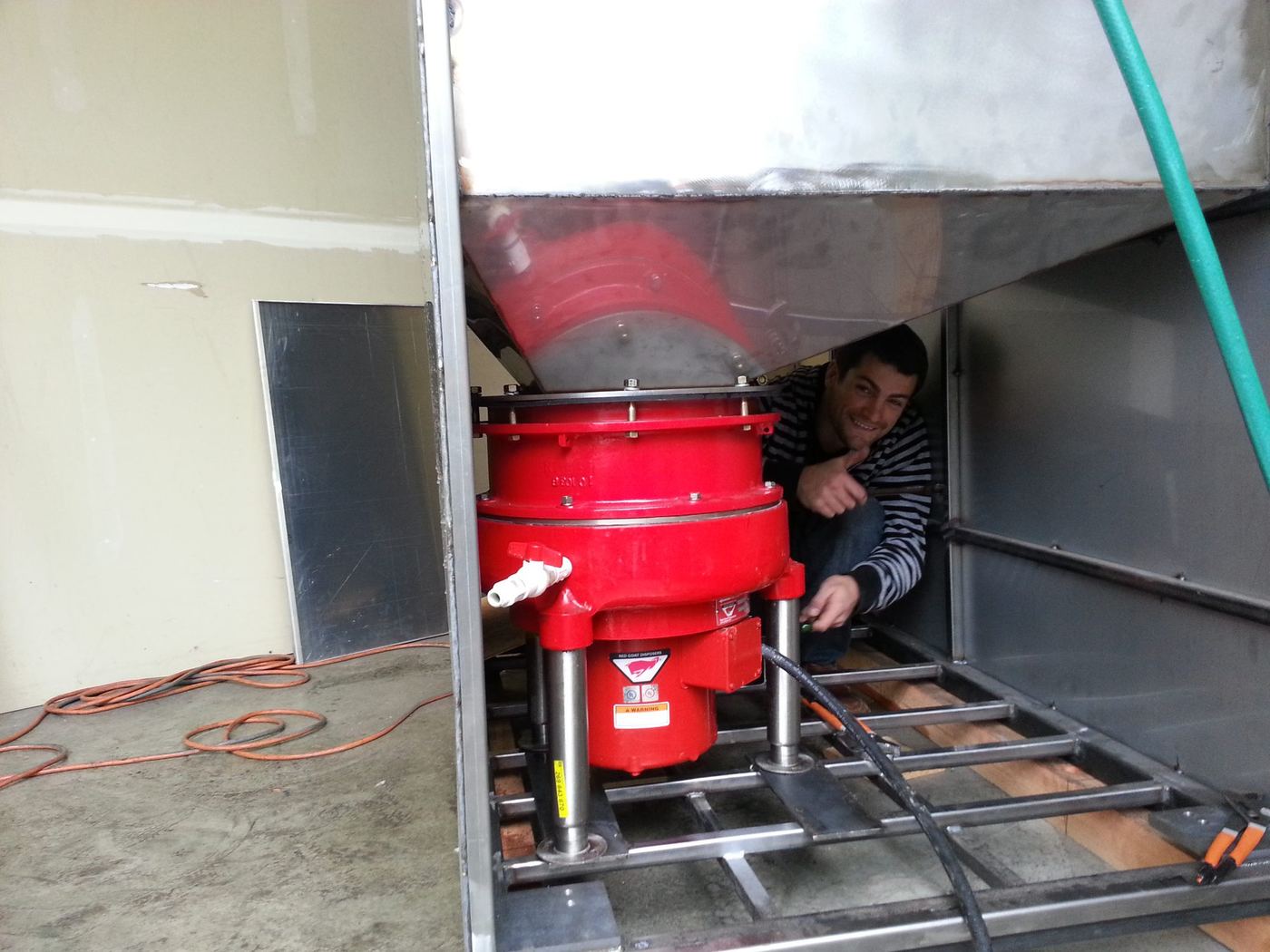
I did the early legwork on the second generation, but the
company wasn't confident building at that scale off a college
kid's drawings, so they brought in an outside engineering firm
while I went back to school. Three hundred thousand dollars
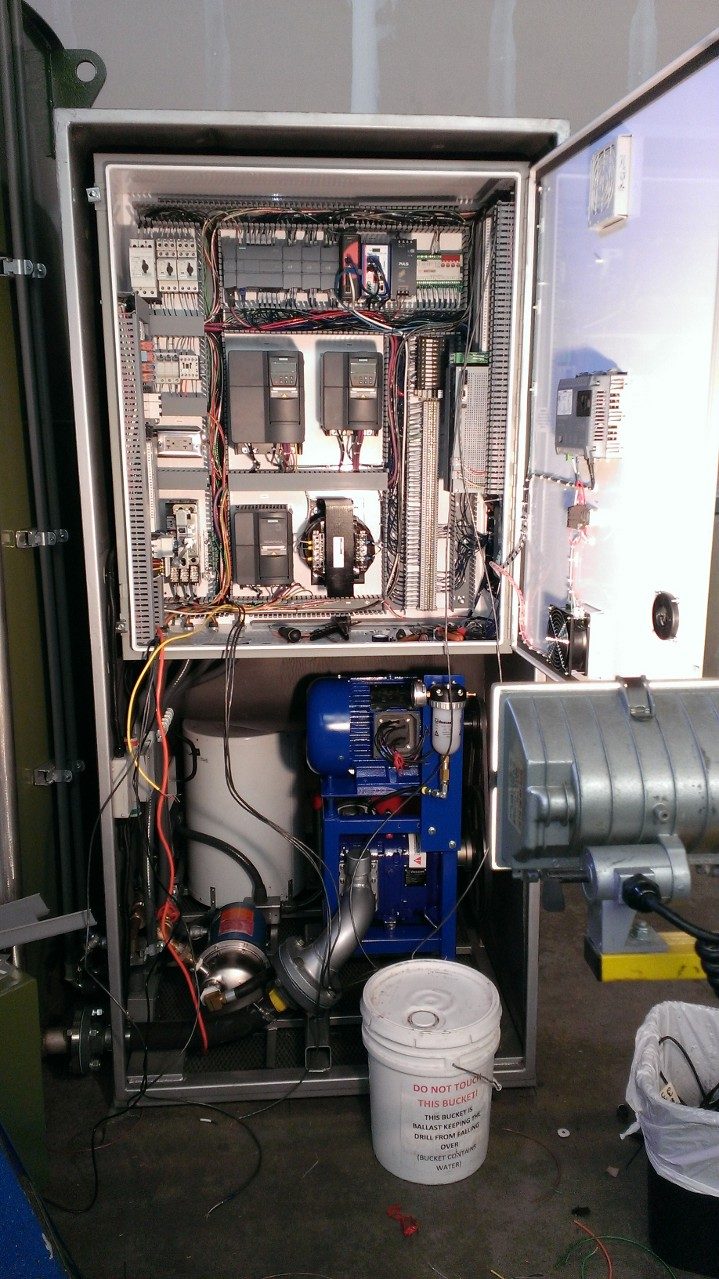
later we had a machine called H2O, impressive but full of
kinks. I came home that summer to sort them out, teaching
myself PLCs, sensor loops, and wiring alongside the programmer,
then helped install it and kept it running myself, nights
included, until it held up on its own.
Back at the Facility
Once H2O was running on its own, my focus shifted to what
happened after the machine finished breaking the waste down.
That was only half the job, the leachate still needed refining
into the actual organic fertilizer product, so I spent this
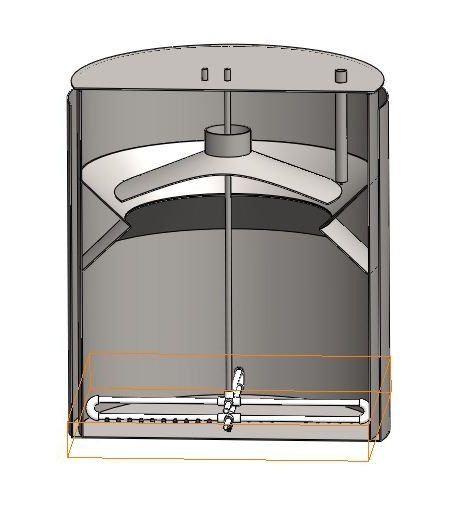
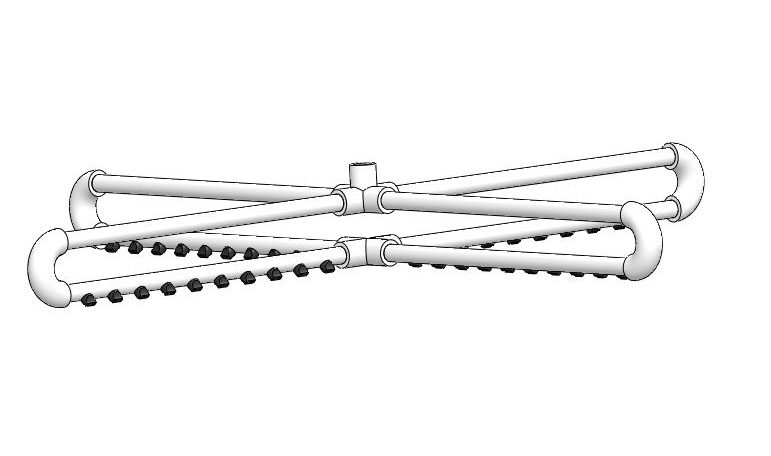
stretch on secondary process R&D, baffled reactors, upflow
reactors, whatever design got us there cleanest and fastest. I
built and ran smaller lab bioreactors to test each approach
before anything moved toward a full-scale unit.
Wherever We Needed It
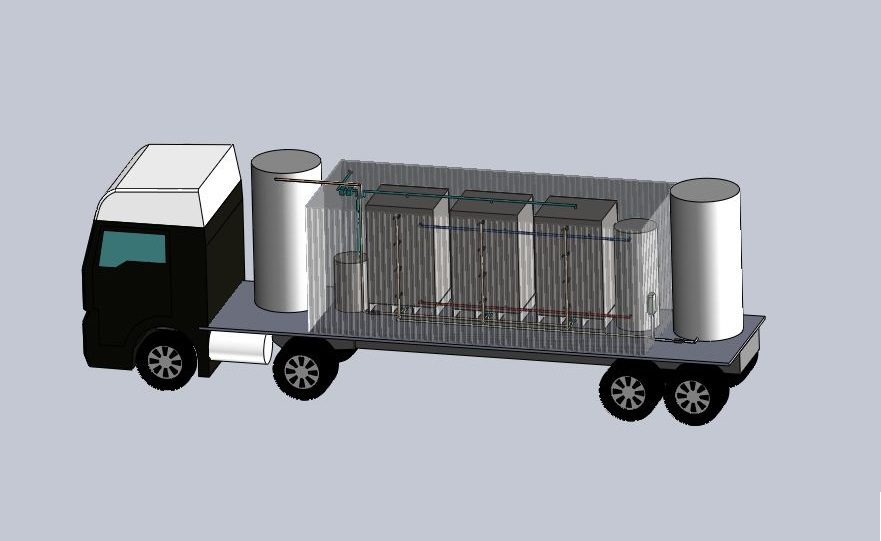
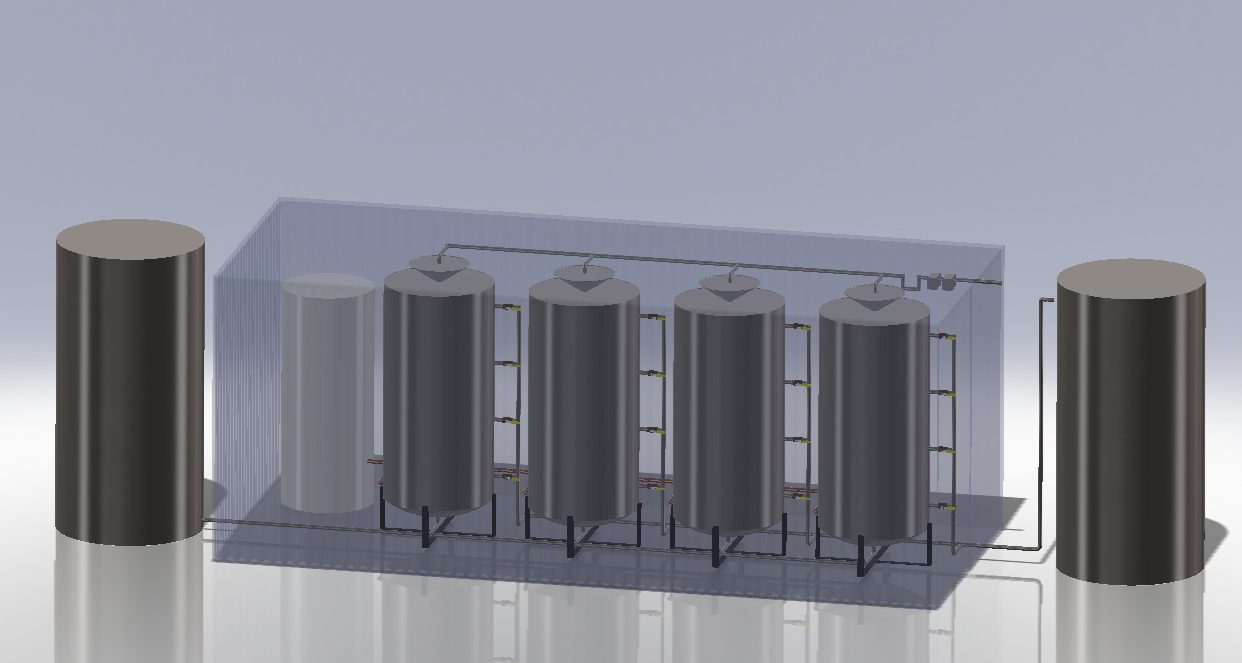
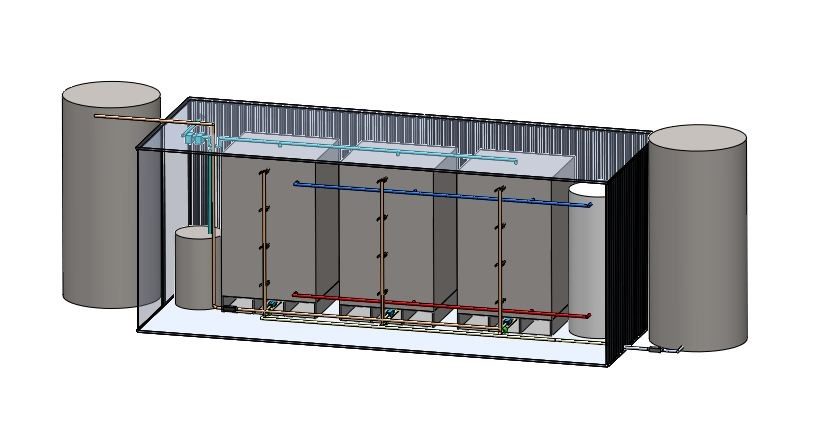
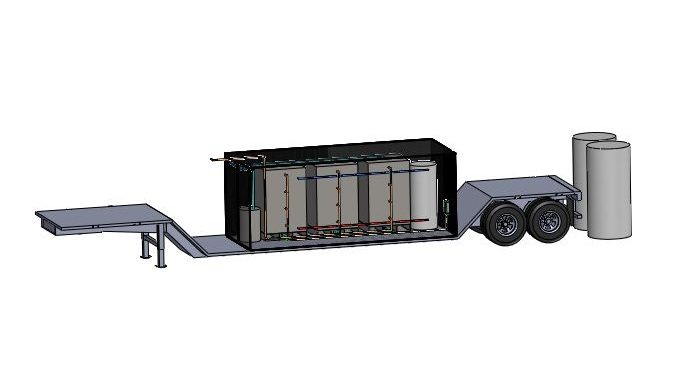
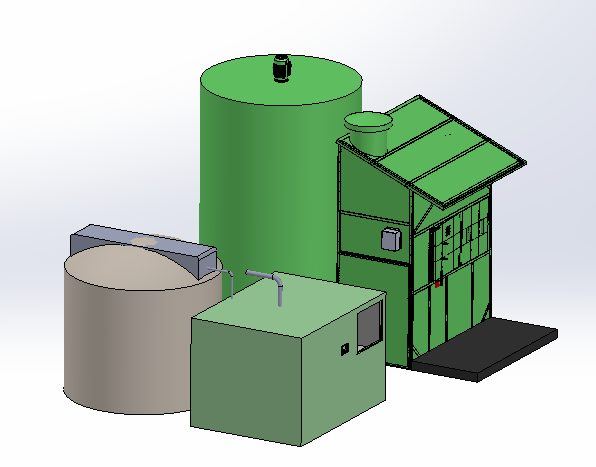
Part of my job became thinking past the Harvestor itself,
toward what a global company would actually need. I drew up
concepts for modular secondary processing stations,
trailer-based or built into shipping containers, that could
travel to wherever a cluster of units needed servicing instead
of building a fixed plant at every site. I worked directly with
my bosses to shape those concepts and with manufacturers to
pressure test them, and a lot of it came down to logistics,
when modular made more sense than fixed, and when it didn't.
Drawing Up What Came Next
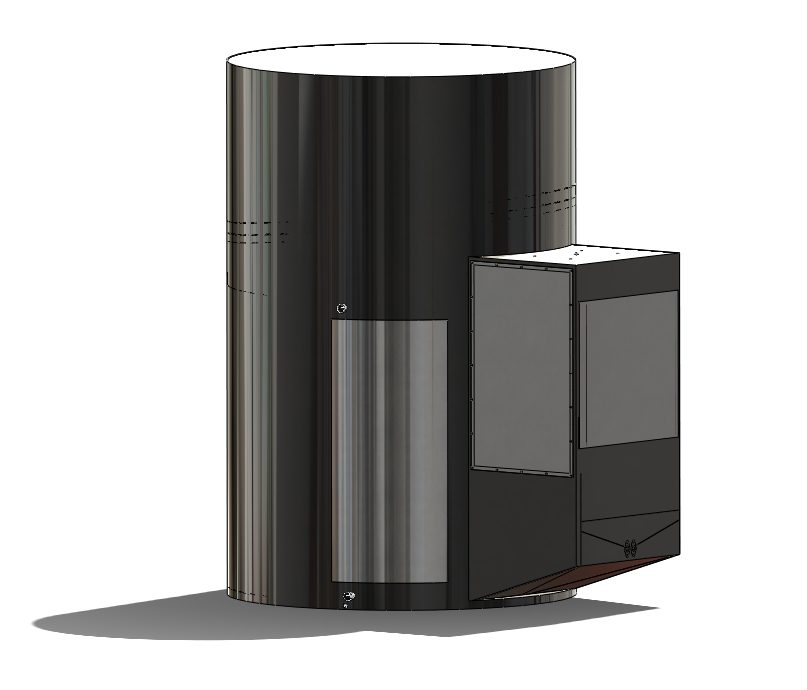
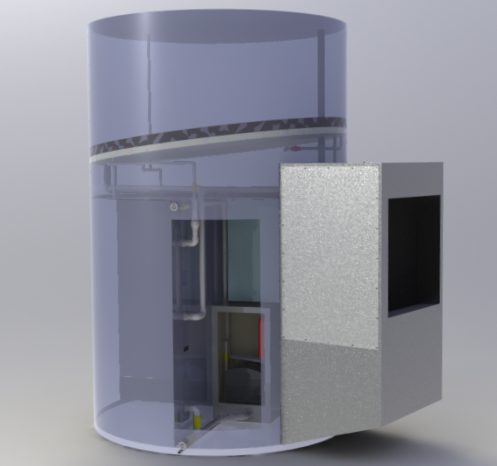
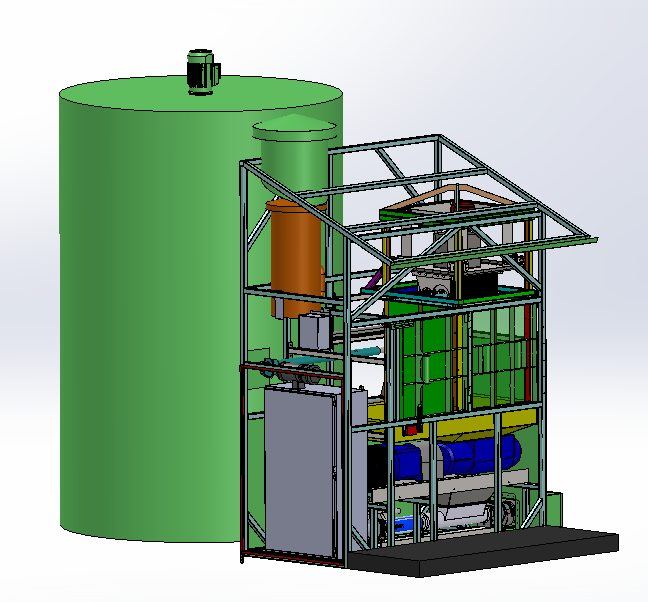
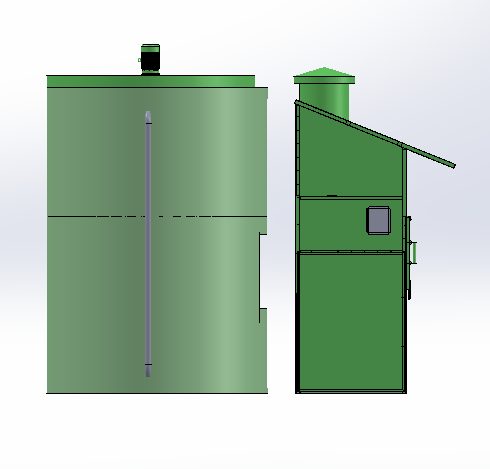
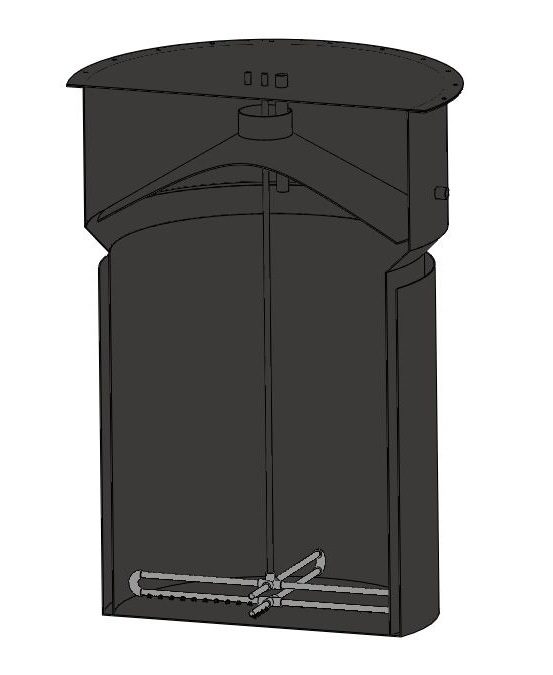
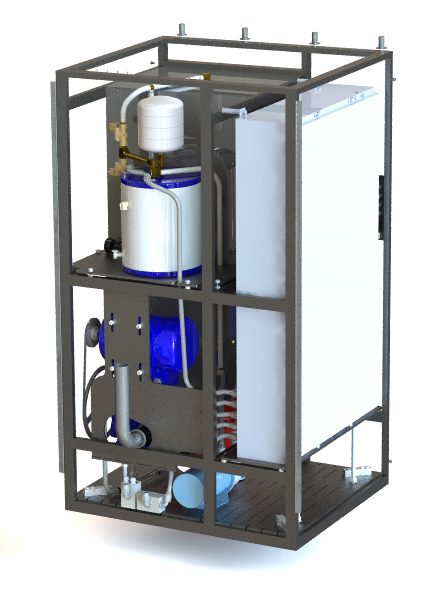
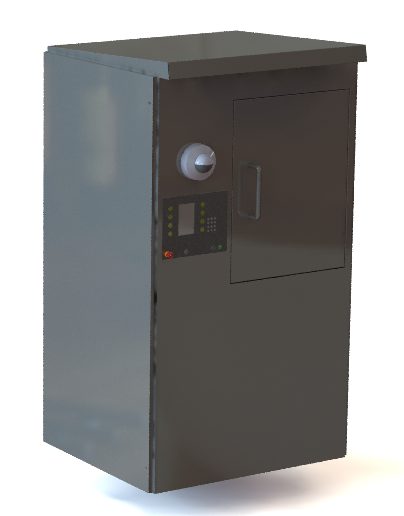
Once H2O was running, the next design started from everything we
had learned building it. We wanted something smaller, more
compact, and simpler than what came before. The earlier version
didn't fit everywhere it needed to. Cost and footprint became
the real targets, bringing the price down from three hundred
thousand dollars toward seventy thousand. We went through a lot
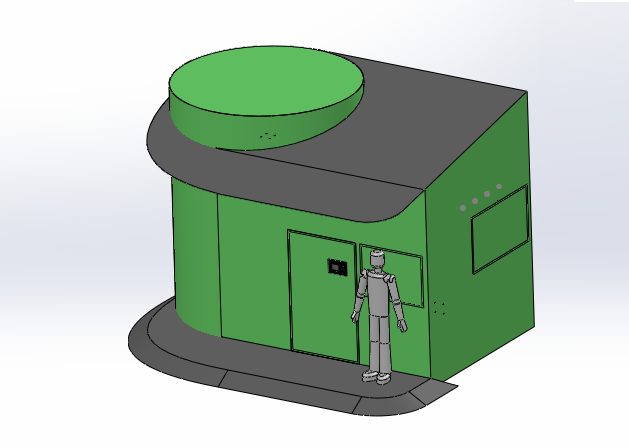
of iterations, playing with modularity. Looks were a real
consideration too, since these units sit in visible spots.
Eventually we landed on a final design.
Building the Third Generation
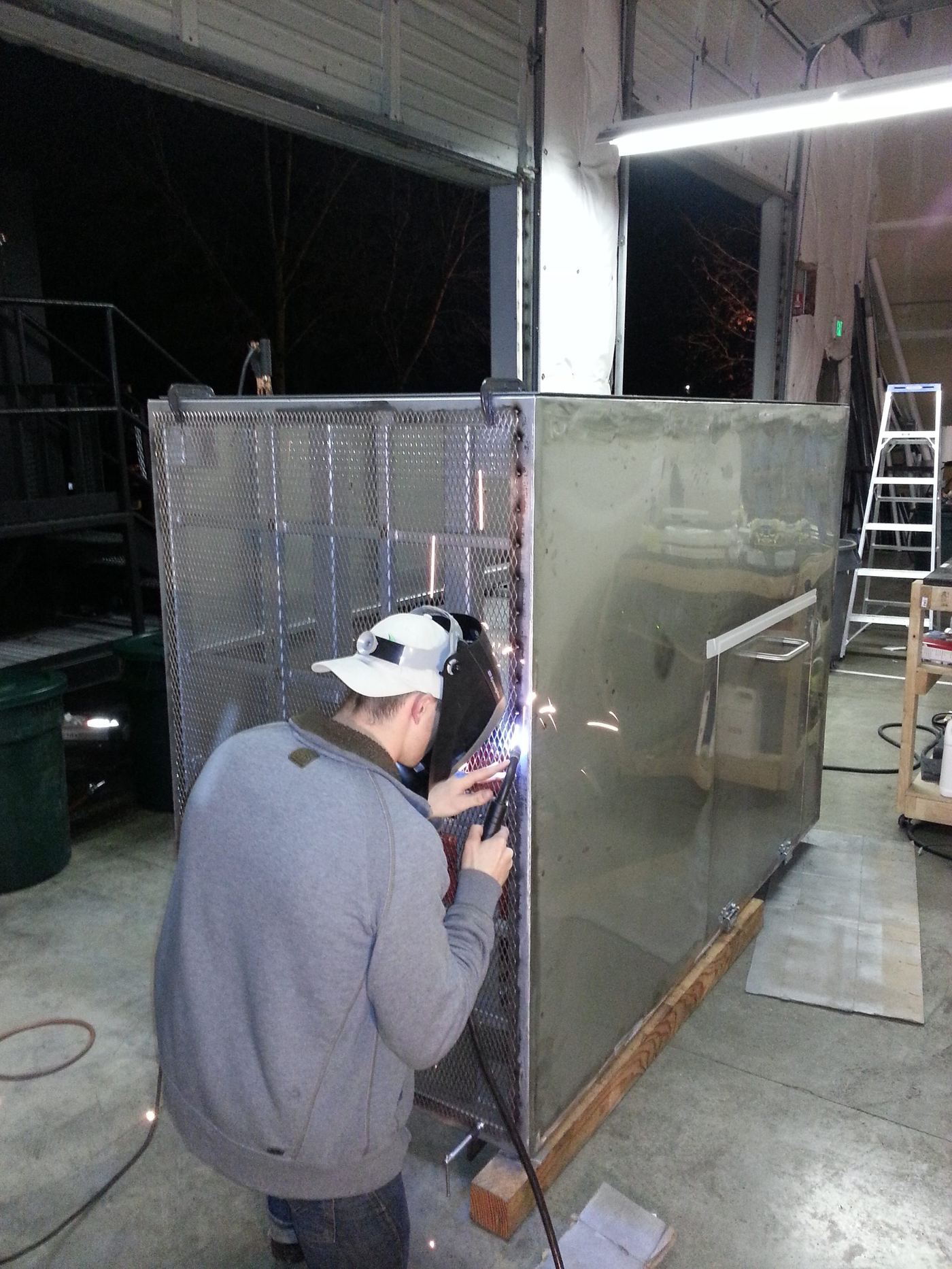
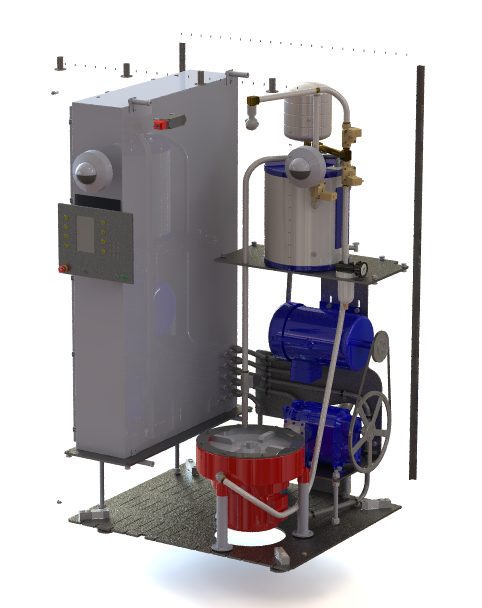
The business only worked if a unit could be built for well
under a hundred thousand dollars, and the three hundred
thousand dollar version proved that the wrong way. I took full
lead on the third generation and rebuilt it from the ground up,
cutting it down to far fewer components and landing around
seventy thousand dollars all in. That's the version WISErg took
to final production and kept making, and years later an outside
engineering firm reviewed it and could barely find anything
worth changing.
Getting It Out the Door
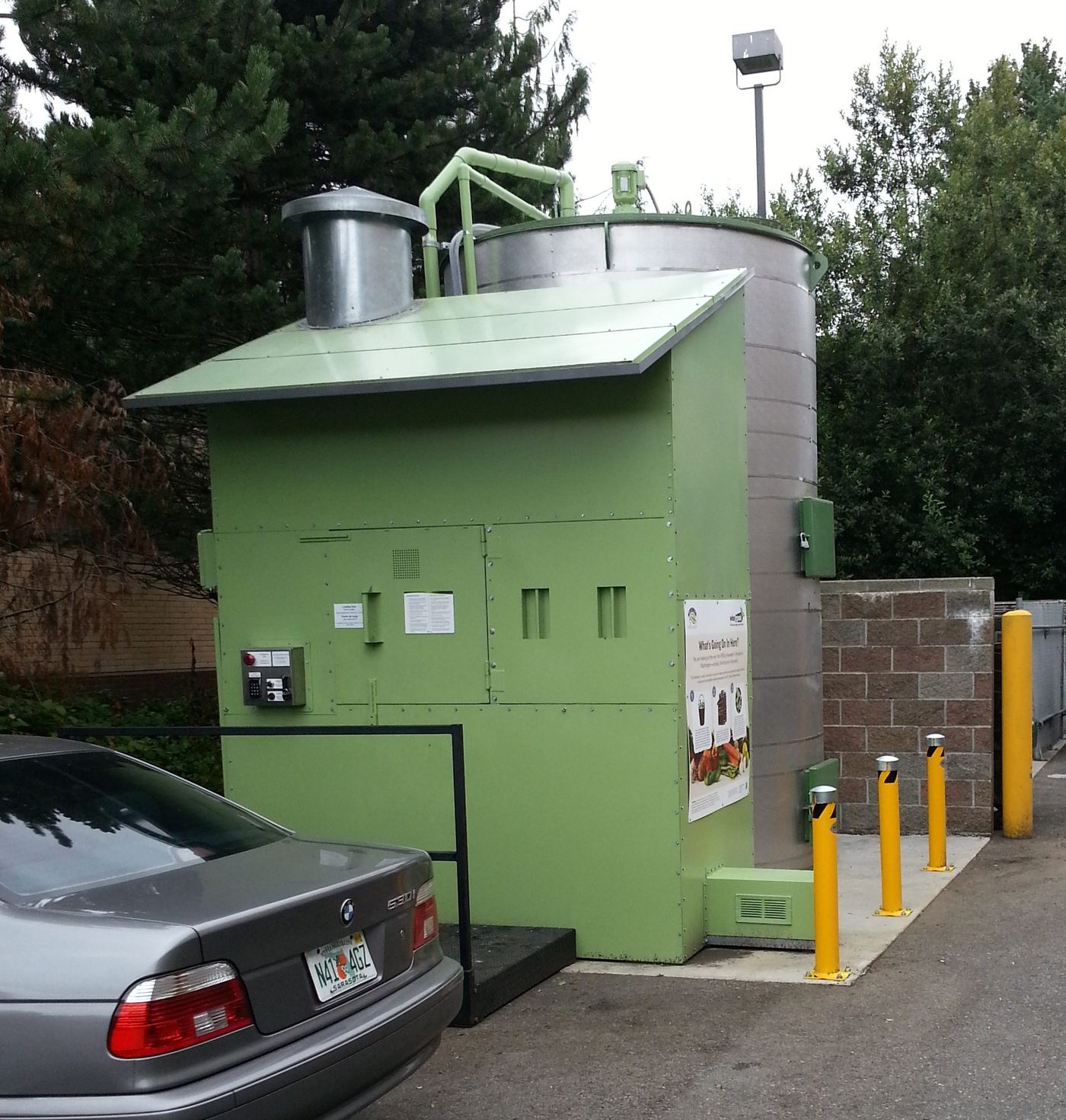
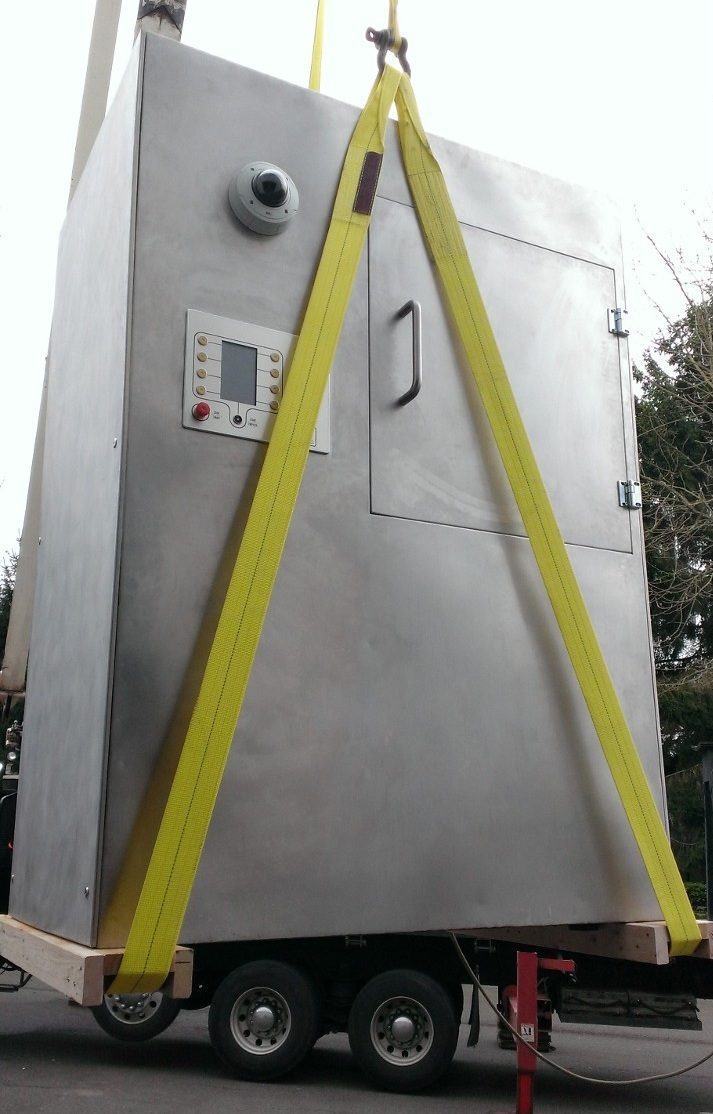
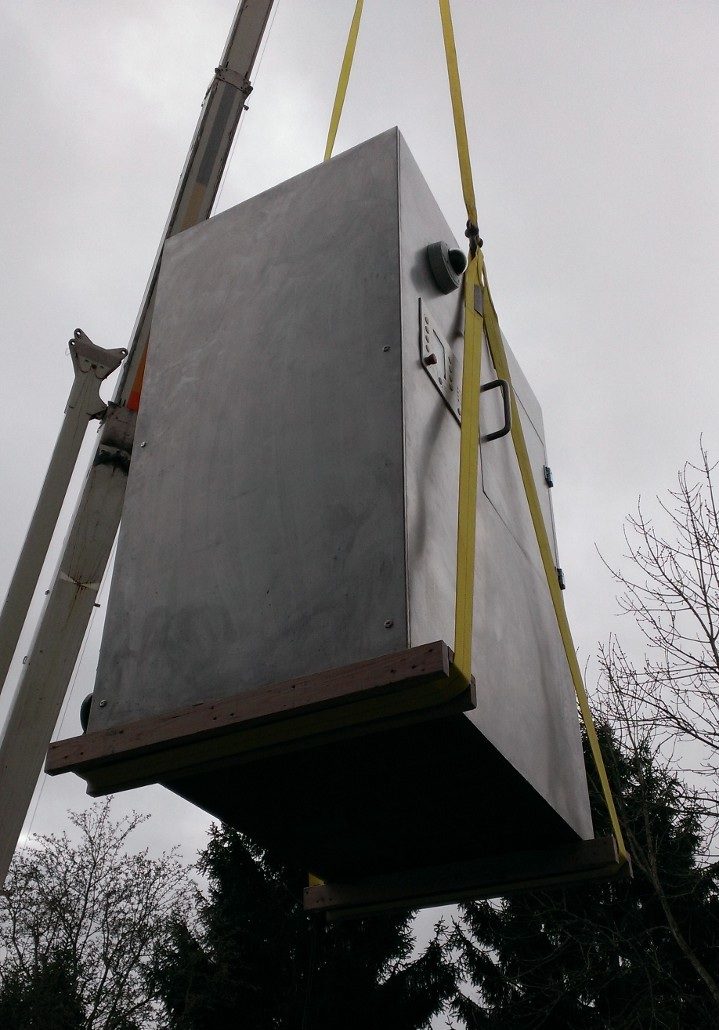
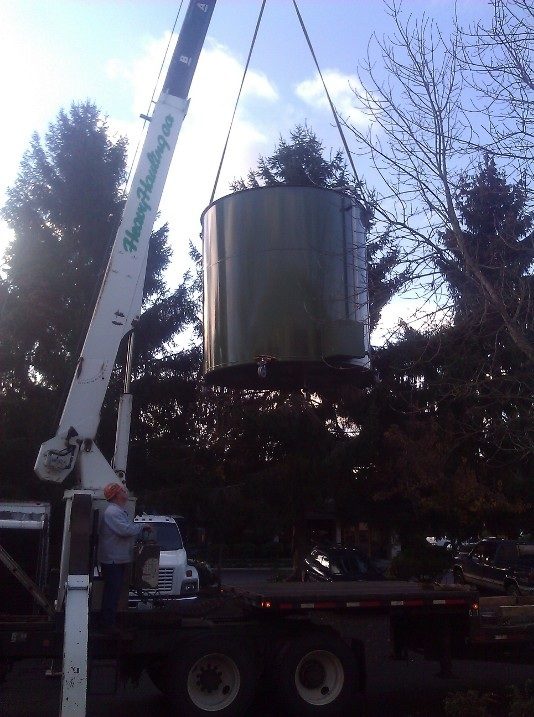
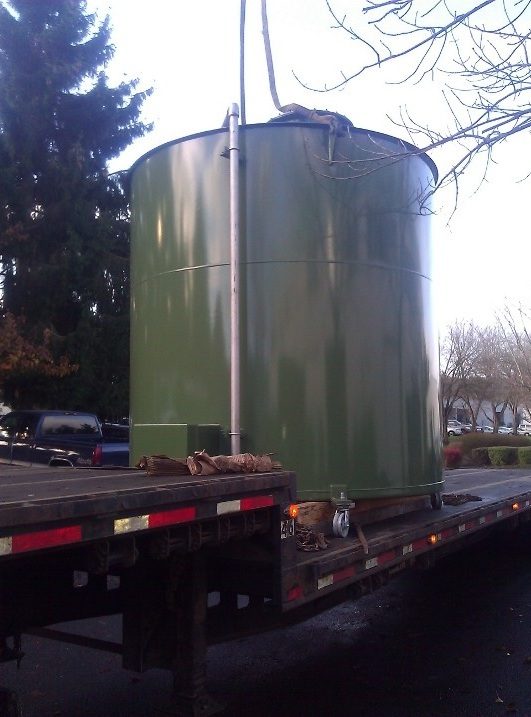
These weren't small installs. The units were massive, so every
delivery meant oversized load trucks and crane coordination, and
we'd do pre-runs with the drivers to make sure the route and the
turns actually worked. Then we'd block off the lot with cones
before the store opened for the day. Grocery lots are tight and
busy, and setting a machine that size into a corner behind a
building without shutting the store down took more planning than
the drive did.
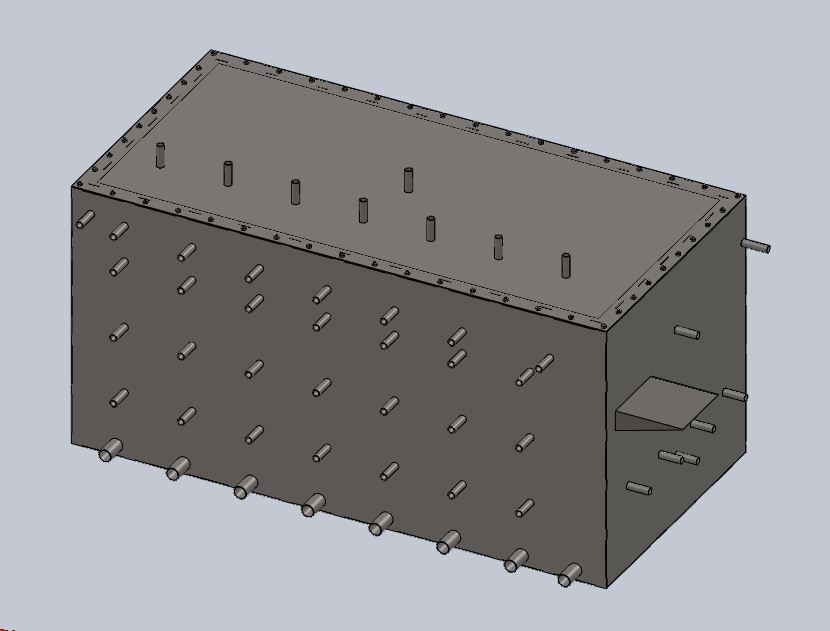
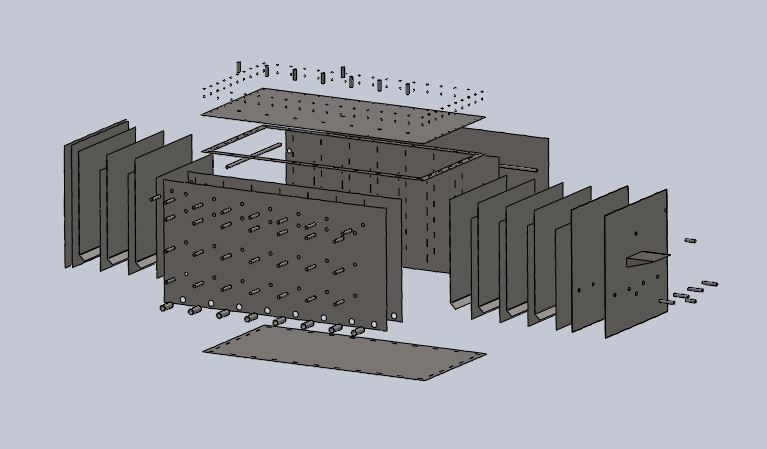
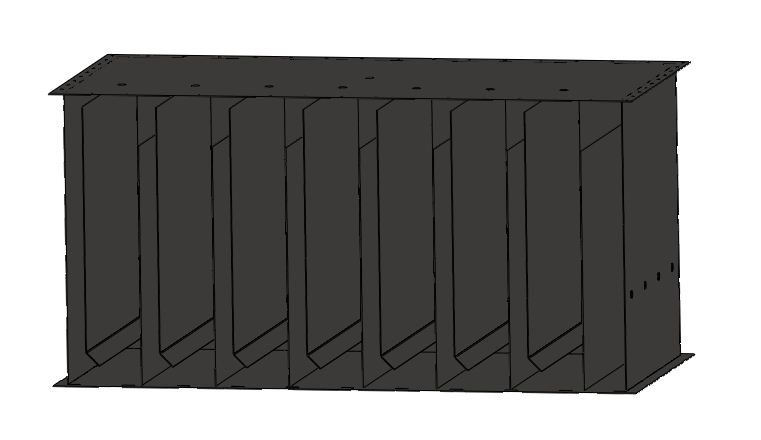
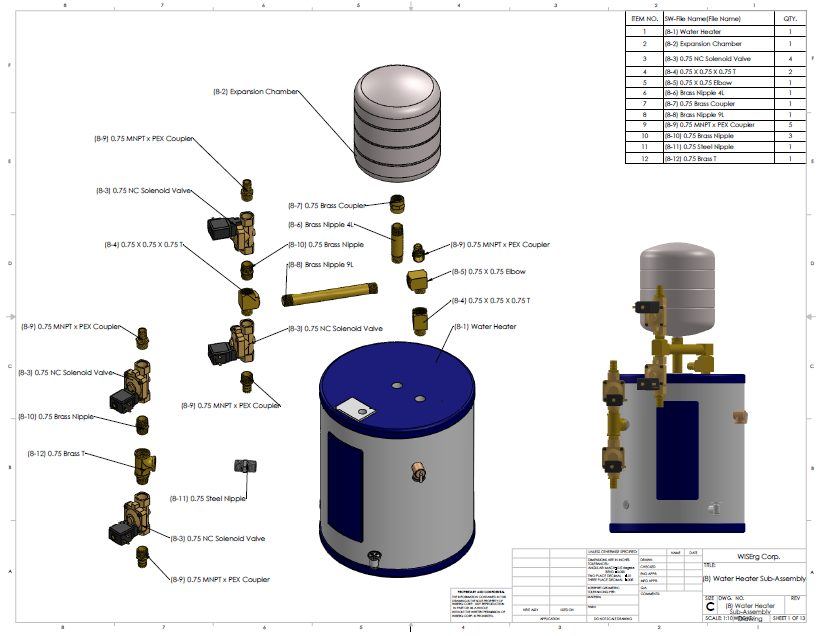
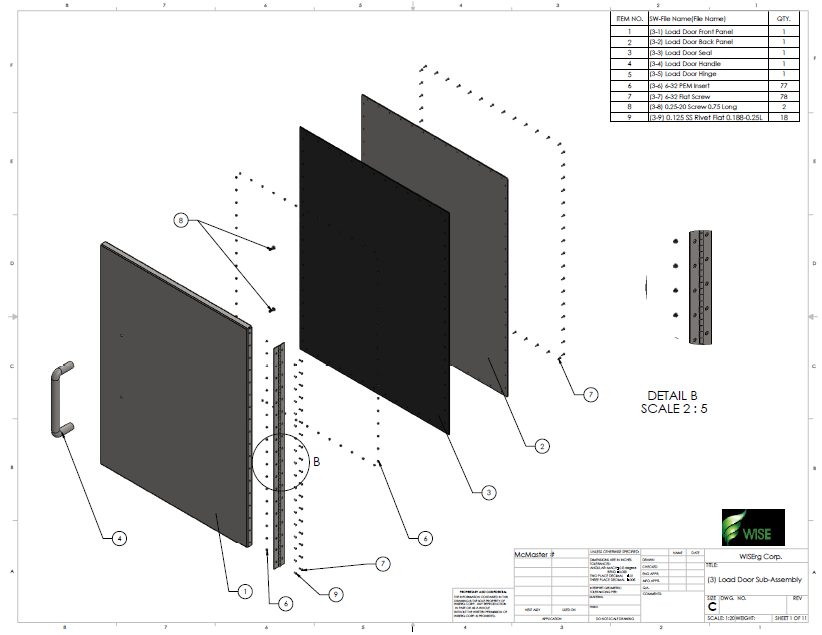
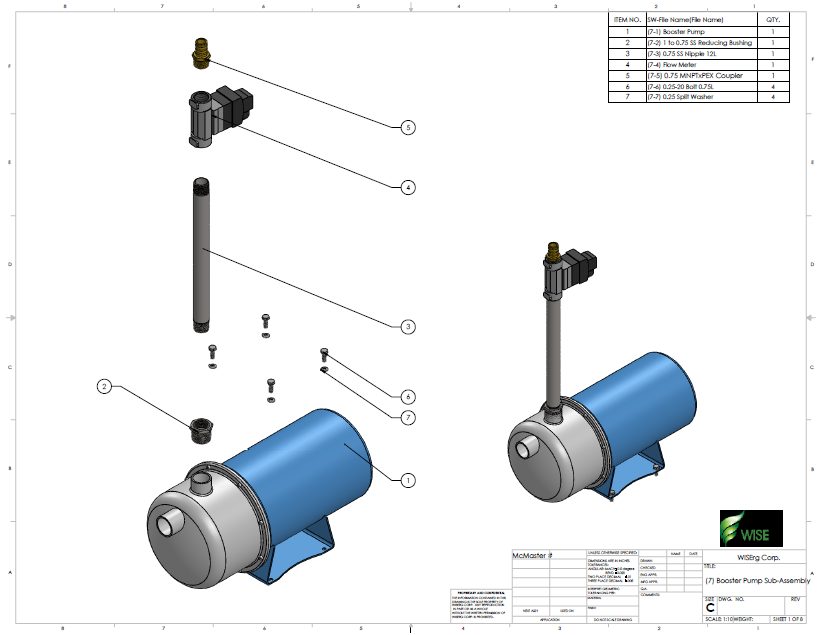
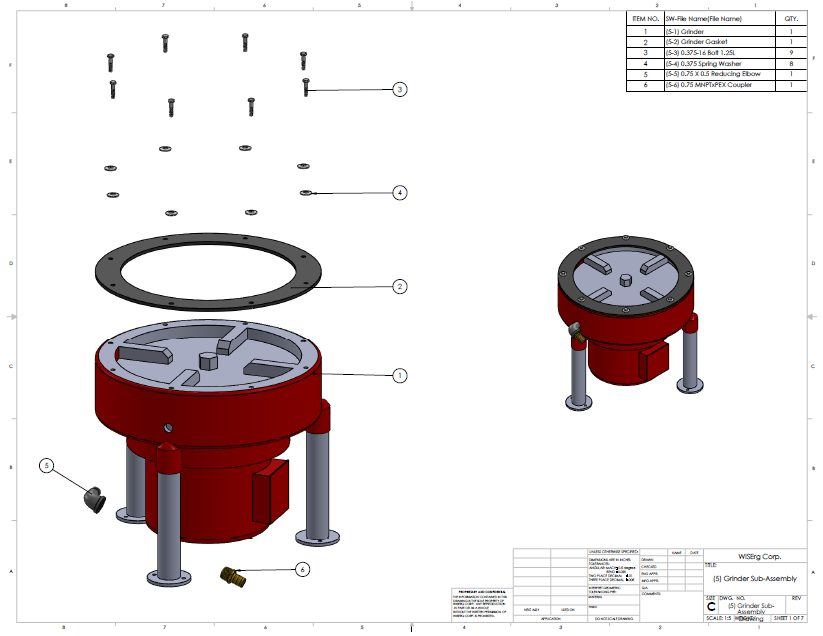
Packaging It Up
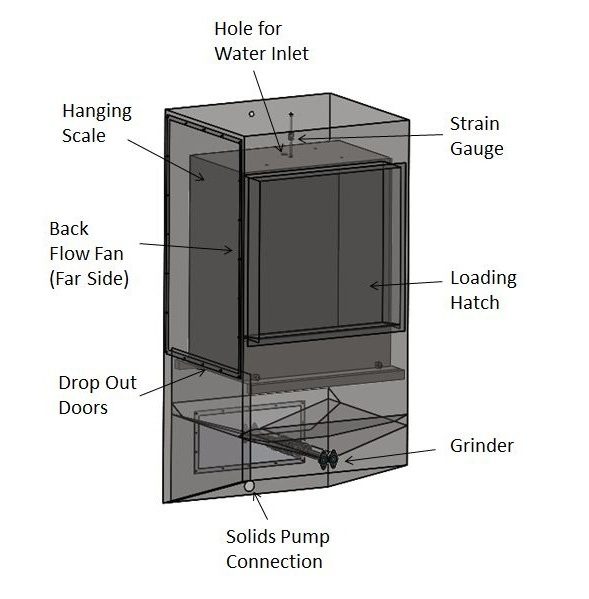
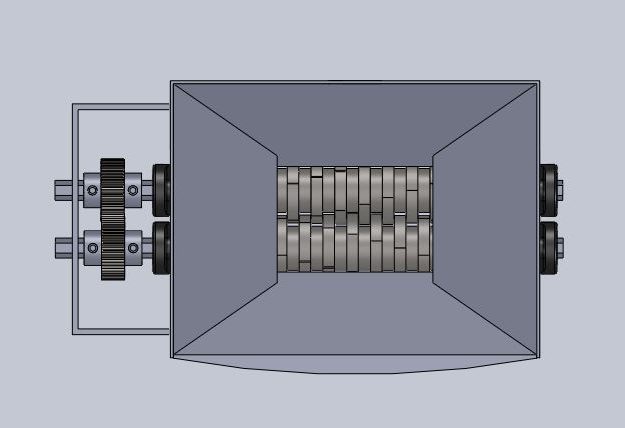
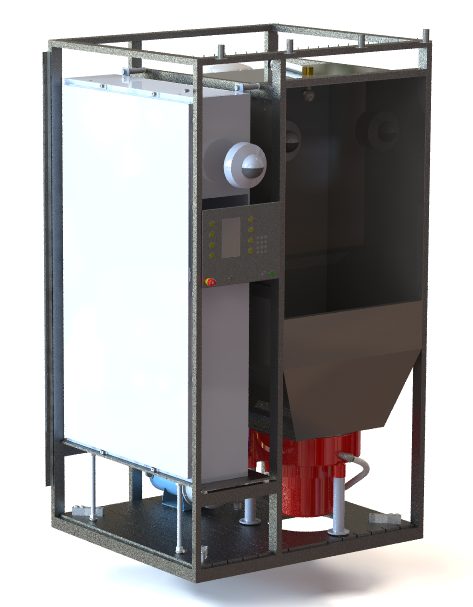
By the time H3O was running well, it had left H2O behind on
every front: a better product, a smoother experience for the
customer, and a machine that rarely asked anything of us. With
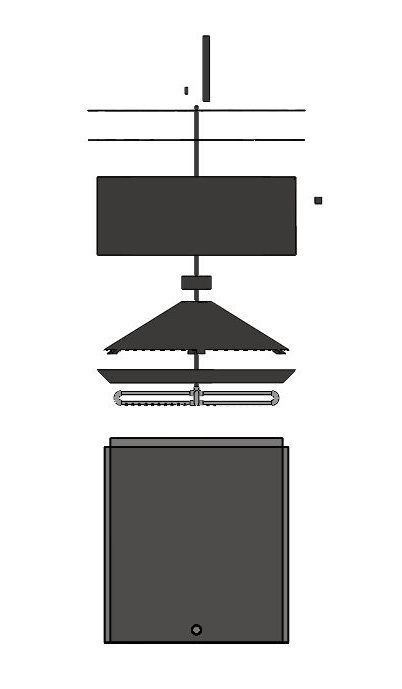
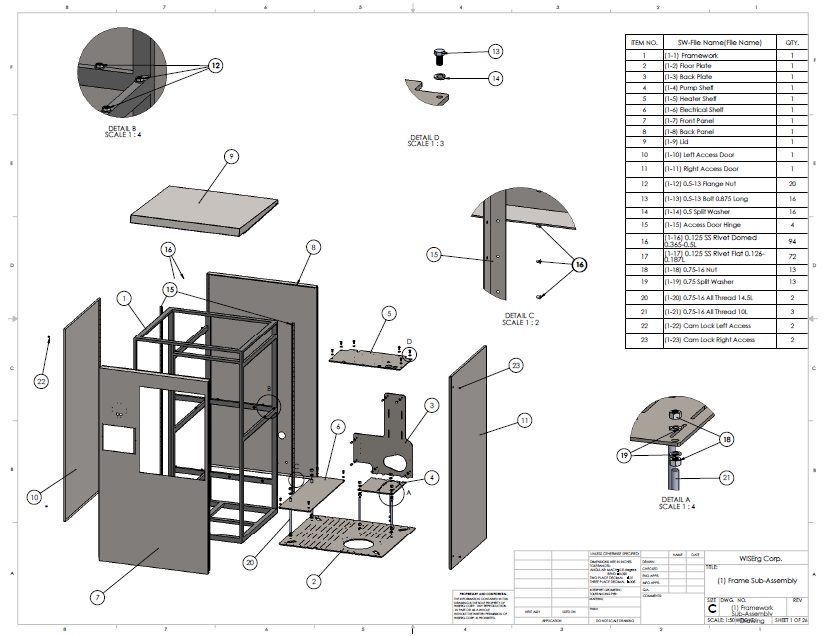
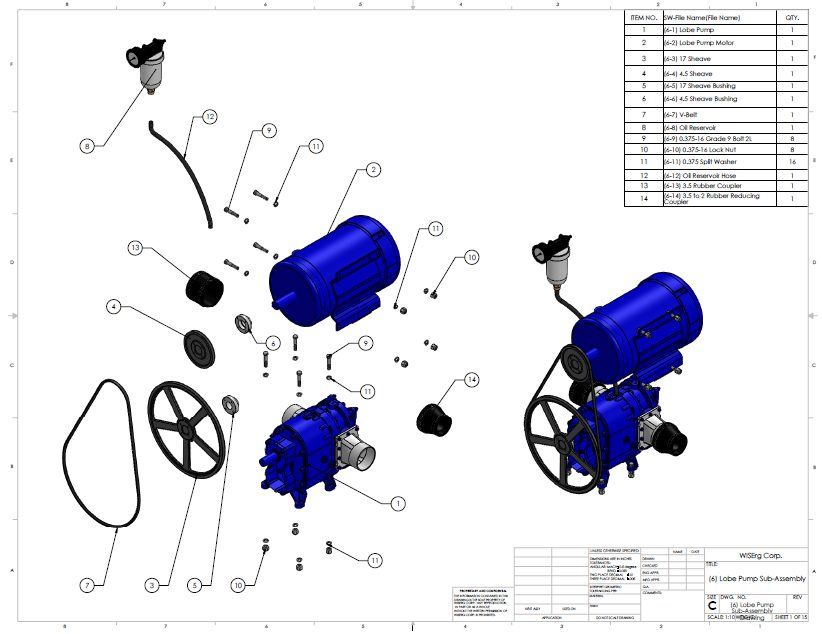
the design locked into its final form, I put together a clean,
complete RFQ and shopped it to a handful of shops until we found
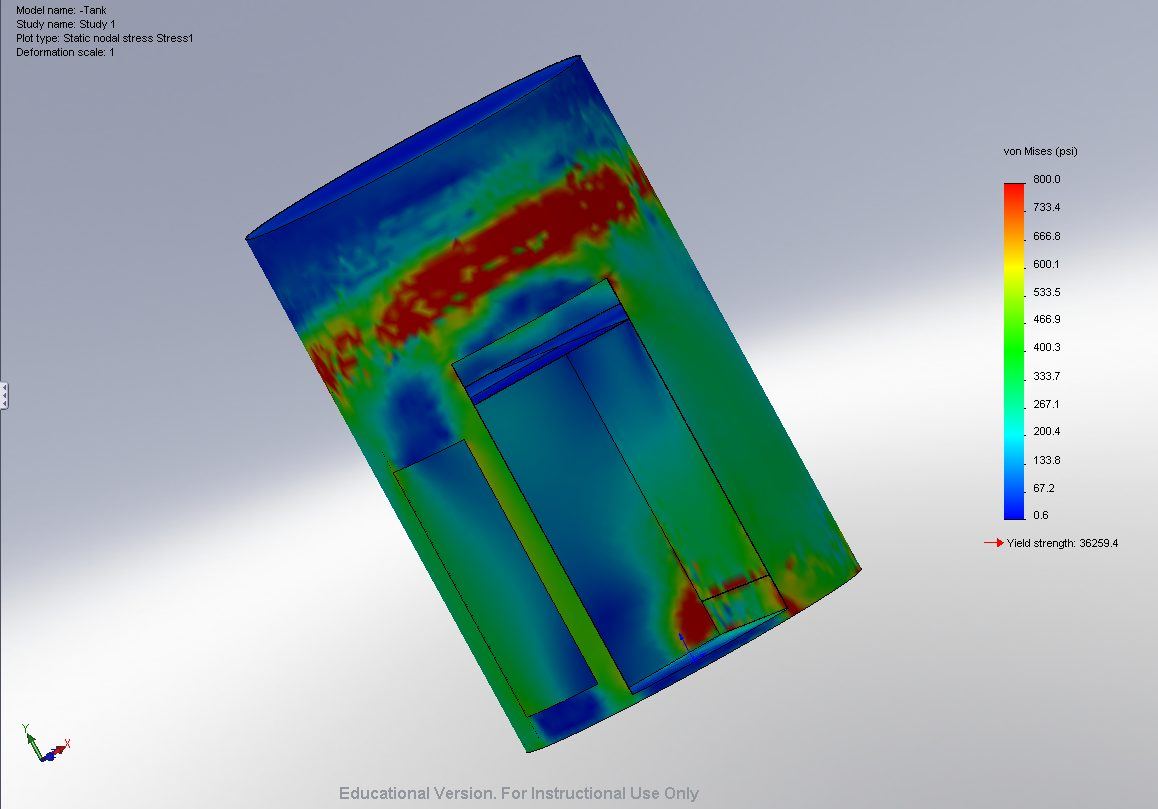
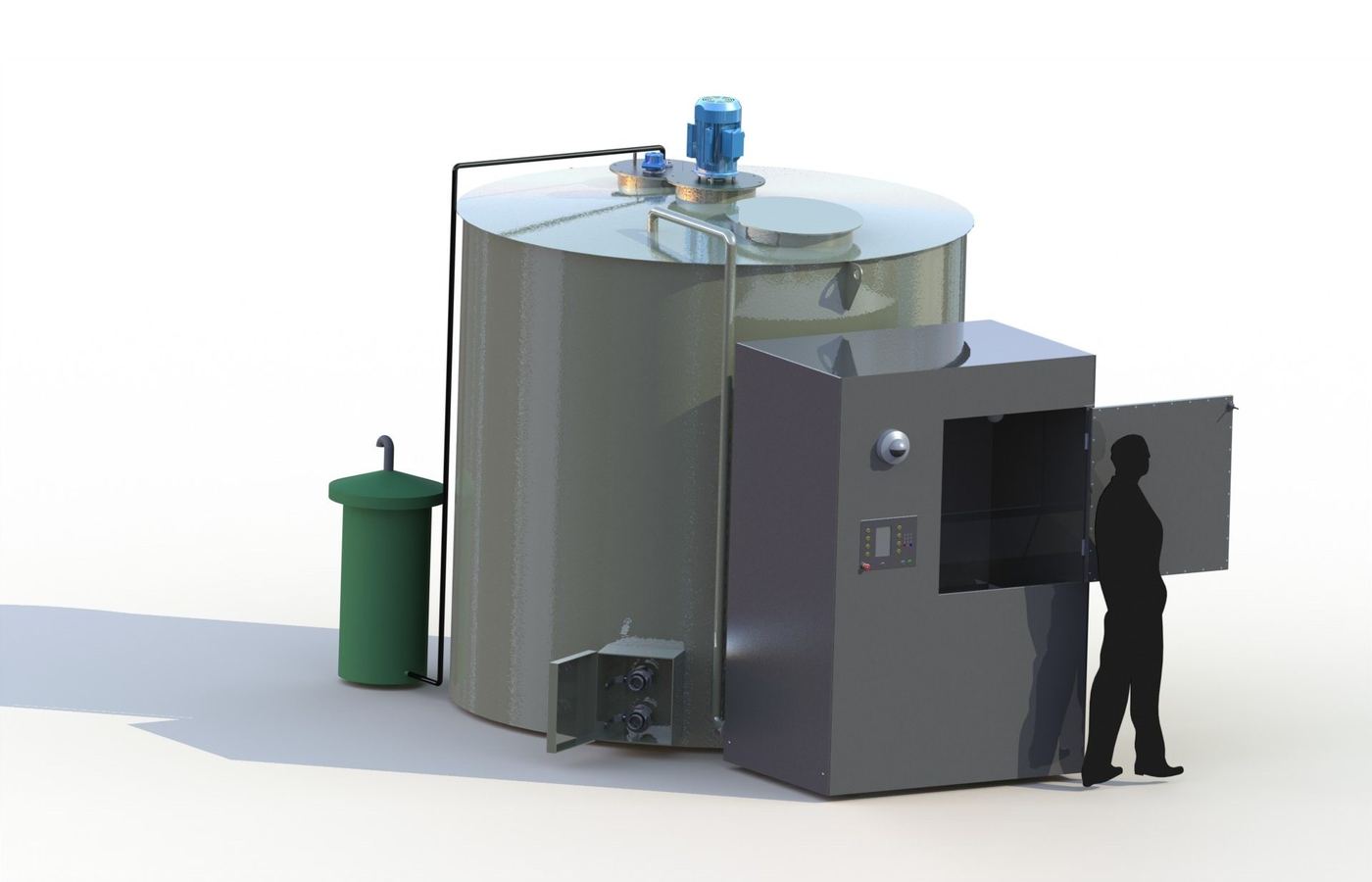
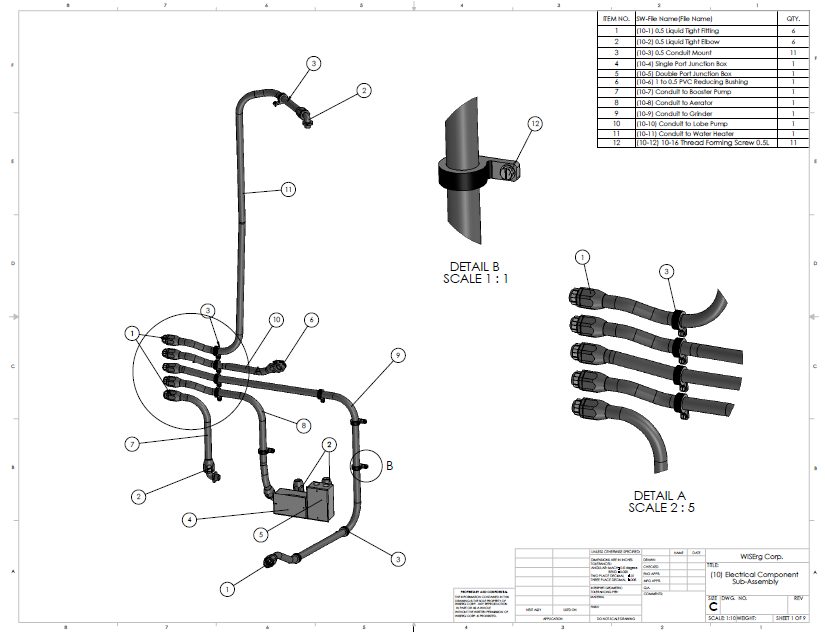
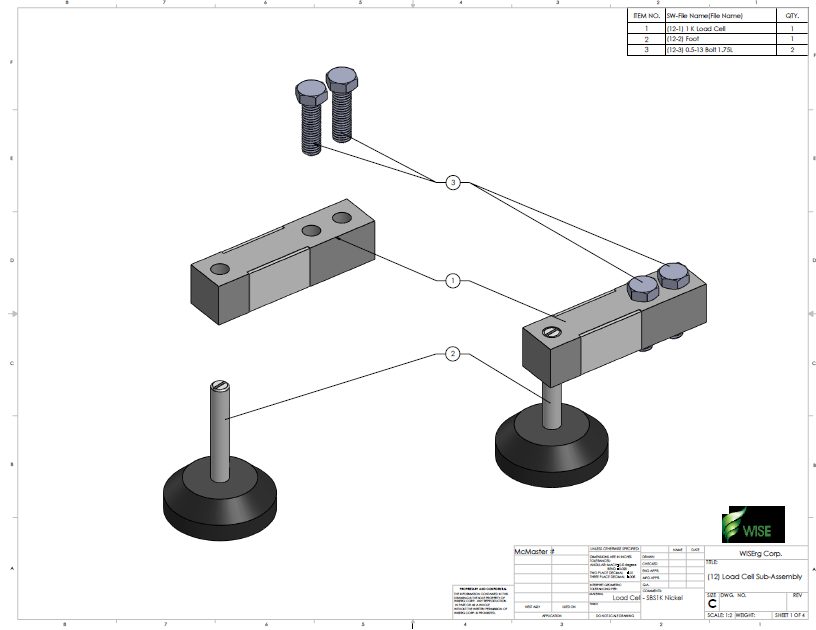
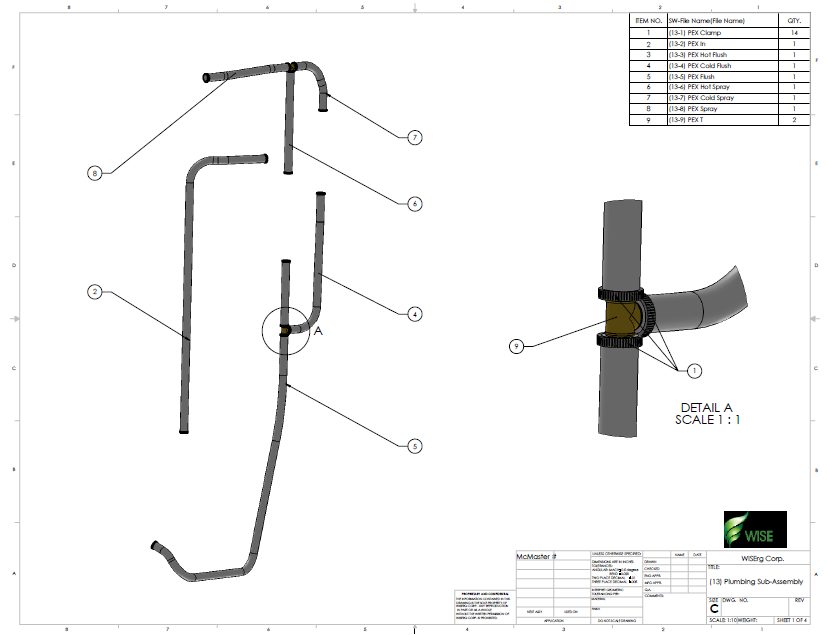
the partner who'd build it for years to come. Here's a look at
that package.
WISErg is where I first carried real weight. I'd been led to
believe I was one of the larger equity holders, and I worked
brutal hours for little pay because of it. When I finally asked
to see the cap table, the founders refused, so I left. I later
learned I'd been taken advantage of because of how green I was.
I don't regret working there. What I built and learned shaped
how I've approached every partnership since, and every partner
and employee-owner I've brought in has seen the numbers, no
exceptions.